Surat Shopping Savings Calculator
Planning a trip to the Silk City? Use this tool to estimate how much you can save by buying directly from the source. Enter your desired quantities and current local prices to see the projected savings.
*Bulk discount applies over 10m
*High variance based on quality
*Certification costs extra
Estimated Total Cost in Surat
Based on average wholesale/source pricing adjusted for tourist bulk rates.
Estimated Total Cost Locally
Based on your entered local retail prices.
Note: These are estimates. Actual prices vary by negotiation skills, quality selection, and specific market zones (Ring Road vs Majura Gate). Always inspect goods before purchase.
You’ve heard the rumors. People fly across oceans just to walk through the Surat marketplaces, lugging back suitcases that look like they’re about to burst at the seams. But what exactly are they bringing home? Is it really cheaper than your local high street, or is it a trap for the unprepared?
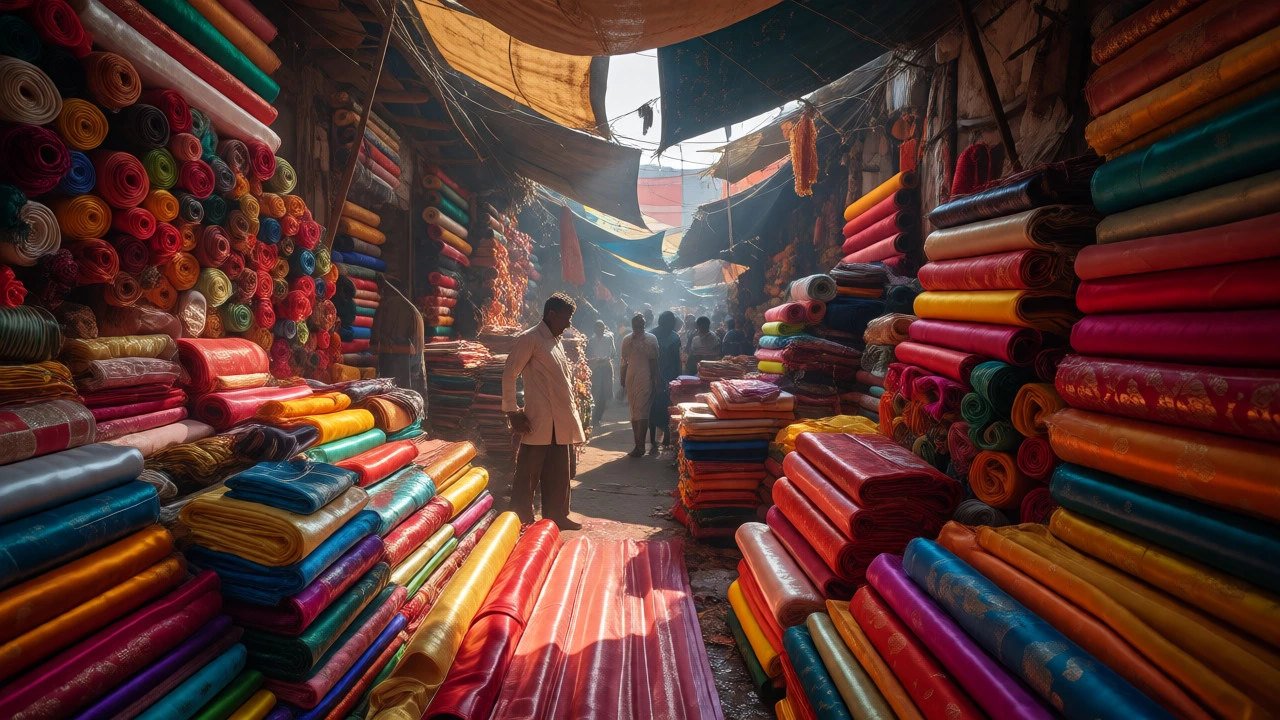
Here’s the reality: Surat isn’t just a city; it’s the beating heart of India’s textile industry. Known globally as the "Silk City" and the diamond cutting capital, its real magic lies in its looms. If you’re looking to buy clothes, fabrics, or even industrial materials, this place offers variety and pricing that few other cities can match. But without a map, you’ll get lost in a sea of synthetic blends and overpriced souvenirs.
Why Surat Dominates the Global Fabric Market
Before you start haggling, you need to understand why this specific location matters. Surat produces roughly 15% of the world’s man-made fibers. That’s not a typo. When you buy a polyester blend here, you aren’t buying an import; you’re buying at the source. The proximity to manufacturing units means supply chains are short, overheads are low, and prices drop significantly compared to retail hubs like Mumbai or Delhi.
The city operates on a massive scale. From tiny family-run shops in the old lanes to sprawling complexes in the new districts, the infrastructure is built for volume. This creates a unique dynamic where quality varies wildly depending on which zone you visit. Knowing where to go is half the battle won.
The Big Three: What You Should Actually Buy
If you only have time for three things, make them count. These are the categories where Surat genuinely outperforms global competitors in terms of price-to-quality ratio.
1. Synthetic Fabrics and Blends
This is Surat’s crown jewel. While India is famous for cotton and silk, Surat has cornered the market on synthetics. Polyester, nylon, and viscose rayon are produced here in staggering quantities. You can find rolls of high-grade polyester fabric for less than $2 per meter. For DIY enthusiasts, fashion students, or small boutique owners, this is gold.
- Cheap: Basic polyester starts at rock-bottom prices.
- Versatile: Great for linings, sportswear, and everyday wear.
- Bulk Deals: Buying by the roll (usually 10-50 meters) unlocks the best rates.
2. Sarees and Ethnic Wear
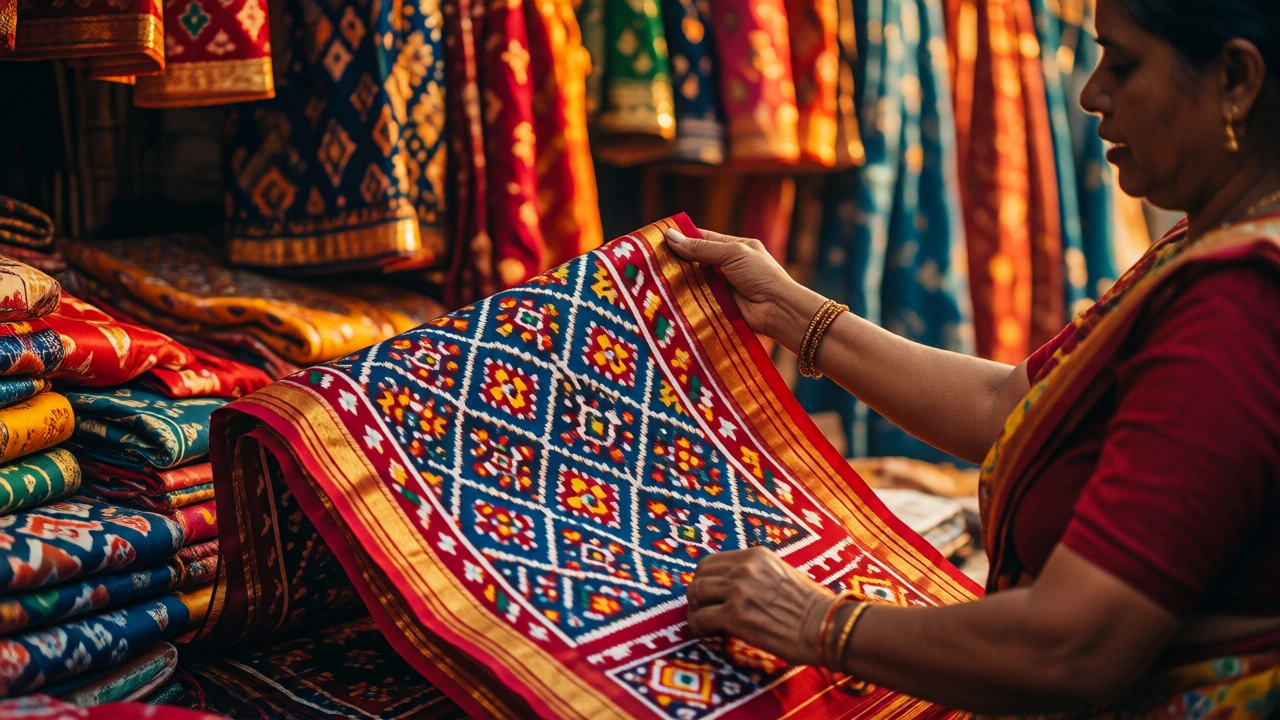
You cannot visit Surat and ignore the saree. The city is a major hub for Saree production, particularly synthetic and semi-silk varieties. Unlike Banarasi weavers who focus on pure silk, Surat masters the art of making expensive-looking garments affordable.
Look for Patola patterns (double ikat) woven on power looms. They mimic the hand-woven originals but cost a fraction of the price. For wedding guests or cultural events, these offer incredible value. Just be careful with colorfastness-ask for a swatch test before committing to large orders.
3. Diamond Jewelry (Yes, Really)
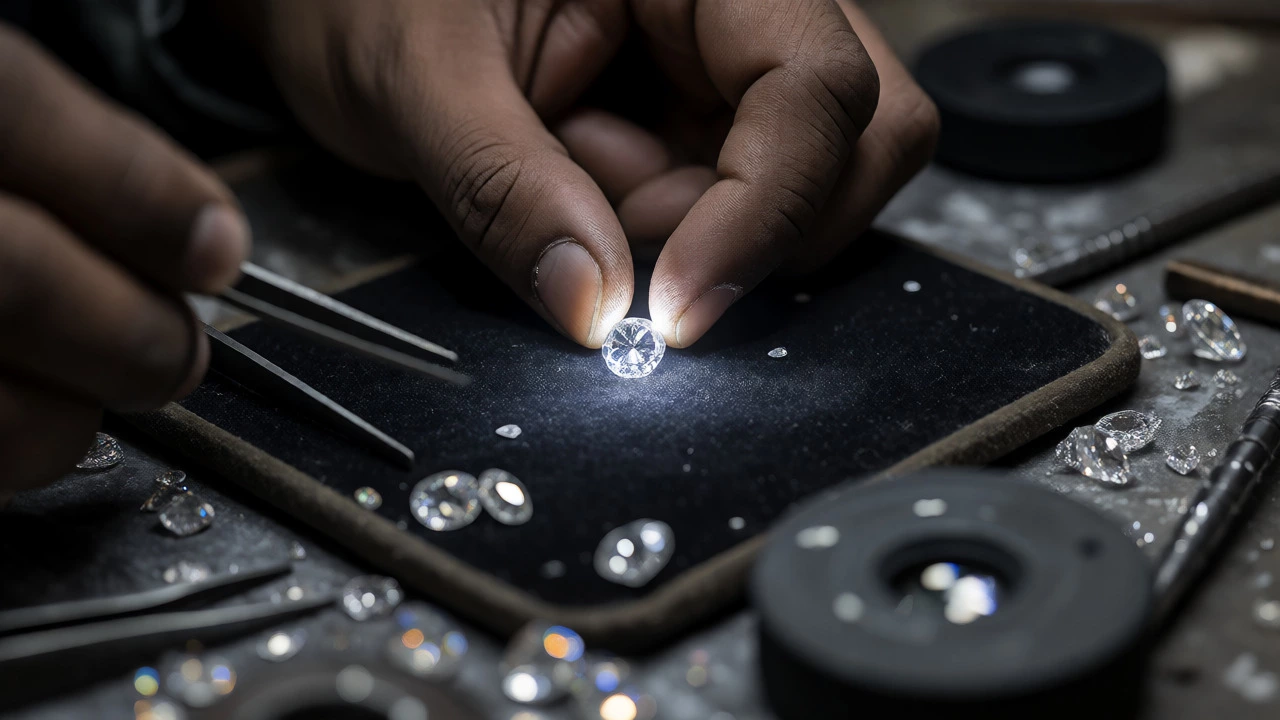
While not a textile, it’s impossible to separate Surat from diamonds. Over 90% of the world’s rough diamonds pass through this city for polishing. If you’re buying textiles, you might as well pick up some polished stones. The markup here is minimal compared to international retailers. Small, uncertified loose diamonds make excellent gifts, while certified stones offer investment-grade value.
Navigating the Markets: Where to Go
Surat is huge. Driving around aimlessly will waste your day. Here is how to split your time based on what you want to buy.
| Market Area | Best For | Vibe & Tips |
|---|---|---|
| Ring Road | Fashionable ready-made garments, trendy kurtis, and party wear. | Modern, air-conditioned malls mixed with street stalls. Good for browsing latest trends. |
| Majura Gate | Wholesale fabrics, sarees, and bulk purchases. | Chaotic but efficient. Bring cash. Haggling is expected and necessary. |
| Diamond Market | Polished diamonds, jewelry settings, and gemstones. | Security checks are strict. Dress formally. Prices are fixed or negotiable within narrow margins. |
| Chowk Bazaar | Traditional handicrafts, silverware, and older style ethnic wear. | Old-world charm. Narrow lanes. Great for authentic local experiences and lower-end bargains. |
The Art of the Deal: How to Buy Like a Local
Shopping in Surat is a contact sport. If you pay the first price quoted, you’ve already lost. Sellers expect negotiation, especially if you’re a foreigner. Here’s the playbook:
- Start Low: Counter-offer at 40-50% of the asking price. It sounds aggressive, but it sets the anchor.
- Walk Away: This is your strongest weapon. If they don’t call you back, your offer was too low. If they do, you have room to move up slightly.
- Check Quality First: Never negotiate before inspecting the fabric. Feel the weave, check for loose threads, and ask if it’s pre-shrunk. Synthetic fabrics can pill easily; rub two pieces together to test durability.
- Buy in Bulk: Even if you’re a tourist, buying three items instead of one often triggers a "wholesale" discount. Split costs with friends or fellow travelers.
Don’t forget the logistics. Shipping heavy fabric rolls internationally can cost more than the goods themselves. Plan to carry what you can in luggage, or use local courier services for larger orders. Many vendors in Ring Road offer packaging services for tourists.
Quality Control: Avoiding Common Pitfalls
Not everything glittering is gold, and not every shiny fabric is high-quality polyester. The biggest risk in Surat is mislabeling. Vendors might sell a low-grade poly-viscose blend as premium silk.
How do you spot the fakes?
- The Burn Test: Ask for a scrap piece. Real silk burns slowly and smells like burnt hair. Polyester melts into a hard bead and smells chemical.
- Weight Check: High-quality synthetics feel substantial. Cheap ones feel flimsy and static-prone.
- Color Fastness: Wet a white cloth and rub it vigorously against the fabric. If dye transfers, wash it separately or avoid it altogether.
For industrial buyers, request lab reports. Reputable manufacturers in the GIDC (Gujarat Industrial Development Corporation) areas provide certificates for GSM (grams per square meter) and thread count. Don’t skip this step if you’re sourcing for business.
Beyond Textiles: Hidden Gems Worth Your Time
While textiles are the main draw, Surat offers other products that benefit from local manufacturing advantages.
Plastic Goods: With plastic manufacturing being a key sector here, household plastic items-from storage containers to furniture-are surprisingly cheap and durable.
Leather Accessories: Gujarat has a strong leather tanning industry. Belts, wallets, and bags made from genuine leather are available at competitive rates, though you must verify authenticity carefully.
Spices and Dry Fruits: As a trading hub, Surat imports vast quantities of spices. You can buy saffron, cardamom, and almonds at near-wholesale prices. These travel well and make great gifts.
Final Thoughts: Is It Worth the Trip?
If you’re just looking for a souvenir T-shirt, Surat might feel overwhelming. But if you’re a designer, a reseller, or someone who loves custom tailoring, the savings are undeniable. Imagine getting a bespoke suit tailored from Italian-grade wool fabric sourced locally for under $100. That’s the Surat promise.
Go prepared. Wear comfortable shoes, carry small denomination notes, and keep your expectations realistic regarding service speed. The chaos is part of the charm, but the rewards are tangible. You aren’t just buying stuff; you’re tapping into one of the most efficient manufacturing ecosystems in the world.
Is Surat safe for solo female shoppers?
Generally, yes. Surat is considered one of the safer cities in India for women. However, crowded markets like Chowk Bazaar can be intense. Stick to well-lit areas, use registered auto-rickshaws, and avoid isolated lanes after dark. Most shopkeepers are respectful, but keeping valuables secure is always wise.
Can I bargain in all Surat shops?
No. Fixed-price stores, branded showrooms, and modern malls in areas like Vesu or Adajan usually do not allow bargaining. Traditional markets such as Majura Gate and Ring Road street stalls do. Always ask "Is this the final price?" before starting negotiations to gauge the seller's flexibility.
What is the best time to visit Surat for shopping?
October to March is ideal due to cooler weather. If you’re interested in seeing the peak of activity, try visiting during the Navratri festival (usually September/October), when demand for ethnic wear spikes and markets are vibrant, though prices may be slightly higher due to demand.
Do I need a visa to buy diamonds in Surat?
You need a standard tourist visa to enter India. There is no special visa for shopping. However, if you plan to export large quantities of diamonds commercially, you may need to navigate customs regulations and potentially obtain an Import Export Code (IEC) if you are doing business rather than personal purchase.
How much should I budget for a week of shopping?
This varies wildly. For basic synthetic fabrics, you could spend $50-$100 for several meters. For mid-range ethnic wear, budget $20-$50 per outfit. Diamonds can range from $500 for small stones to thousands for carats. Set a daily limit to avoid impulse buys, as the sheer volume of options can lead to overspending.