US Food Processing Industry Explorer
Explore the landscape of the ~36,500 active food manufacturing establishments in the US. Filter by subsector or view key economic impacts.
Select a Subsector
Click on a subsector from the left to see estimated share, examples, and insights.
| State | Primary Focus |
|---|---|
| California | Fruit, Vegetable, Wine Processing |
| Iowa | Grain & Livestock (Corn/Pork) |
| Texas | Meat Processing & Tex-Mex |
| Nebraska | Beef Processing |
| New York / IL | HQs & Distribution Hubs |
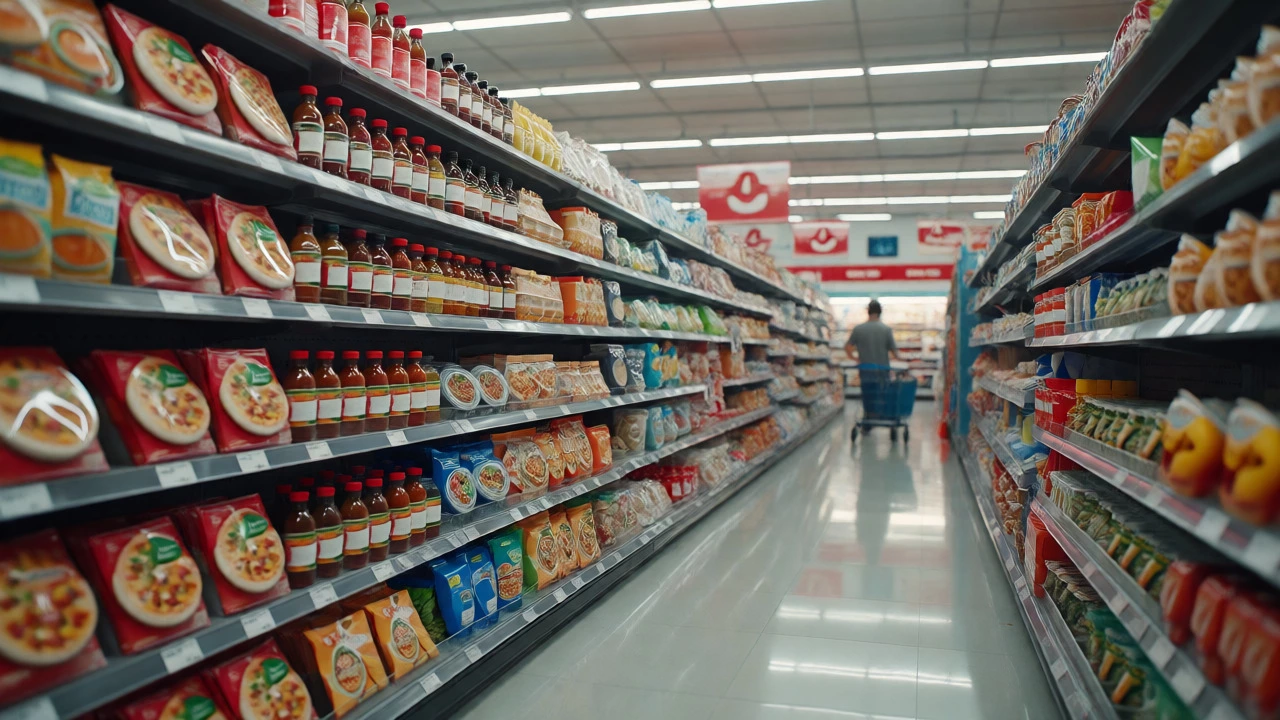
You walk into a supermarket. The shelves are stacked with frozen pizzas, bottled sauces, packaged snacks, and pre-cut salads. Behind every single one of those items is a food processing company. But how many of these businesses actually exist across the United States? Is it hundreds? Thousands? Or are we talking about tens of thousands?
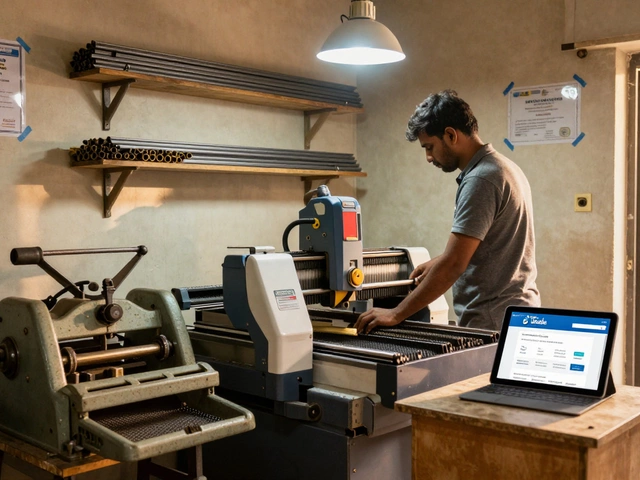
The answer isn't as simple as picking a number from a phone book. The definition of "food processing" has shifted over the last decade. It used to mean giant factories turning wheat into flour or cattle into beef patties. Today, it includes craft breweries, small-batch hot sauce makers, and tech-driven meal kit startups. If you're an investor, a job seeker, or someone looking to start a business in this sector, you need accurate data, not just vague estimates.
Key Takeaways
- Total Count: As of recent Census Bureau data, there are approximately 35,000 to 40,000 active food manufacturing establishments in the US.
- Small Business Dominance: Over 90% of these companies have fewer than 100 employees, meaning the industry is driven by small and medium-sized enterprises (SMEs), not just giants like Kraft Heinz.
- NAICS Code: To find exact numbers, look under North American Industry Classification System (NAICS) code 311, which covers all food manufacturing.
- Economic Impact: This sector employs roughly 1.6 million people directly, making it one of the largest private-sector employers in the country.
- Growth Areas: The fastest growth is happening in niche categories like plant-based proteins, functional beverages, and ready-to-eat meals, often driven by smaller, agile processors.
Defining the Scope: What Counts as a Food Processing Company?
Before we count them, we have to agree on what we're counting. The US government uses the North American Industry Classification System (NAICS) to categorize businesses. For food processing, the relevant code is NAICS 311.
This code covers everything that transforms agricultural products into food for humans or animals. It excludes restaurants (which fall under NAICS 722) and retail grocery stores (NAICS 445). So, when we talk about food processing companies, we mean facilities that take raw ingredients-like milk, grains, fruits, or meat-and change their physical form, chemical composition, or packaging for sale.
| Subsector | Examples | Estimated Share of Establishments |
|---|---|---|
| Fruit and Vegetable Preserving | Canned goods, frozen veggies, juice bottlers | ~18% |
| Dairy Product Manufacturing | Cheese plants, yogurt producers, ice cream factories | ~12% |
| Grain and Oilseed Milling | Flour mills, rice processing, soybean crushing | ~10% |
| Sugar and Confectionery | Candy makers, chocolate processors, syrup producers | ~8% |
| Meat and Seafood Processing | Slaughterhouses, fish canneries, deli meat packers | ~15% |
| Beverage Manufacturing | Soft drink bottlers, breweries, wineries, coffee roasters | ~20% |
| Other Food Manufacturing | Pet food, spices, pasta, prepared meals | ~17% |
The Real Numbers: Breaking Down the Statistics
According to the latest data from the US Census Bureau's Annual Survey of Manufactures, there are roughly 36,500 active establishments classified under NAICS 311. However, if you include beverage manufacturing (NAICS 312), which is closely tied to the food supply chain, that number climbs closer to 45,000.
Why does this number fluctuate? Because the barrier to entry varies wildly. Starting a massive poultry processing plant requires millions in capital and complex regulatory approvals. In contrast, launching a local kombucha brewery or a specialty salsa brand might only require a few thousand dollars and a commercial kitchen permit. This accessibility explains why the number of small entities keeps growing, even as some large legacy plants consolidate or close.
It's crucial to distinguish between establishments and companies. A single corporation like Tyson Foods might own 50 different processing plants across the country. Each plant counts as an establishment, but they belong to one parent company. When analysts say there are "fewer" major players, they refer to corporate ownership. When they cite high numbers, they refer to physical locations. For most practical purposes-like finding suppliers or understanding regional economic impact-the establishment count is more useful.
Who Are the Players? Big Giants vs. Small Innovators
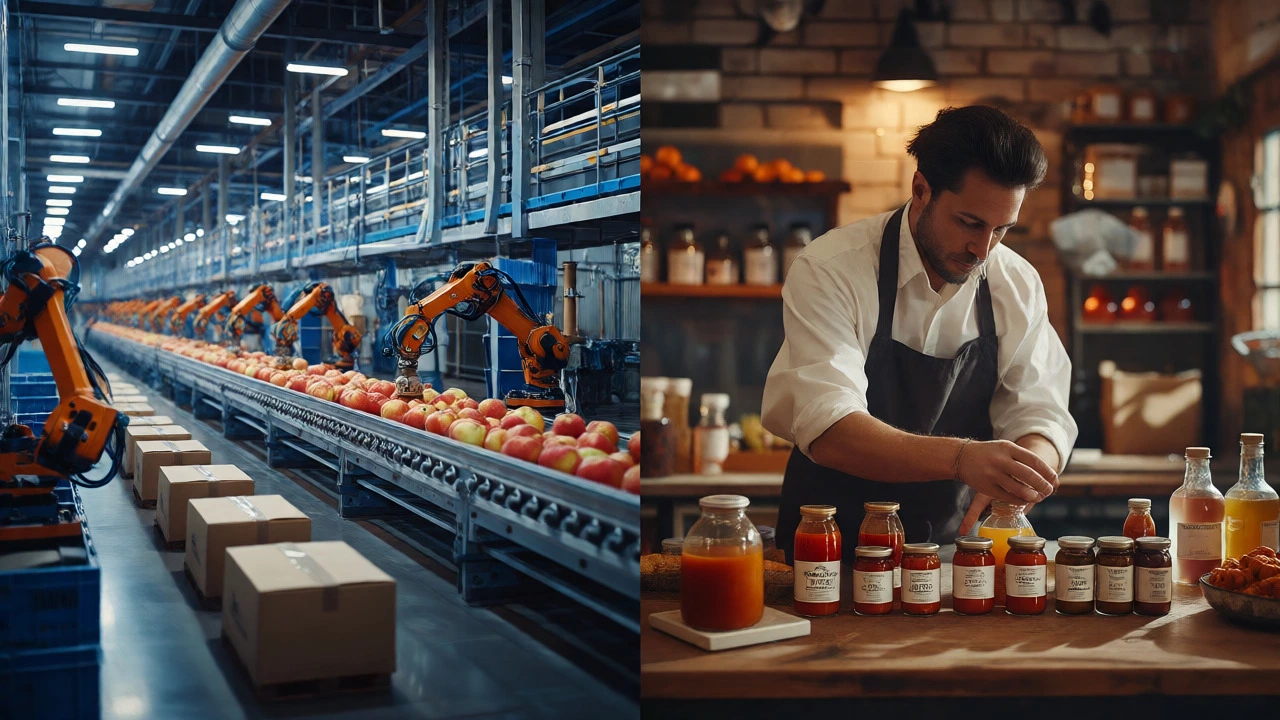
If you think the industry is dominated by a handful of conglomerates, you're half right. Revenue-wise, yes, the top 10 companies control a significant chunk of the market. Names like Nestlé, PepsiCo, and General Mills generate billions annually. They have the scale to negotiate better prices on raw materials and distribute products globally.
But here’s the twist: while big companies dominate sales volume, small companies dominate innovation. Think about the rise of gluten-free bread, keto-friendly snacks, or oat milk. These trends didn't start in the boardrooms of General Mills. They started in small garages and startup kitchens. Once a niche product proves its market fit, the giants often step in-either by copying the recipe or buying out the small innovator.
This dynamic creates a vibrant ecosystem. Large processors provide stability and consistent employment. Small processors drive diversity in flavors and dietary options. If you're looking for a job, large plants offer structured career paths and benefits. If you're looking to do business, small processors are often more flexible and eager to partner with new suppliers or co-packers.
Regional Hotspots: Where Are These Companies Located?
Food processing doesn't happen evenly across the map. It clusters near sources of raw materials and major transportation hubs. You won't find many dairy plants in the desert Southwest, nor will you see many seafood processors in landlocked Kansas.
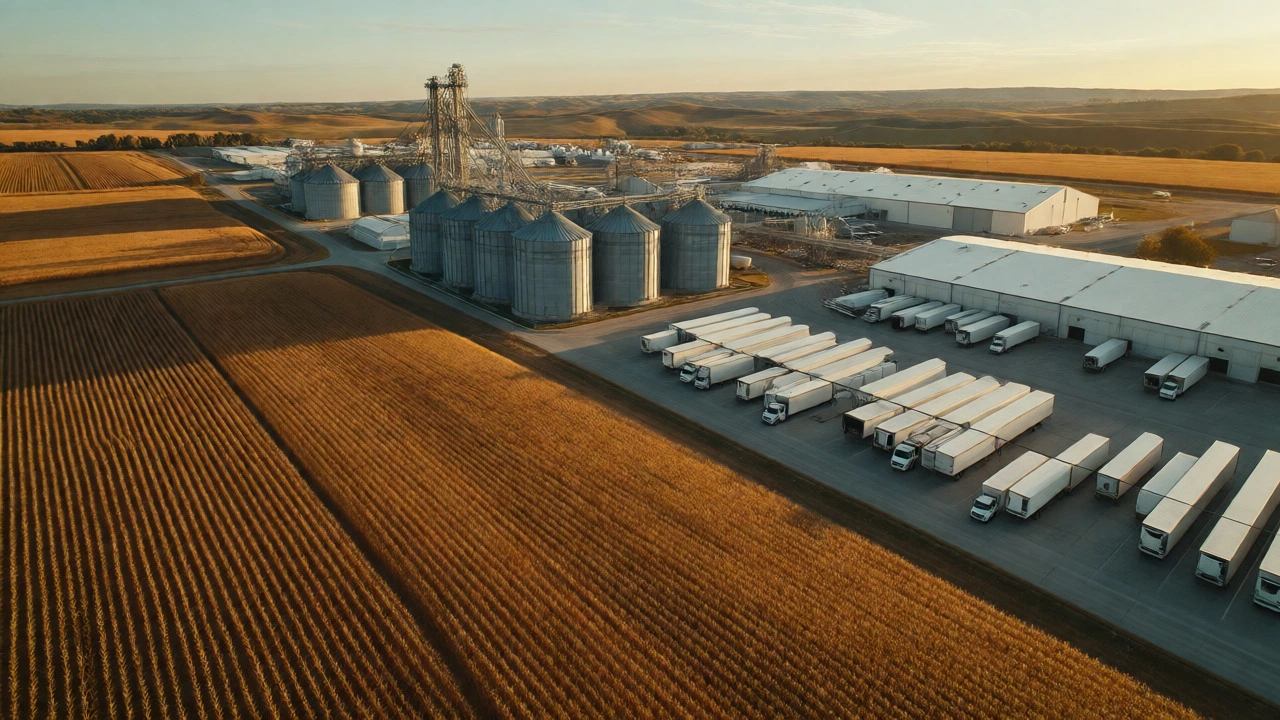
Iowa and Nebraska are heavyweights in grain and livestock processing due to their vast corn and cattle production. California leads in fruit, vegetable, and wine processing, leveraging its diverse climate. Texas is a powerhouse for meat processing and Tex-Mex food products. Meanwhile, New York and Illinois remain central hubs for distribution and headquarters operations, even if the actual factory floors are elsewhere.
For entrepreneurs, location matters. Setting up a fresh produce packing facility far from farms increases spoilage risk and transport costs. Conversely, placing a high-margin gourmet snack factory near urban centers allows for faster delivery to retailers and lower shipping fees per unit.
Challenges Facing the Industry Today
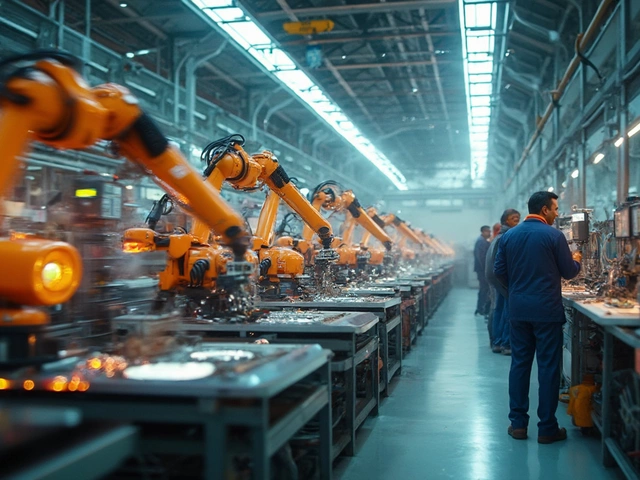
Running a food processing company in 2026 isn't easy. Labor shortages continue to plague the sector. Unlike office jobs, you can't easily hire remote workers to slice ham or package cookies. This has pushed many companies to invest heavily in automation. Robotic arms now handle repetitive tasks like palletizing boxes or sorting defective apples, reducing reliance on manual labor.
Supply chain volatility is another headache. A drought in California can spike almond prices overnight. A port strike can delay imported spices for weeks. Successful companies mitigate this by diversifying suppliers and maintaining strategic inventory buffers. Regulatory compliance also adds pressure. FDA inspections, USDA audits, and labeling requirements change frequently, requiring dedicated quality assurance teams.
Finally, consumer preferences shift rapidly. What was popular five years ago might be outdated today. Processors must stay agile, updating recipes and packaging quickly to meet demands for cleaner labels, sustainable sourcing, and ethical treatment of animals.
Related Concepts and Connected Topics
To fully grasp the landscape, consider related entities. Agribusiness encompasses the entire chain from farm to fork, including input suppliers and logistics providers. Cold Chain Logistics is critical for perishable goods; without reliable refrigerated transport, processed food spoils before reaching shelves. Food Safety Modernization Act (FSMA) dictates the safety standards these companies must follow, impacting operational costs and procedures.
Next Steps for Stakeholders
If you're researching this industry, don't stop at the total count. Drill down into specific subsectors. Use tools like IBISWorld or Statista for detailed revenue forecasts. Visit local trade shows like Expo West to see emerging brands. Talk to local extension offices for region-specific agricultural data. The number of companies tells you the scale, but understanding their structure tells you where the opportunities lie.
Are restaurants considered food processing companies?
No. Restaurants are classified under NAICS 722 (Accommodation and Food Services). While they prepare food, they primarily sell a service and immediate consumption experience. Food processing companies (NAICS 311) manufacture products for resale through retail channels.
What is the average size of a food processing company in the US?
The vast majority are small businesses. Approximately 90% of food manufacturing establishments have fewer than 100 employees. However, because large corporations operate multiple facilities, the median employee count per *company* is higher than per *establishment*.
Which state has the most food processing companies?
California typically ranks first due to its massive agricultural output in fruits, vegetables, and nuts. Iowa and Texas follow closely, driven by grain, pork, and beef processing industries.
Do pet food manufacturers count as food processing?
Yes. Pet food manufacturing falls under NAICS 311199 (All Other Miscellaneous Food Manufacturing) or specific subcodes depending on the primary ingredient. It is a significant part of the broader food processing industry.
How has automation affected the number of jobs in food processing?
Automation has increased productivity per worker, allowing companies to process more volume with similar or slightly reduced headcount. While total employment remains stable around 1.6 million, the nature of jobs has shifted from manual assembly to machine operation and maintenance.