Food Processing Unit Production Estimator
Estimate Daily Production Volume
Calculate how much food a processing unit can produce based on its type, scale, and operational factors
Your estimated daily production volume will appear here
When you think of the food industry, you might picture farms, supermarkets, or fast-food chains. But behind every bag of chips, bottle of sauce, or frozen meal is a complex network of food processing units-the actual factories and facilities where raw ingredients become the products we eat every day. These aren’t just big buildings with machines. They’re specialized systems designed for safety, efficiency, and scale. Understanding what these units are and how they work helps you see why your food tastes the way it does, costs what it does, and sometimes, why it’s not available when you need it.
What Exactly Is a Food Processing Unit?
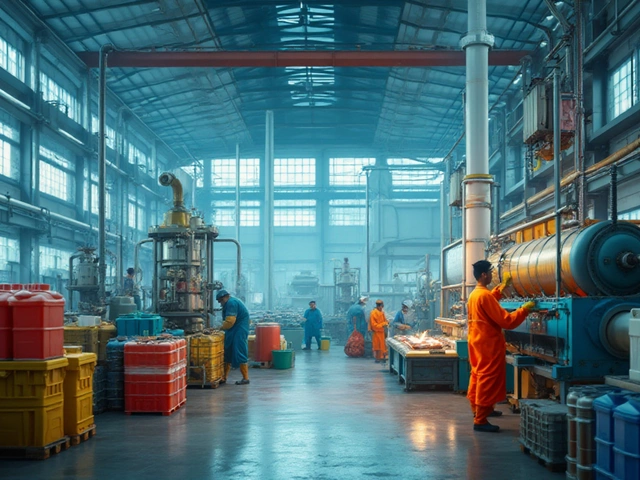
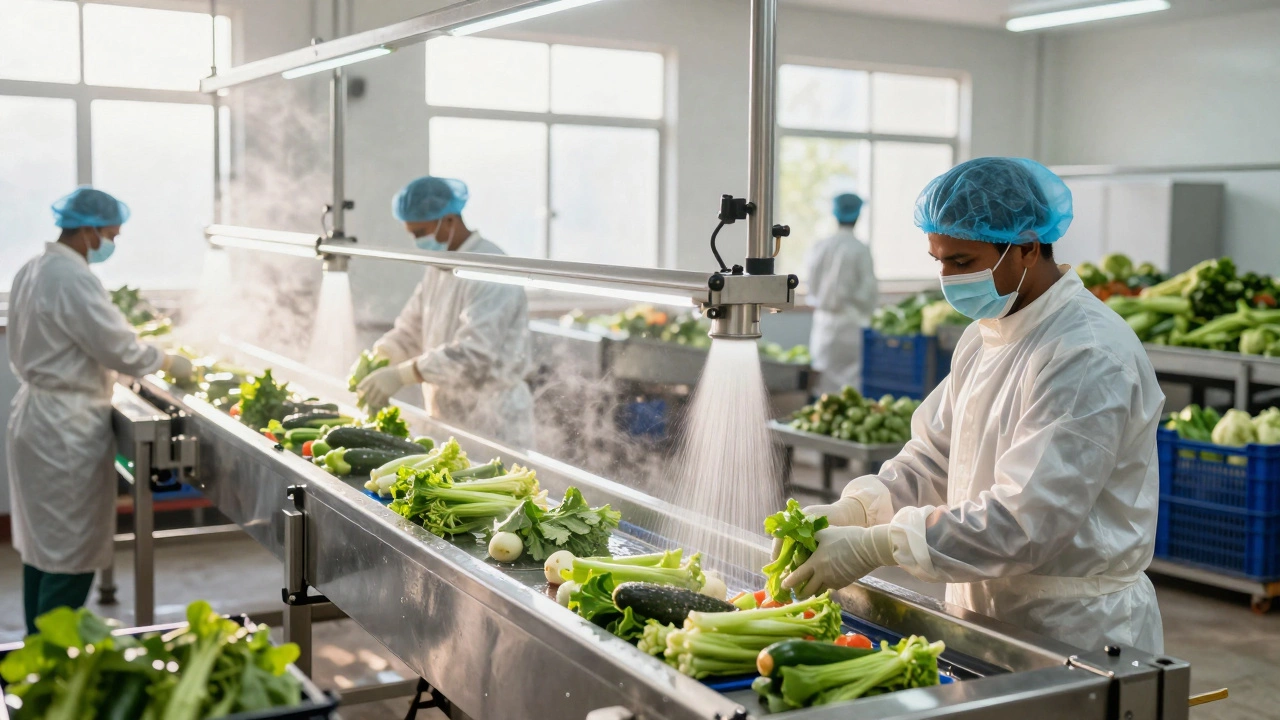
A food processing unit is any facility or section within a facility that transforms raw agricultural products into edible goods. This could be as simple as a small plant that washes and packs fresh vegetables or as complex as a multi-line factory that turns corn into corn syrup, chips, and snack packaging in one continuous flow. These units follow strict hygiene, safety, and labeling rules set by agencies like the FDA in the U.S. or the FSA in the UK.
Not all food processing units are the same. They vary by:
- Scale: Small, medium, or large
- Product type: Meat, dairy, baked goods, beverages, etc.
- Technology used: Manual, semi-automated, or fully automated
- Regulatory requirements: Based on risk level of the product
For example, a unit making canned beans needs different equipment and controls than one making infant formula. One handles low-risk, shelf-stable food. The other deals with high-risk, perishable products that can cause serious illness if contaminated.
Types of Food Processing Units
There are five main types of food processing units, each built for a specific kind of transformation. Knowing these helps you understand where your food comes from and why some products cost more than others.
1. Primary Processing Units
These are the first step after harvest or slaughter. They don’t change the food’s basic form-they prepare it for further processing. Think of them as the cleanup crew of the food chain.
- Washing, sorting, and grading fruits and vegetables
- Deboning and chilling meat
- Milking and pasteurizing raw milk
- Threshing and drying grains
These units are often located near farms to reduce spoilage. In the UK, many primary units are run by cooperatives of local farmers. A single dairy primary unit might process milk from 50-100 farms a day.
2. Secondary Processing Units
This is where the real transformation happens. Raw materials from primary units are turned into recognizable food products. This is the heart of most food manufacturing.
- Baking bread, cakes, and pastries
- Making cheese from milk
- Producing canned soups or sauces
- Extruding pasta or breakfast cereals
Secondary units use heat, pressure, fermentation, or chemical reactions. A unit making tomato sauce might receive whole tomatoes, cook them down, remove skins and seeds, add salt and herbs, then fill jars and seal them-all in one automated line. These units need precise temperature controls and regular cleaning to prevent bacterial growth.
3. Tertiary Processing Units
These are the final-stage factories that create ready-to-eat or ready-to-heat meals. They combine ingredients from multiple secondary units into packaged meals.
- Freezing ready meals like lasagna or stir-fry
- Assembling snack packs with nuts, dried fruit, and chocolate
- Producing meal kits for home cooking
- Manufacturing frozen pizzas or burritos
Tertiary units are growing fast. With more people eating at home and less time to cook, demand for these products jumped 37% in the UK between 2020 and 2024, according to the Food and Drink Federation. These facilities often use blast freezers to lock in freshness and robotics to pack meals without human contact.
4. Beverage Processing Units
These are specialized units that handle liquids. They’re not just bottling plants-they’re highly regulated systems that control everything from water purity to carbonation levels.
- Soft drink production (soda, juice, energy drinks)
- Brewing beer and cider
- Distilling spirits
- Packaging bottled water and flavored teas
Water used in beverage units must meet drinking water standards. A single soft drink plant in Manchester can process over 1 million liters of water per day, filtered and sterilized before adding flavor and carbonation. These units also use high-speed filling lines-some can fill 1,200 bottles per minute.
5. Specialized Processing Units
These serve niche markets or handle unusual ingredients. They’re smaller but often more technically advanced.
- Plant-based meat production (like Beyond Meat or Quorn facilities)
- Organic food processing (separate lines to avoid cross-contamination)
- Medical nutrition (food for patients with swallowing difficulties)
- Infant formula production (requires sterile environments and strict ingredient tracking)
Infant formula units, for example, are built like cleanrooms. Workers wear full-body suits, air is filtered hourly, and every batch is tested for bacteria. A single error here can lead to recalls affecting thousands of families.

How Are Food Processing Units Structured?
Inside a typical food processing unit, you’ll find four main zones:
- Receiving Area - Where raw materials arrive. Trucks are inspected, samples are taken, and logs are kept.
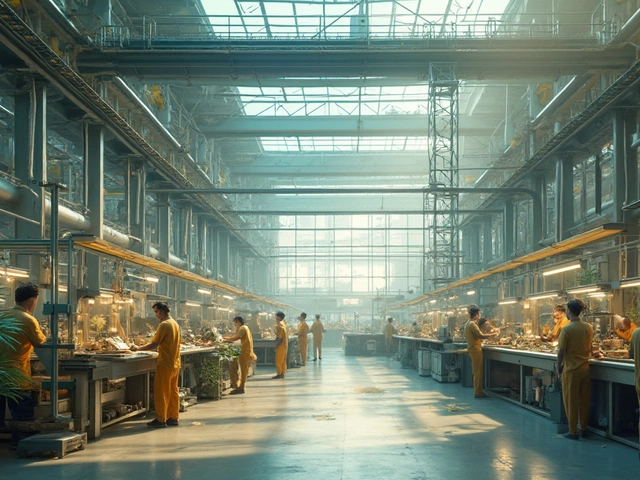
- Processing Line - The heart of the unit. Machines wash, chop, cook, mix, and shape food.
- Packaging Section - Food is sealed in bags, boxes, or cans. Labels are printed and scanned.
- Storage and Dispatch - Finished products are stored in cold or dry rooms before being shipped out.
Each zone has its own cleaning schedule, staff training, and safety protocols. You can’t walk from the packaging area into the raw meat area without changing clothes and washing up. Cross-contamination is the biggest risk in food safety-and these zones are designed to stop it.
Scale Matters: Small vs. Large Units
Not all food processing units are huge industrial complexes. In fact, over 60% of food processing in the UK is done by small and medium-sized businesses, according to Defra data from 2024.
Small units (under 50 employees):
- Often family-run or local cooperatives
- Produce artisanal cheeses, pickles, jams, or baked goods
- Use manual or semi-automated equipment
- Supply local markets, farm shops, or online stores
Large units (500+ employees):
- Part of multinational companies like Nestlé, Unilever, or Kerry Group
- Run 24/7 with robotics and AI monitoring
- Produce millions of units per day
- Export to dozens of countries
The difference isn’t just size-it’s cost, control, and flexibility. Small units can adapt quickly to trends (like vegan snacks or low-sugar options). Large units can drive prices down but move slower to change.

What Keeps These Units Running?
Behind every processing unit are supporting systems that most people never see:
- Water treatment plants - Clean water is critical. A single bakery can use 50,000 liters a day.
- Refrigeration systems - Cold chains start here. If the freezer fails, thousands of meals spoil.
- Waste management - Food waste is turned into animal feed, biogas, or compost. In Liverpool, one plant turns 12 tons of potato peels into energy daily.
- Quality control labs - Every batch is tested for pathogens, chemicals, and nutritional content.
These support systems aren’t optional. A single E. coli outbreak traced to a processing unit can cost millions and shut down operations for months.
Why This Matters to You
Knowing how food processing units work changes how you shop, eat, and think about food. When you buy organic jam from a local producer, you’re supporting a small secondary unit. When you grab a frozen meal from the supermarket, you’re buying from a tertiary unit that likely uses robotics and global supply chains.
It also explains why some products are expensive or hard to find. A small unit making gluten-free bread might only produce 500 loaves a week. A large unit makes 500,000. That’s why the big brands dominate shelves-but local units keep variety alive.
And if you ever wonder why your favorite snack suddenly changed taste or texture? It’s likely because the processing unit upgraded its equipment, switched suppliers, or changed the recipe to cut costs. These units are where food meets industry-and where your dinner is really made.