Plastic Demand & Profitability Analyzer 2026
Select a polymer below to analyze its demand drivers, profitability potential, and ideal use cases based on 2026 market data.
PP
Polypropylene Medium MarginPE
Polyethylene Low-Med MarginABS
Acrylonitrile... Medium MarginPC
Polycarbonate High MarginPLA
Bioplastic High MarginPEEK
High Perf. Very HighPrimary Demand Drivers (2026)
Ideal Use Cases
Profitability Profile
Strategic Note
The plastic industry is not shrinking; it is shifting. If you are running a plastic manufacturing company in 2026, the question isn't whether there is demand-it is which specific polymers will keep your extrusion lines and injection molding machines running at capacity. The era of generic commodity plastics dominating every sector is over. Today, buyers want performance, sustainability, or both.
You might be wondering if polyethylene is still king or if engineering plastics have taken over. The truth is more nuanced. While volume leaders remain steady, the highest growth-and often the best margins-are found in specialized applications like automotive lightweighting, medical devices, and sustainable packaging alternatives. Let’s break down exactly which plastics are moving the needle right now.
The Volume Kings: Polypropylene and Polyethylene
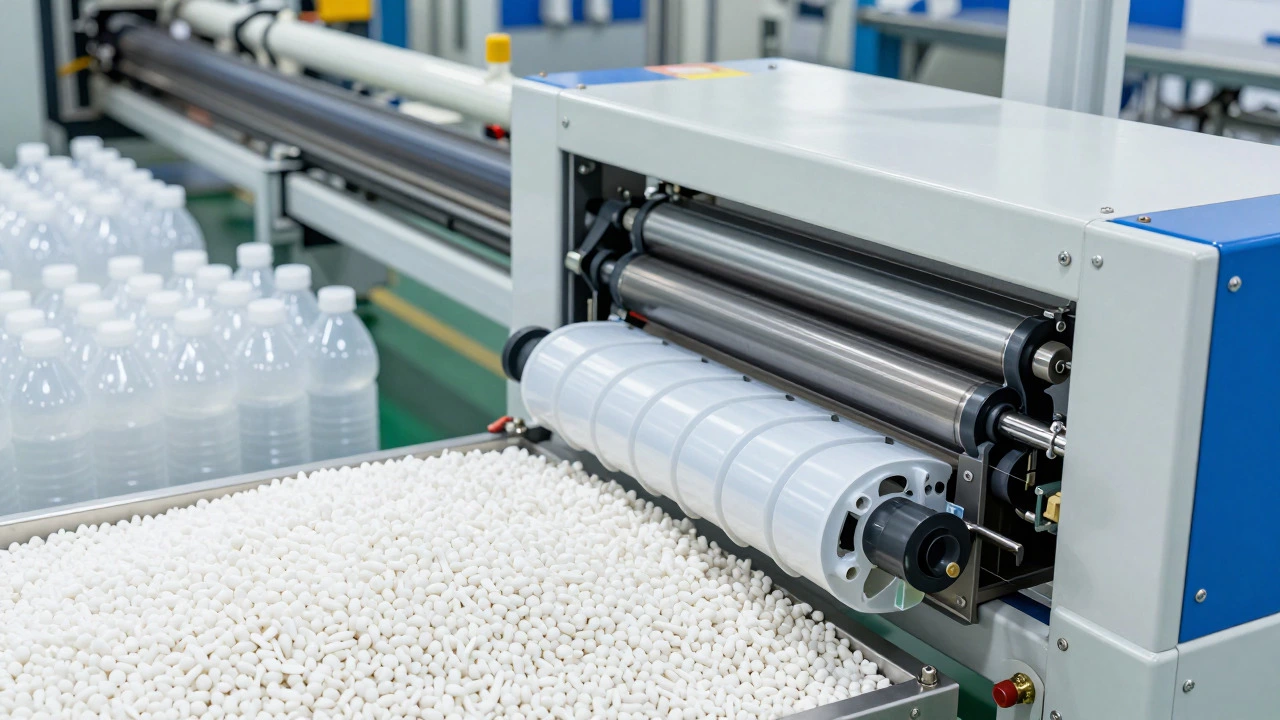
When we talk about raw volume, two materials dominate the global landscape: Polypropylene (PP) and Polyethylene (PE). These are the workhorses of the industry. They are cheap to produce, easy to process, and versatile enough for everything from yogurt cups to car bumpers.
Polypropylene has seen a surge in demand due to its role in automotive lightweighting. Car manufacturers are desperate to reduce weight to meet stricter emission standards, and PP is one of the few materials that offers strength without the heaviness of metal. In 2025-2026, the shift toward electric vehicles (EVs) has further accelerated this trend. EV batteries require robust, fire-resistant casings, and modified PP grades are increasingly being used here.
Polyethylene, particularly High-Density Polyethylene (HDPE), remains the go-to for packaging. Think milk jugs, detergent bottles, and heavy-duty pipes. Its chemical resistance and durability make it hard to beat for consumer goods. However, the challenge here is perception. Because PE is so common, it faces intense scrutiny regarding recyclability. Manufacturers who can source recycled HDPE (rHDPE) or offer closed-loop solutions are winning contracts with major retail brands.
The Engineering Powerhouses: ABS and Polycarbonate
If commodity plastics are about volume, engineering plastics are about value. Acrylonitrile Butadiene Styrene (ABS) and Polycarbonate (PC) are critical for industries where failure is not an option.
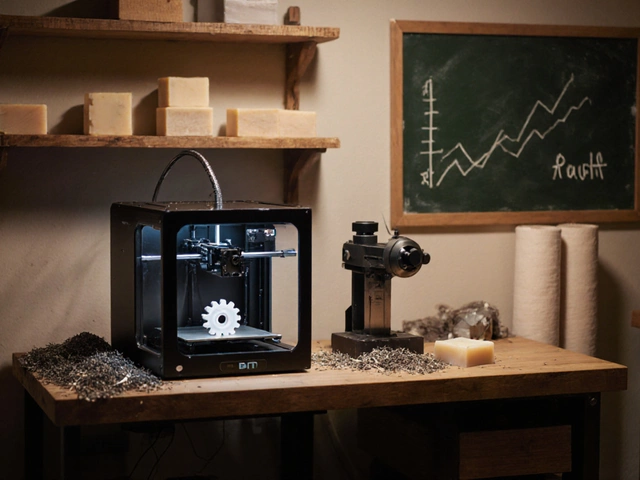
ABS is everywhere in electronics and appliances. It provides excellent impact resistance and heat stability. With the continued boom in consumer electronics-smartphones, laptops, and smart home devices-the demand for high-quality ABS remains robust. Moreover, the rise of 3D printing (FDM technology) has created a secondary, high-margin market for ABS filaments among hobbyists and industrial prototyping labs.
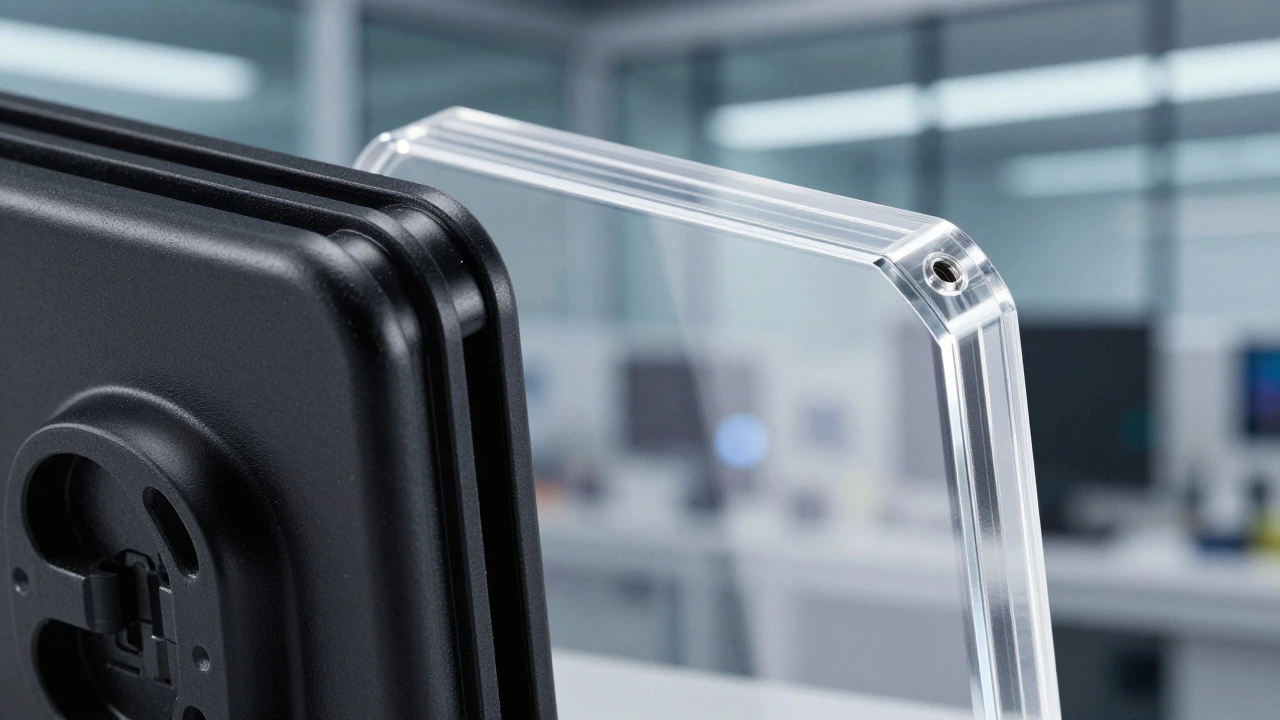
Polycarbonate is the material of choice when you need transparency and extreme toughness. Safety goggles, eyewear lenses, and even bullet-resistant glass rely on PC. In 2026, the construction sector is driving significant PC demand for energy-efficient windows and facades. Its ability to block UV light while letting visible light through makes it superior to standard glass in many architectural applications. However, PC is sensitive to stress cracking, so processing requires precise temperature control-a skill set that separates professional manufacturers from amateurs.
The Sustainability Shift: Bioplastics and Recycled Content
You cannot discuss plastic demand in 2026 without addressing sustainability. Regulations in Europe and North America are forcing brands to rethink their packaging. This has created a massive opportunity for Bioplastics, specifically Polylactic Acid (PLA) and Polybutylene Succinate (PBS).
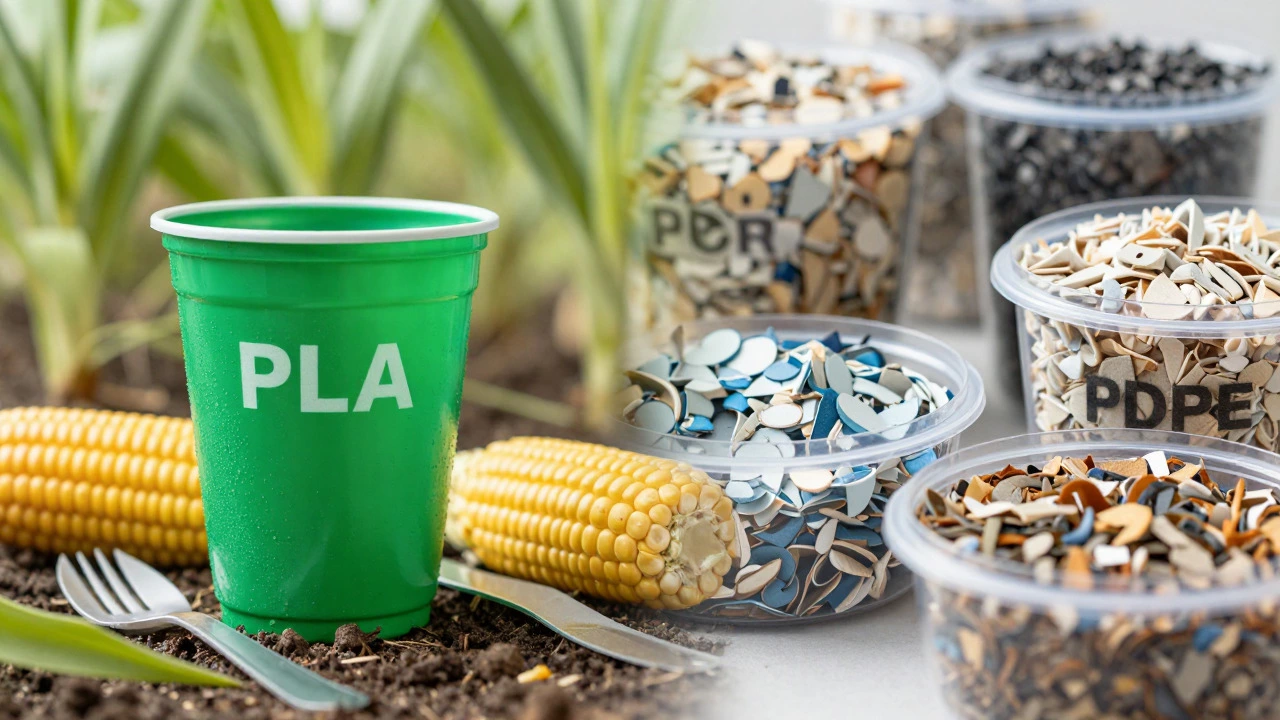
PLA is derived from renewable resources like corn starch or sugarcane. It is biodegradable under industrial composting conditions. While it doesn’t replace PET in carbonated beverage bottles (due to lower barrier properties), it dominates the single-use cutlery, cup, and food container market. Brands are willing to pay a premium for PLA because it allows them to market their products as "compostable" or "bio-based."
However, the real goldmine is not just new bioplastics, but recycled content. Post-Consumer Recycled (PCR) resin is in high demand. Companies like Apple and Unilever have committed to using significant percentages of PCR in their packaging. For a manufacturer, investing in washing and reprocessing capabilities for PET and HDPE can open doors to lucrative long-term contracts with multinational corporations.
Niche Markets with High Margins: PEEK and PVDF
For manufacturers looking to move up the value chain, high-performance thermoplastics offer exceptional margins. Polyether Ether Ketone (PEEK) and Polyvinylidene Fluoride (PVDF) are examples.
PEEK is used in aerospace, medical implants, and oil & gas drilling. It withstands extreme temperatures and chemicals that would melt most other plastics. The demand is driven by the need for lightweight, durable components in space exploration and advanced medical devices. While the volume is low, the price per kilogram is incredibly high, making it attractive for specialized niche players.
PVDF is crucial for the solar energy and lithium-ion battery industries. As the world transitions to green energy, the demand for PVDF coatings in solar panels and battery separators is skyrocketing. If your facility can handle fluoropolymer processing, this is a sector with guaranteed growth through 2030.
| Plastic Type | Primary Use Cases | Demand Driver | Margin Potential |
|---|---|---|---|
| Polypropylene (PP) | Automotive parts, packaging | EV lightweighting | Medium |
| Polyethylene (PE) | Bottles, pipes, films | Consumer goods volume | Low-Medium |
| ABS | Electronics housing, toys | Tech device proliferation | Medium |
| Polycarbonate (PC) | Eyewear, construction | Energy-efficient building | High |
| PLA (Bioplastic) | Compostable packaging | Sustainability regulations | High |
| PEEK | Aerospace, medical implants | High-performance needs | Very High |
How to Choose Your Focus
Selecting the right plastic depends on your existing infrastructure and target market. If you have large-scale extrusion lines, sticking with PP and PE but adding recycled content capabilities is a safe bet. If you have precision injection molding machines, exploring ABS and PC for electronics or medical devices could yield higher profits.
Consider also the regulatory environment in your region. The EU’s Single-Use Plastics Directive and similar laws in California and Canada are banning certain conventional plastics. Aligning your production with compliant materials like PLA or PCR-PET future-proofs your business.
Finally, look at supply chain stability. Petrochemical-based plastics fluctuate with oil prices. Bioplastics depend on agricultural harvests. Diversifying your polymer portfolio can mitigate risks associated with raw material volatility.
Is PVC still in demand in 2026?
Yes, but its growth is slower compared to other plastics. PVC remains dominant in construction for pipes and window profiles due to its durability and low cost. However, environmental concerns over chlorine content and recycling difficulties limit its expansion in consumer packaging and textiles.
What is the most profitable plastic to manufacture?
High-performance engineering plastics like PEEK and PVDF offer the highest profit margins per kilogram. However, they require specialized equipment and expertise. For general manufacturers, adding value through recycled content (PCR) or custom compounding of PP and PE can significantly boost profitability without needing entirely new machinery.
Are bioplastics replacing traditional plastics?
Not entirely. Bioplastics like PLA are replacing conventional plastics in specific niches like single-use packaging and disposable cutlery. However, for durable goods, automotive parts, and electronics, traditional petrochemical plastics remain superior in performance and cost-effectiveness. The trend is towards hybrid solutions and increased recycled content rather than a total replacement.
Which plastic is best for automotive applications?
Polypropylene (PP) is the most widely used plastic in automobiles due to its balance of strength, flexibility, and low weight. Acrylonitrile Butadiene Styrene (ABS) is also popular for interior trim and dashboards. For under-the-hood components that face high heat, Nylon (PA) and Polycarbonate (PC) blends are preferred.
How do I start a plastic recycling business?
Start by identifying a specific stream of waste, such as PET bottles or HDPE containers, as mixed recycling is complex and costly. Invest in sorting, washing, and shredding equipment. Secure partnerships with local municipalities or businesses for consistent feedstock. Finally, find buyers for your recycled flakes or pellets, focusing on companies with sustainability goals.