Small Manufacturing Startup Cost Estimator
How Small Manufacturers Compete
Why Your Costs Are Worth It
Unlike big factories that chase volume, small manufacturers invest in:
- Customization that big factories can't offer
- High-quality materials and craftsmanship
- Personal customer relationships
- Local supply chains with lower carbon footprint
How to Succeed
Focus on what big manufacturers can't:
- Niche markets and specialized products
- Customization and personalization
- Storytelling about your manufacturing process
- Direct sales channels like craft fairs and Etsy
A small manufacturing company isn’t just a tiny version of a big factory. It’s a different kind of business entirely - one that moves at its own pace, makes things by hand or with simple machines, and often knows every employee by name. In the UK, there are over 350,000 small manufacturers. Most employ fewer than 50 people. Some have just five. They don’t make millions of units. They make dozens - or even single pieces - with precision, care, and local roots.
What Exactly Counts as a Small Manufacturing Company?
In the UK, a small manufacturing company is officially defined as a business with fewer than 50 employees and an annual turnover under £10.2 million. But numbers don’t tell the whole story. What really sets them apart is how they work.
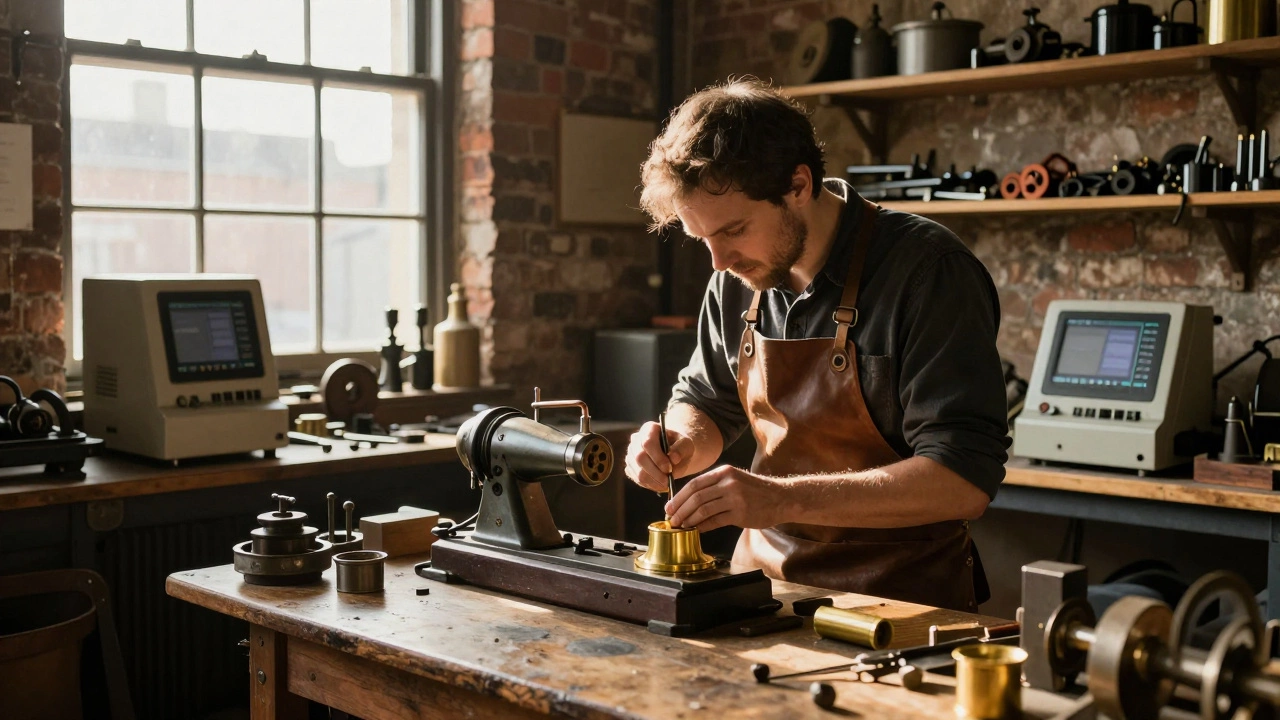
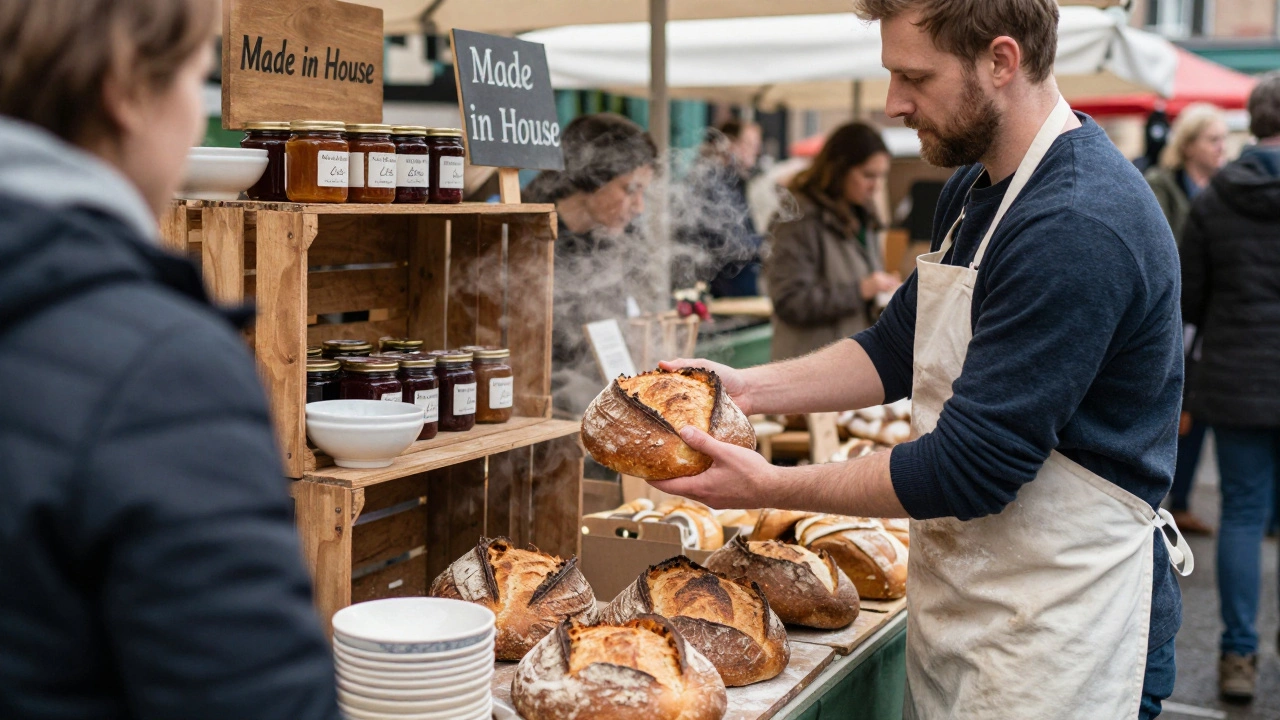
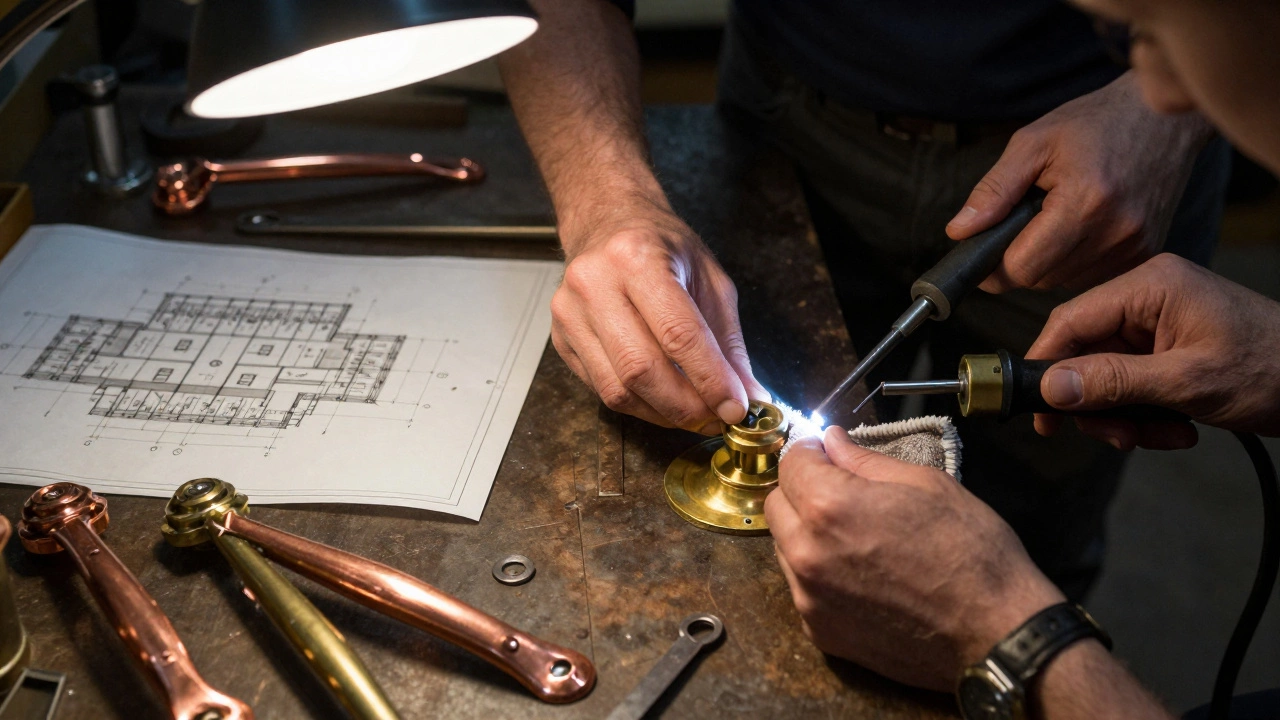
Think of a workshop in Birmingham that makes custom brass fittings for heritage steam engines. Or a bakery in Leeds that bakes sourdough loaves in batches of 200, using stone-ground flour and wood-fired ovens. Or a workshop in Liverpool that builds replica Victorian door handles for historic homes. These aren’t assembly lines. They’re skilled craft spaces where one person might design, machine, finish, and deliver the product themselves.
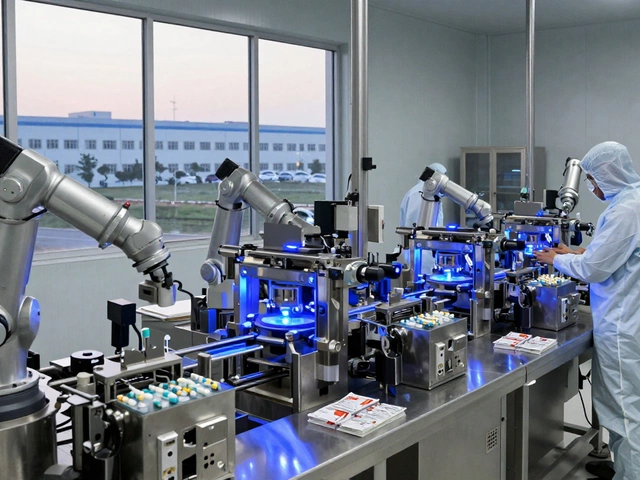
They don’t rely on robots. They rely on experience. A small manufacturer might own one CNC machine, a lathe, a press, and a few hand tools. Their inventory is small. Their lead times are longer - but so is their attention to detail.
How Small Manufacturers Are Different from Big Factories
Big factories chase volume. Small manufacturers chase value.
A large food processor might churn out 10,000 jars of jam a day using automated fillers and conveyor belts. A small manufacturer might make 50 jars a day - each one hand-filled, labeled, and sealed. They use local fruit. They tweak the recipe based on seasonal taste. They sell directly to farmers’ markets or local shops.
Big companies need economies of scale. Small ones need flexibility. If a customer asks for a custom color, a different size, or a special engraving, a small manufacturer can say yes. A big one usually can’t - or won’t - because it would break their production line.
Small manufacturers also have tighter relationships with their customers. You might call the owner directly. You might visit the workshop. You might even watch your order being made. That personal connection is part of the product.
Common Types of Small Manufacturing Businesses
Small manufacturers aren’t all the same. They fall into a few common categories:
- Custom metalwork shops - Making brackets, signs, railings, or tools for local builders and architects.
- Food and drink producers - Artisan cheeses, small-batch spirits, organic sauces, and handcrafted chocolates.
- Textile and apparel makers - Sewing limited-run clothing, repairing vintage garments, or weaving specialty fabrics.
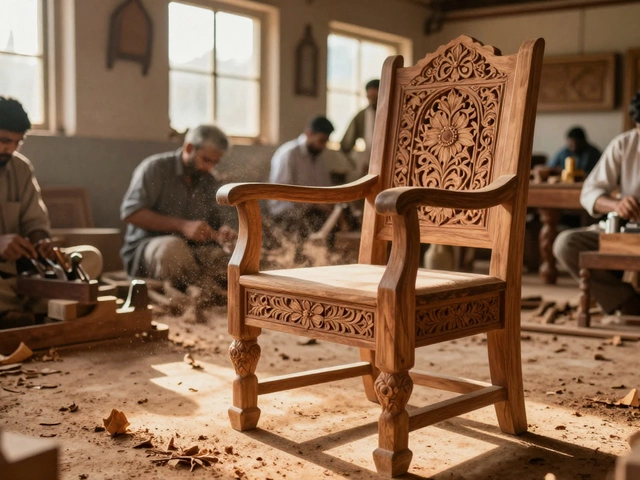
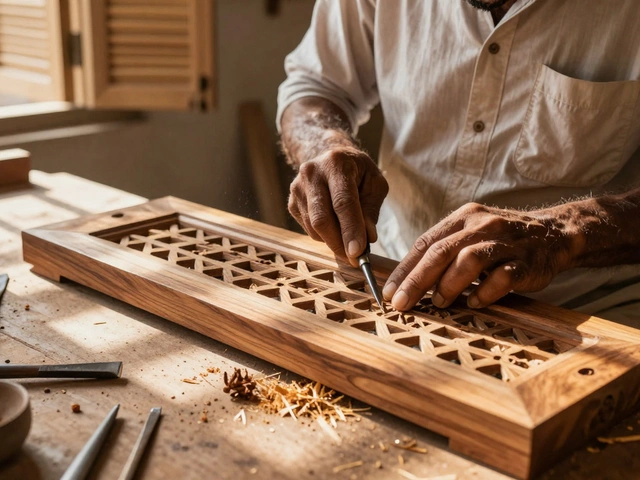
- Woodworking studios - Crafting furniture, musical instruments, or bespoke cabinetry.
- Electronics assemblers - Building control panels, medical devices, or prototype circuits for startups.
- Plastic and resin casters - Making custom parts for vintage cars, medical devices, or museum replicas.
Many of these businesses started because someone couldn’t find what they needed on the market. So they made it themselves. And others started asking for it too.
How Small Manufacturers Survive and Grow
They don’t compete on price. They compete on uniqueness.
A small manufacturer can’t undercut Amazon on cost. But they can offer something Amazon never will: authenticity. A story. A signature. A guarantee that it was made by a person who cares.
Many use direct sales - their own website, Etsy, local craft fairs, or word-of-mouth referrals. Some partner with independent retailers. Others supply niche brands that value handmade quality over mass production.
Technology helps, too. A small woodworker might use a laser cutter for intricate designs but still sand each piece by hand. A metal fabricator might use CAD software to design a part but weld it themselves. Tools have gotten cheaper and more accessible. A $2,000 CNC router can do work that once needed a $50,000 machine.
Government schemes like the UK’s Manufacturing Advisory Service and local enterprise partnerships offer free advice on funding, energy efficiency, and export support. Many small manufacturers don’t know these exist - but those who do often grow faster.
Real Examples of Small Manufacturers in the UK
In Cornwall, there’s a company called St. Ives Pottery that makes ceramic tableware using local clay. They fire each batch in a gas kiln. They employ three people. Their products are sold in 40 independent shops across England.
In Glasgow, Clachan Engineering rebuilds vintage steam valves for heritage railways. They don’t have a website. They get work through word of mouth. Their customers are museums and private collectors.
In Liverpool, a workshop called Mersey Makers produces custom brass fittings for historic boats on the River Mersey. They use original blueprints. Their clients include the National Maritime Museum and private yacht owners.
These aren’t startups. They’re legacy businesses - often family-run - that have survived because they refuse to become generic.
Why Small Manufacturing Matters
Small manufacturers aren’t just making things. They’re keeping skills alive.
When a factory closes in a town, it doesn’t just lose jobs. It loses knowledge. The ability to machine a specific type of thread. The feel of a perfectly balanced hammer. The patience to wait for paint to cure just right.
Small manufacturers train apprentices. They teach local school kids how to use a drill. They keep engineering alive outside universities and corporate labs.
They’re also more resilient. During the pandemic, many small manufacturers switched from making furniture to making face shields. They didn’t wait for government contracts. They just started making what was needed.
And they’re local. Their supply chains are short. Their carbon footprint is smaller. Their impact is visible.
Challenges Small Manufacturers Face
It’s not easy. They struggle with:
- Access to capital - Banks often see them as too small or too risky for loans.
- Regulatory burden - Health and safety rules, environmental permits, and product certifications can cost more than the equipment.
- Finding skilled workers - Young people aren’t being trained in machining, welding, or woodworking like they used to.
- Competition from overseas - Cheap imports from Asia make it hard to compete on price, even if the quality is far better.
But many overcome these by focusing on what they do best: making something no one else can, or won’t, make.
How to Spot a Real Small Manufacturer
If you’re looking to buy from one - or start one - here’s how to tell the difference:
- The website has a photo of the owner or the workshop.
- Product descriptions mention materials, tools, or techniques used.
- They list a physical address - not just a PO box.
- They answer emails personally, not with an auto-responder.
- They offer customization - even if it’s just a different color or engraving.
- They don’t have 10,000 products. They have 10, and they’re proud of each one.
That’s the mark of a small manufacturer. Not size. Not revenue. But intention.
Final Thought: The Future Is Small
Big manufacturing is becoming more automated, more global, and more distant. But people are starting to care where things come from. They want to know who made their coffee mug, their door handle, their wedding ring.
That’s why small manufacturing is coming back - not as a nostalgia project, but as a smart, sustainable business model. It’s not about being big. It’s about being meaningful.
Next time you see a product labeled ‘Made in Britain’ with a tiny workshop address, don’t assume it’s just a label. It’s a promise.
What is the difference between a small manufacturer and a craftsperson?
A craftsperson usually works alone and makes one-of-a-kind items - like a hand-carved wooden bowl or a custom-made violin. A small manufacturer makes multiple units of the same product, even if it’s only 50 a month. They might have one or two employees. They still use skilled labor, but they also use tools and processes to repeat a design reliably. Think of a craftsperson as an artist. A small manufacturer as a precision producer.
Can a small manufacturer compete with big brands?
Not on price or scale. But they can on quality, customization, and trust. Customers are willing to pay more for something made locally, with care, and with a story. Small manufacturers thrive by serving niche markets big brands ignore - like replacement parts for old appliances, bespoke packaging for indie brands, or custom tools for tradespeople.
Do small manufacturers use automation?
Yes - but selectively. A small metal shop might use a CNC machine to cut parts but still assemble and finish them by hand. A bakery might use a programmable oven but mix dough manually. Automation helps them be more consistent and efficient, not replace people. The goal isn’t to go fully robotic - it’s to make better products without burning out the team.
How do small manufacturers get funding?
Many start with personal savings or loans from family. Others use government grants like the UK’s Start Up Loans scheme or local growth funds. Some turn to crowdfunding for specific projects. A few partner with universities or innovation hubs for R&D support. Banks are often hesitant, so alternative lenders and community investment funds are becoming more common.
Are small manufacturers environmentally friendly?
Often, yes. Because they make less, they use less material. They source locally, reducing transport emissions. Many reuse scrap metal, wood, or fabric. They avoid plastic packaging. Their production runs are small, so they don’t overproduce. While they aren’t always certified as ‘green,’ their impact is usually far lower than mass producers.