Top High-End Furniture Makers in India: A Guide to Luxury Craftsmanship
12
Jun
0 Comments
Luxury Furniture Investment Calculator
Scenario Details
How many years do you plan to keep the furniture?
₹
Yrs
lifespan">
₹
Yrs
Mass-MarketBetter Value
Annual Cost
₹0
Durability Score
• Total Lifespan: 0 Years
• Replacements Needed: 0
High-End HeirloomBetter Value
Annual Cost
₹0
Durability Score
• Total Lifespan: 0 Years
• Replacements Needed: 0
Investment Insight:
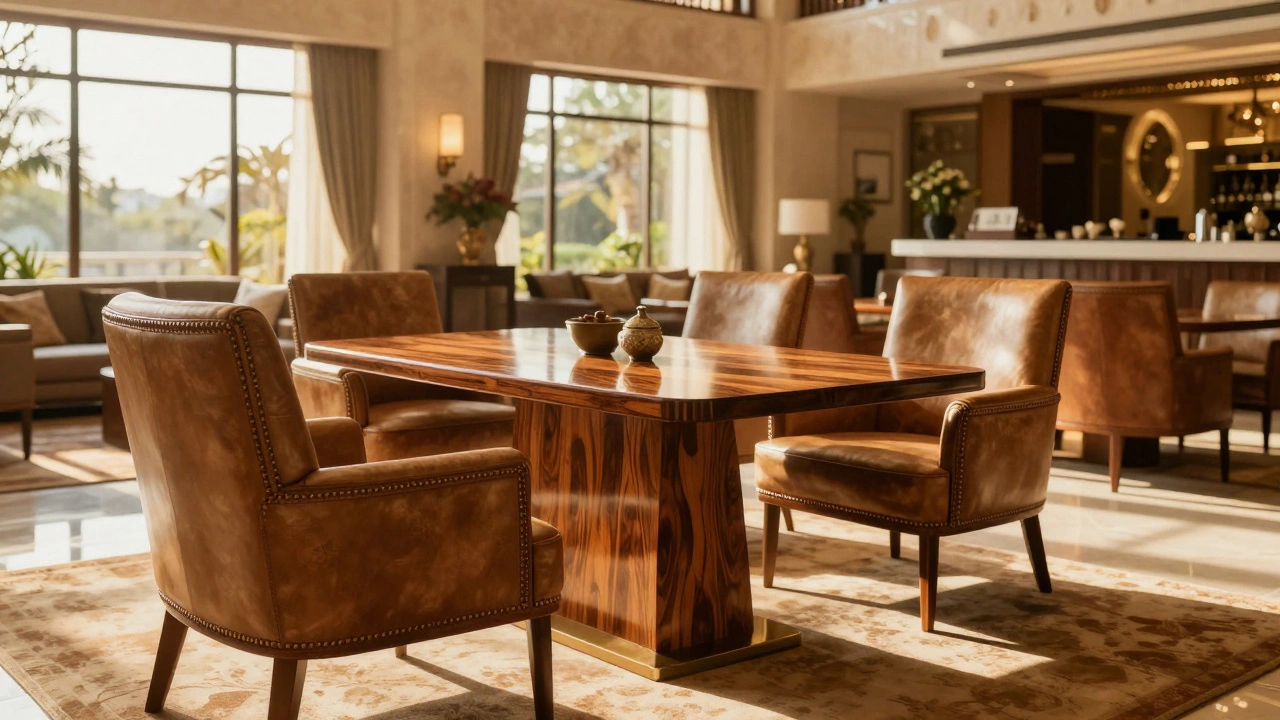
Walk into a luxury hotel lobby in Mumbai or a heritage home in Jaipur, and you’ll notice something distinct about the furniture. It isn’t just expensive; it’s alive. The grain of the teak tells a story, the joinery is invisible yet unbreakable, and the finish feels like silk under your fingertips. This is the work of India’s high-end furniture makers. But who are they? And why does their craftsmanship command global respect?
If you’re looking for mass-produced chic from a big-box store, this isn’t that list. We’re talking about the artisans and ateliers that blend centuries-old techniques with contemporary design. These are the creators behind the pieces that end up in international design awards and private collections. Whether you’re an interior designer sourcing for a project or a homeowner investing in heirloom quality, knowing these names changes everything.
The Heart of Indian Luxury: Key Hubs
India’s luxury furniture scene isn’t centralized in one city. It’s spread across specific hubs, each with its own signature style. Understanding where a piece comes from helps you understand its value.
Mumbai is the commercial capital of high-end furniture. Here, you’ll find designers who blend modern aesthetics with traditional materials. The focus is often on scale, sophistication, and urban living spaces. Brands here tend to cater to corporate clients and high-net-worth individuals looking for statement pieces.
Jodhpur and Jaipur remain the soul of Indian woodworking. Jodhpur, in particular, is famous for its intricate carving and use of rosewood and sheesham (Indian rosewood). If you want furniture that looks like it belongs in a palace, you look west. The artisans here have been perfecting chisels and hand-tools for generations.
Kolkata offers a different flavor-colonial elegance meets rustic charm. Teak is king here, and the designs often feature sturdy, timeless structures that age beautifully. It’s less about flash and more about enduring presence.
Leading High-End Furniture Makers in India
Let’s get to the names. These aren’t just companies; they’re houses of design with distinct philosophies. Here are some of the most respected players in the Indian luxury furniture space as of 2026.
Comparison of Top Luxury Furniture Brands in India
Brand/Maker
Primary Style
Key Materials
Best For
Ashley Burton
Modern Classic
Solid Wood, Leather
Luxury Hotels & Large Homes
Vinyl Collection
Contemporary Minimalist
Engineered Wood, Metal Accents
Urban Apartments
Habitat
Artisanal Modern
Teak, Brass, Stone
Design-Conscious Buyers
D’Decor
Heritage Revival
Rosewood, Intricate Carving
Traditional Interiors
Livingstone
Bespoke Custom
Premium Teak, Exotic Woods
Private Commissions
Ashley Burton has become synonymous with luxury in India. They don’t just sell furniture; they curate environments. Their showrooms are experiences, and their products range from opulent dining sets to sleek bedroom suites. They excel at blending Western comfort with Eastern grandeur.
Habitat takes a slightly different route. Founded by designers who wanted to bring craft back to the forefront, Habitat works closely with rural artisans. Their pieces often feature raw textures, natural finishes, and unique silhouettes. If you want furniture that sparks conversation because of its artistic merit, Habitat is a go-to.
Then there are the smaller, family-run workshops in places like Alwar and Nagpur. These aren’t always household names, but they produce some of the finest bespoke pieces. You won’t find them on every street corner, but if you know where to look, you’ll find master carpenters who can recreate a Victorian chair or design a futuristic sofa using only solid teak.
What Defines "High-End" in Indian Furniture?
Price is a factor, but it’s not the definition. True high-end furniture in India is defined by three things: material integrity, craftsmanship depth, and design originality.
Material Integrity: Cheap furniture uses veneers over particle board. High-end makers use solid hardwoods-teak, sheesham, mango wood, and even rare species like blackwood. They treat the wood properly, ensuring it doesn’t warp or crack in India’s humid climate.
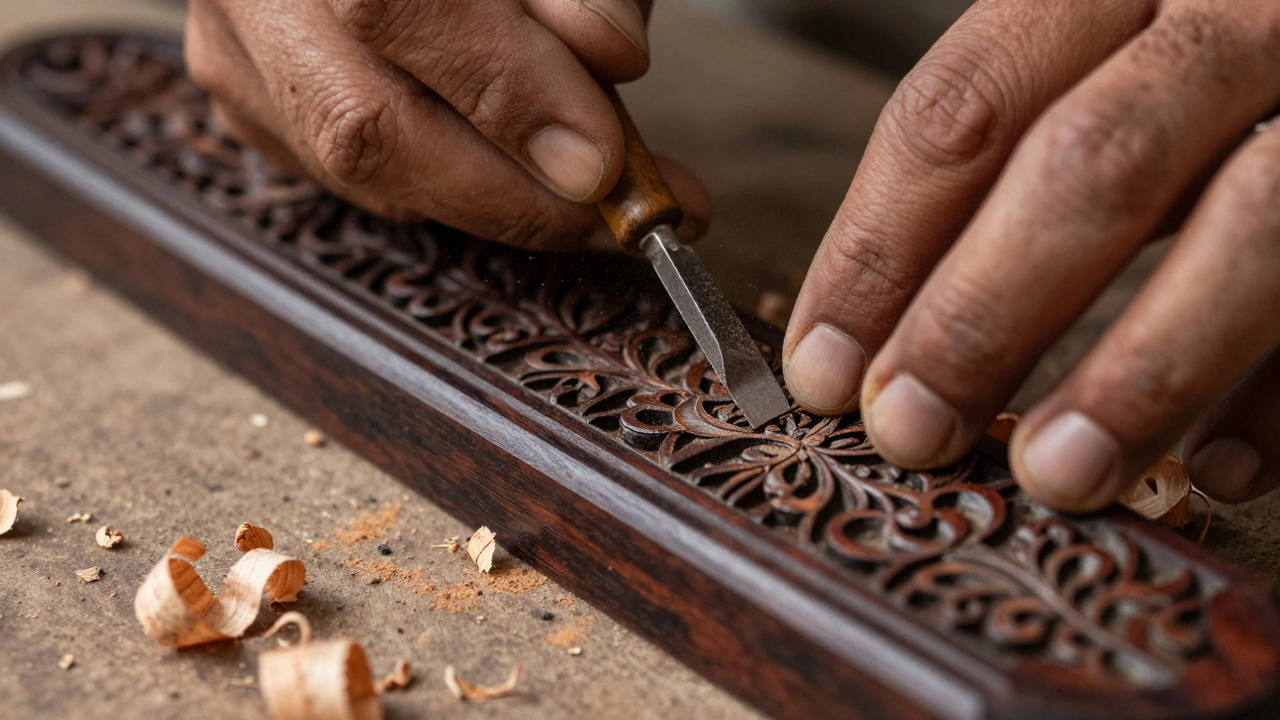
Craftsmanship Depth: Look at the joints. Are they glued and nailed? Or are they mortise-and-tenon joined, a technique that has held furniture together for millennia? Hand-carved details, smooth sanding, and multi-layer lacquer finishes are hallmarks of top-tier makers.
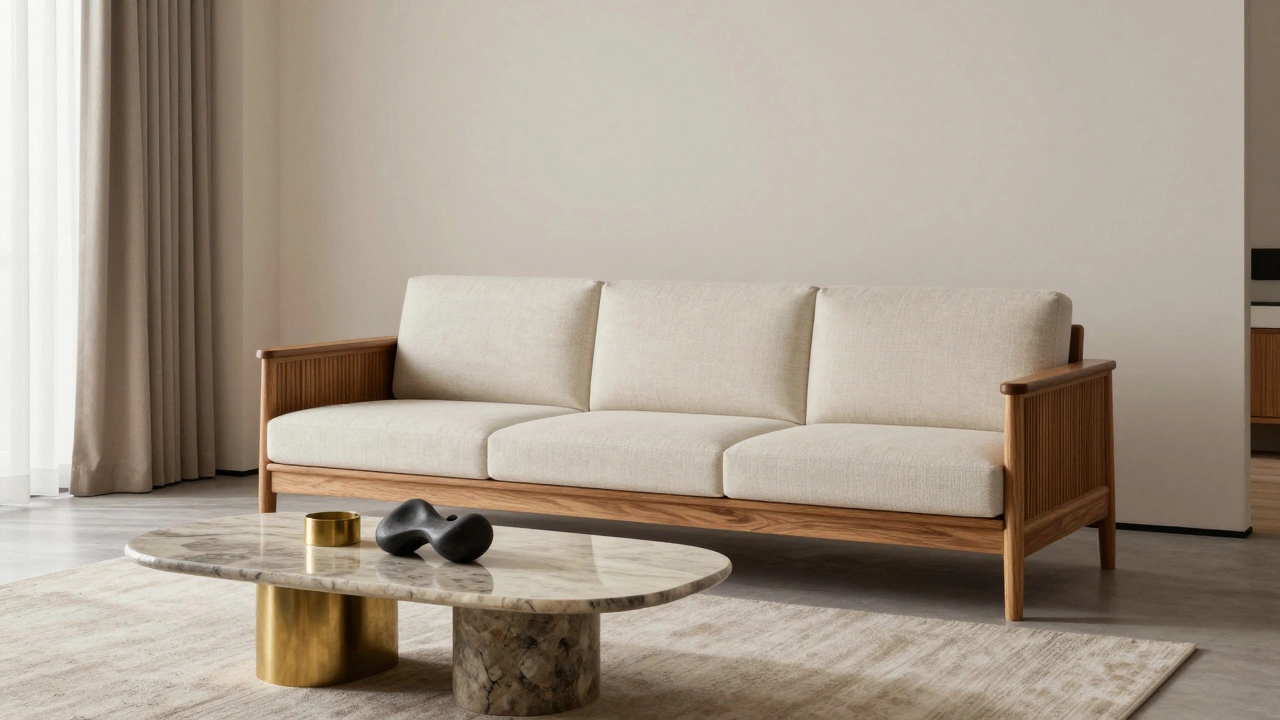
Design Originality: Mass-market brands copy trends. High-end makers set them. They hire renowned designers, collaborate with artists, and create pieces that are functional art. Think of a coffee table that doubles as a sculpture.
The Artisan Behind the Brand
Behind every luxury brand is a network of skilled artisans. In India, these craftsmen are often part of generational lineages. A carver in Jodhpur might have learned his trade from his father, who learned from his grandfather. This continuity ensures that techniques aren’t lost.
However, this reliance on human skill means production is slow. A single hand-carved cabinet can take weeks to complete. This scarcity adds to the value. When you buy from a high-end maker, you’re paying for hours of human attention, not just machine output.
Many leading brands now highlight their artisan partnerships. They provide fair wages, safe working conditions, and creative freedom. This ethical dimension is increasingly important to buyers who want their purchases to support sustainable livelihoods.
Sourcing Tips: How to Find Quality
Finding the right high-end furniture maker isn’t just about browsing websites. Here’s how to navigate the market:
Visit Showrooms: Nothing replaces touching the wood. Feel the weight, check the edges, and sit on the chairs. High-end furniture should feel substantial, not hollow.
Ask About Provenance: Where does the wood come from? Is it sustainably sourced? Reputable makers will be transparent about their supply chain.
Check for Customization: True luxury is personalized. Can they change the dimensions, fabric, or finish to suit your space? If the answer is no, it’s likely not a bespoke maker.
Look for Warranties: High-end furniture should come with a warranty that covers structural integrity. Ten years or more is standard for quality makers.
Read Reviews Beyond Price: Look for comments on durability, customer service, and after-sales support. Did the delivery team handle the piece with care? Was installation professional?
Trends Shaping the Industry in 2026
The luxury furniture landscape in India is evolving. Sustainability is no longer a buzzword; it’s a requirement. Buyers want eco-friendly finishes, reclaimed wood, and minimal waste production. Brands that ignore this are losing relevance.
Another trend is the fusion of technology and tradition. Some makers are using 3D modeling to design complex carvings that are then executed by hand. This allows for unprecedented precision while retaining the human touch.
Global collaboration is also on the rise. Indian makers are partnering with European and American designers to create cross-cultural pieces. These collaborations bring fresh perspectives to traditional Indian craftsmanship, resulting in unique, globally appealing designs.
Investing in Heirloom Pieces
When you invest in high-end furniture, you’re buying for life. A well-made teak dining table can serve three generations. It develops a patina, telling the story of meals shared, celebrations hosted, and time passed.
This longevity makes cost-per-use a better metric than upfront price. A ₹50,000 sofa that lasts five years costs more annually than a ₹2,00,000 sofa that lasts twenty. High-end makers build for the latter scenario.
Moreover, these pieces often retain or increase in value. Limited edition collaborations or pieces made by renowned designers can become collectibles. It’s not just decor; it’s an asset.
Challenges Facing Artisans
Despite the demand, high-end furniture makers face challenges. Skilled labor is hard to find. Younger generations are moving away from manual trades, leading to a shortage of master carpenters and carvers.
Rising material costs also impact pricing. Sustainable timber is becoming more expensive due to stricter regulations. Makers must balance affordability with quality, often passing costs to consumers.
Yet, these challenges drive innovation. Makers are exploring alternative materials like bamboo and engineered woods that mimic hardwoods without the environmental toll. They’re also investing in training programs to nurture new talent.
Who are the best high-end furniture makers in India?
Top names include Ashley Burton for modern luxury, Habitat for artisanal design, and D'Decor for heritage styles. Smaller bespoke workshops in Jodhpur and Kolkata also offer exceptional custom pieces.
How much does high-end furniture cost in India?
Prices vary widely. A luxury dining set can start at ₹1 lakh and go up to ₹10 lakhs or more for bespoke pieces. Sofas typically range from ₹50,000 to ₹5 lakhs depending on materials and brand.
Where is the best place to buy luxury furniture in India?
Mumbai, Delhi, and Bangalore have major showrooms for national brands. For artisanal pieces, visit Jodhpur or Jaipur. Online platforms also offer curated selections from top makers.
Is Indian furniture durable?
Yes, especially when made from solid teak or sheesham. Indian hardwoods are known for their strength and resistance to termites and moisture, making them ideal for long-lasting furniture.
Can I customize high-end furniture in India?
Most high-end makers offer customization options, including size, fabric, wood type, and finish. Bespoke services allow for fully tailored designs to fit specific spaces and preferences.