Indian Fabric Market Matcher
Select your business parameters below to see which fabrics align with current market trends in India (2026 estimates).
You walk into a textile mill in Surat or Tirupur, and the air hums with machines churning out meters of fabric. But which meters? If you are a manufacturer, investor, or retailer trying to guess what will fly off the shelves next season, you might be looking at the wrong data. It is not just about what people buy; it is about what they wear every single day, in every climate zone, across a billion-plus population.
The question "Which cloth is most demanding in India?" doesn't have a single answer like "blue denim." It depends on whether you mean volume, value, or growth rate. However, if we look at the hard numbers from the Ministry of Textiles and industry reports for 2026, one material dominates the landscape by sheer weight and ubiquity: Cotton remains the undisputed king of Indian textiles, accounting for nearly 50% of total fiber consumption. But here is the twist: while cotton holds the throne, synthetic blends are stealing the crown in specific high-growth segments like activewear and fast fashion.
| Fabric Type | Market Share (%) | Primary Use Case | Growth Trend |
|---|---|---|---|
| Cotton | ~48% | Everyday apparel, home textiles | Stable / Slow Growth |
| Polyester & Blends | ~35% | Activewear, uniforms, budget fashion | Rapid Growth |
| Viscose & Rayon | ~10% | Dresses, semi-formal wear | Moderate Growth |
| Silk & Wool | ~7% | Festive, luxury, winter wear | Niche / Premium |
Why Cotton Still Rules the Roost
Let’s be real: India is hot. For most of the year, temperatures hover above 30°C in major urban centers. This climatic reality makes breathability non-negotiable. Cotton is a natural fiber that offers superior moisture-wicking properties and thermal regulation compared to synthetics. When you touch a pure cotton kurta versus a polyester shirt after walking outside in Mumbai humidity, the difference isn’t subtle-it’s physical discomfort versus comfort.
Manufacturers in Gujarat and Tamil Nadu rely heavily on this preference. The supply chain for cotton is deeply entrenched. From the farmer in Vidarbha to the spinner in Coimbatore, the ecosystem is built around this crop. But don’t mistake stability for lack of innovation. The demand has shifted from generic low-count yarns to premium organic cotton and long-staple varieties used in high-end retail brands like FabIndia or global chains like Uniqlo. If you are starting a manufacturing unit today, betting on standard commodity cotton is risky because margins are thin. The money is in branded, traceable, and sustainable cotton products.
The Synthetic Surge: Polyester’s Quiet Takeover
If cotton is the traditionalist, polyester is the disruptor. You might think Indians hate synthetics because they trap heat, but that was true twenty years ago. Modern microfiber technology changed the game. Today, Polyester is a synthetic polymer fiber known for durability, wrinkle resistance, and cost-effectiveness. It dominates the uniform market-think school kids, security guards, and corporate staff who need clothes that survive daily washing without fading.
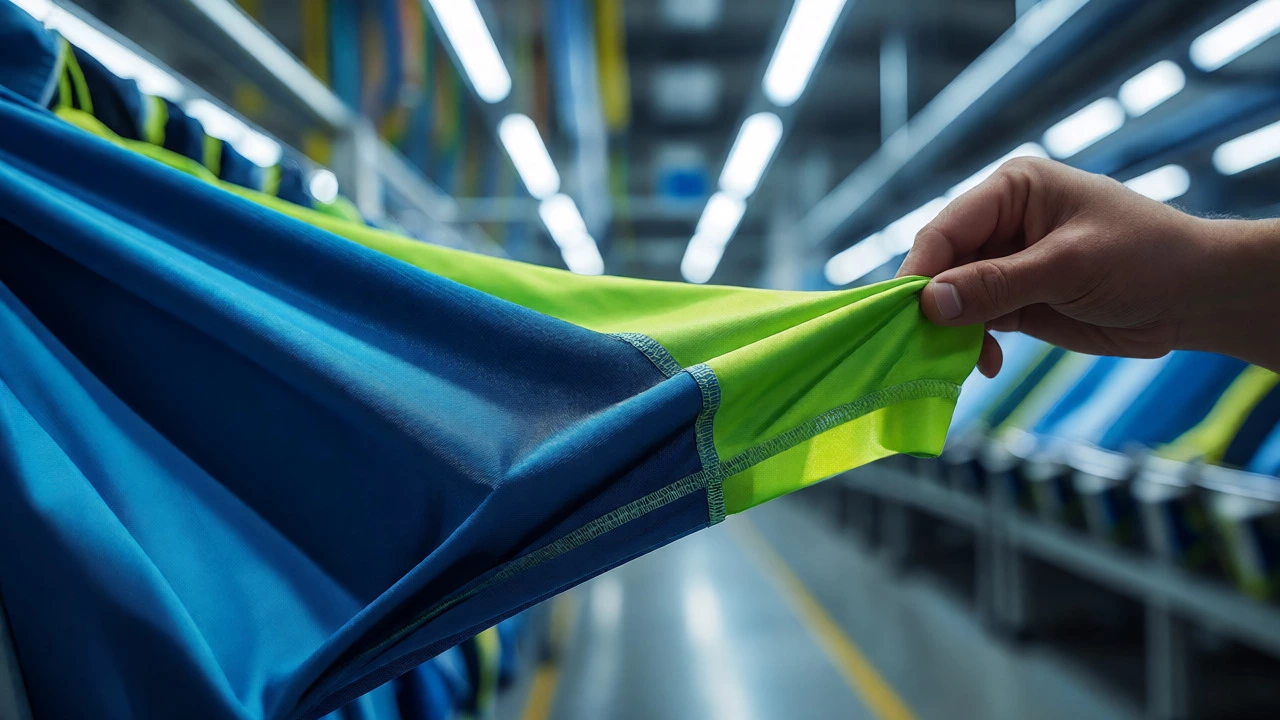
Look at the rise of athleisure. Brands like Decathlon and local startups selling gym wear rely almost entirely on polyester-spandex blends. Why? Because cotton absorbs sweat and gets heavy. Polyester wicks it away and dries in minutes. This segment is growing at double-digit rates annually. For manufacturers, this means investing in knitting machines capable of handling fine denier filaments rather than just heavy cotton looms. The barrier to entry is lower, but competition is fierce. You aren’t just competing with other Indian mills; you’re fighting cheap imports from Vietnam and Bangladesh.
Viscose and Rayon: The Middle-Class Favorite
There is a sweet spot between the rustic feel of cotton and the sleek look of silk. That’s where viscose, also known as rayon, fits in. It’s made from wood pulp, making it semi-synthetic. It drapes beautifully, feels cool to the touch, and costs significantly less than silk. This combination makes it the go-to choice for women’s ethnic wear in tier-2 and tier-3 cities.
Walk through any wholesale market in Delhi’s Chandni Chowk or Kolkata’s Gariahat, and you’ll see mountains of viscose sarees and kurtis. The demand here is driven by aesthetics and price sensitivity. Consumers want something that looks expensive but doesn’t break the bank. However, viscose has a weakness: it wrinkles easily and loses strength when wet. Manufacturers who solve this problem-through anti-wrinkle treatments or blending with elastane-see higher retention rates among buyers. If you are targeting the mass-market female demographic, viscose blends offer better margins than pure cotton due to lower raw material costs and perceived higher value.
The Luxury Niche: Silk and Handloom Revival
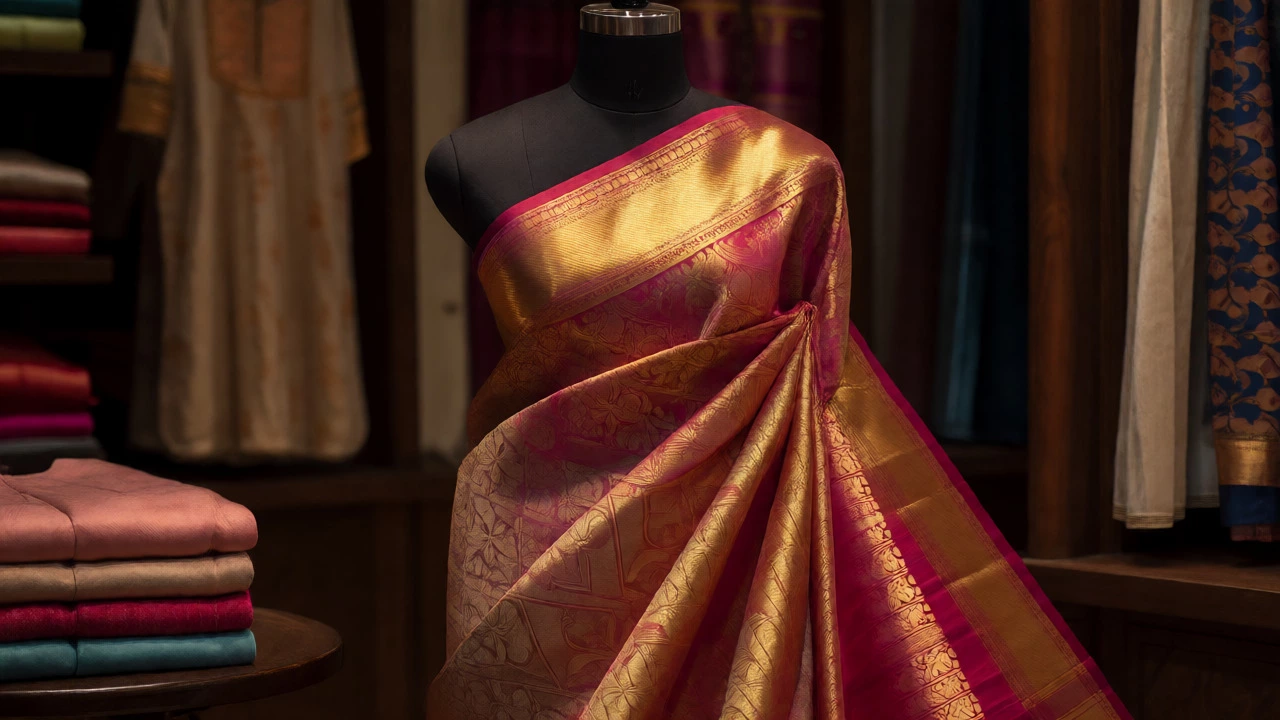
While cotton and polyester move volumes, silk moves prestige. India is the second-largest producer of silk globally, right behind China. But unlike cotton, silk demand is highly seasonal and festival-driven. Sales spike during Diwali, Durga Puja, and wedding seasons. Mulberry Silk is the highest quality silk produced by Bombyx mori silkworms, prized for its smooth texture and luster. It commands premium prices, often ranging from ₹2,000 to over ₹10,000 per meter depending on the weave.
What’s interesting in 2026 is the revival of handloom sectors. Government initiatives under the Powerloom Sector Development Program have helped small-scale weavers compete with power looms. There is a growing consciousness among urban consumers about supporting artisans. Buying a handwoven Banarasi or Kanchipuram silk saree isn’t just a purchase; it’s an ethical statement. For manufacturers, this niche requires different skills-quality control is harder, supply chains are fragmented, but customer loyalty is incredibly high. Once a brand establishes trust in authentic silk, customers rarely switch.
Regional Variations Matter
You cannot treat India as a single market. What sells in Rajasthan won’t necessarily sell in Kerala. In North India, winter brings a massive surge in woolen blends and heavy cottons. In South India, lightweight cottons and silk dominate year-round. East India has a strong preference for handloom cottons like Tant and Muslin. West India, particularly Gujarat, is the hub for both cotton production and synthetic trading.
If you are planning distribution, tailor your inventory. Stocking heavy sweaters in Chennai is a waste of capital. Similarly, pushing thick woolens in Hyderabad summers will leave you with dead stock. Successful distributors use localized data. They track temperature patterns and festival calendars for each region. This hyper-local approach reduces returns and increases turnover speed.
Sustainability Is No Longer Optional
A decade ago, sustainability was a buzzword for export-oriented units. Now, domestic consumers care too. Gen Z shoppers actively check labels for organic certifications or recycled content. This shift impacts manufacturing decisions directly. Using recycled polyester (rPET) instead of virgin polyester can command a 10-15% price premium. Organic cotton farming, though more labor-intensive, meets the demand from eco-conscious brands.
Regulations are tightening too. The Zero Liquid Discharge (ZLD) norms in states like Tamil Nadu and Maharashtra force factories to invest in water treatment plants. Smaller units that can’t afford this tech are shutting down, consolidating market share among larger, compliant players. If you enter the market now, factor in these compliance costs upfront. Ignoring them leads to sudden shutdowns mid-season.
Key Takeaways for Decision Makers
- Cotton remains the volume leader due to climate suitability and cultural habits, but margins are compressed.
- Polyester blends offer the fastest growth potential, especially in activewear and institutional uniforms.
- Viscose captures the middle-class desire for affordable elegance, particularly in women’s ethnic wear.
- Silk provides high-margin opportunities in festive and luxury segments but requires careful supply chain management.
- Regional customization is critical; a one-size-fits-all national strategy fails in diverse climates.
Is cotton still profitable for new manufacturers?
Yes, but only if you focus on value-added products. Commodity cotton faces stiff competition and low margins. Profitability comes from processing techniques like mercerization, printing, or branding. Focusing on organic or certified fair-trade cotton also opens up premium export and domestic markets.
Why is polyester gaining popularity despite the heat?
Modern polyester technologies, such as microfibers and moisture-wicking finishes, have mitigated the heat issue. Additionally, polyester is cheaper, more durable, and easier to maintain than cotton. Its dominance in sportswear and uniforms drives significant volume, making it attractive for manufacturers seeking scale.
Which fabric has the highest profit margin in India?
Silk typically offers the highest gross margins due to its luxury positioning and limited supply. However, net profits depend on operational efficiency. Specialty technical fabrics and branded organic cottons also yield high margins, whereas bulk polyester and standard cotton operate on thinner margins due to high competition.
How do government schemes affect fabric demand?
Schemes like PLI (Production Linked Incentive) for textiles encourage modernization and capacity expansion, particularly for man-made fibers (MMF). This boosts domestic production of polyester and viscose, reducing import dependence. Subsidies for handlooms help sustain artisanal silk and cotton sectors, preserving niche demand.
What is the future of blended fabrics in India?
Blended fabrics are projected to grow significantly. Combining cotton with polyester or spandex leverages the comfort of natural fibers with the durability and stretch of synthetics. This hybrid approach meets consumer demands for versatility and performance, making it a key area for R&D and product development.