India Electronics Import Risk Simulator
Primary Exports to India
Components, PCBs, Batteries, Finished Goods
Key Advantage
Cost efficiency, scale, speed
Strategic Risks
- Geopolitical tension
- Supply chain concentration
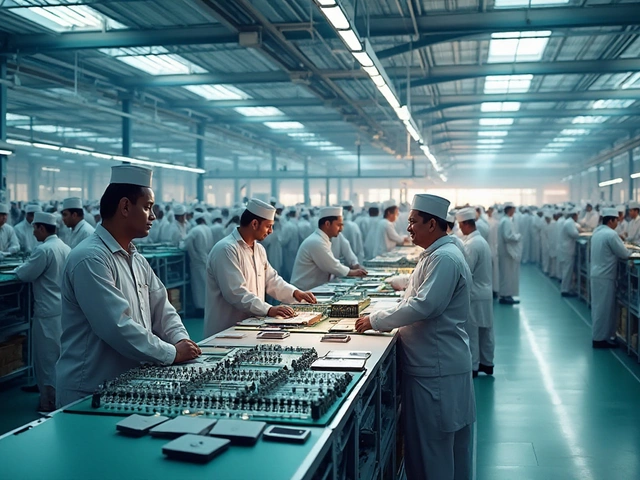
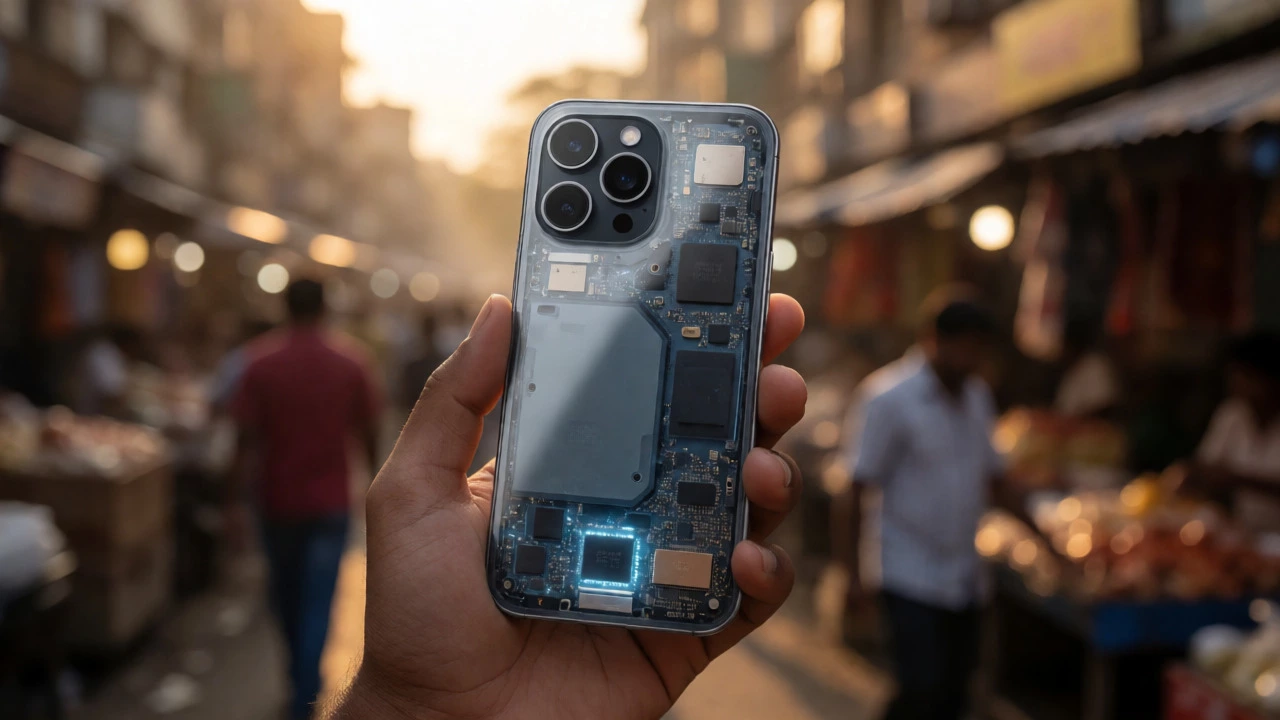
You walk into a store in Mumbai or Delhi and pick up a smartphone. The brand might be Samsung, Apple, or Xiaomi, but look closer at the box. There’s a good chance it says "Made in India." But does that mean every screw, screen, and chip was made here? Not even close. While India has become a global assembly hub, the backbone of our electronics industry-components like semiconductors, displays, and printed circuit boards-is still heavily imported.
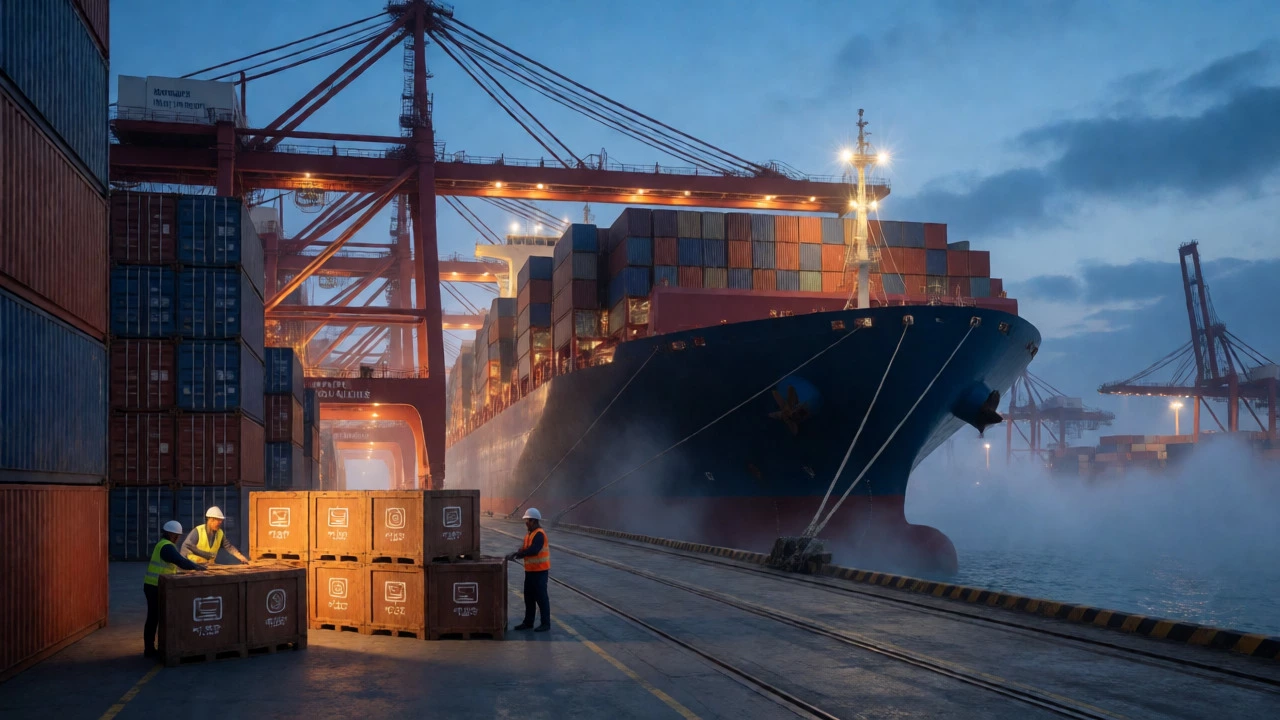
This creates a tricky situation for policymakers and business owners alike. We are assembling more than ever, yet our trade deficit in electronics keeps growing because we buy the expensive parts from abroad. If you’re in manufacturing, retail, or tech investment, understanding exactly where India imports electronics from isn’t just trivia-it’s critical for supply chain planning. Let’s break down who is actually sending these goods to Indian ports and why the map looks the way it does.
The Big Player: China’s Dominance
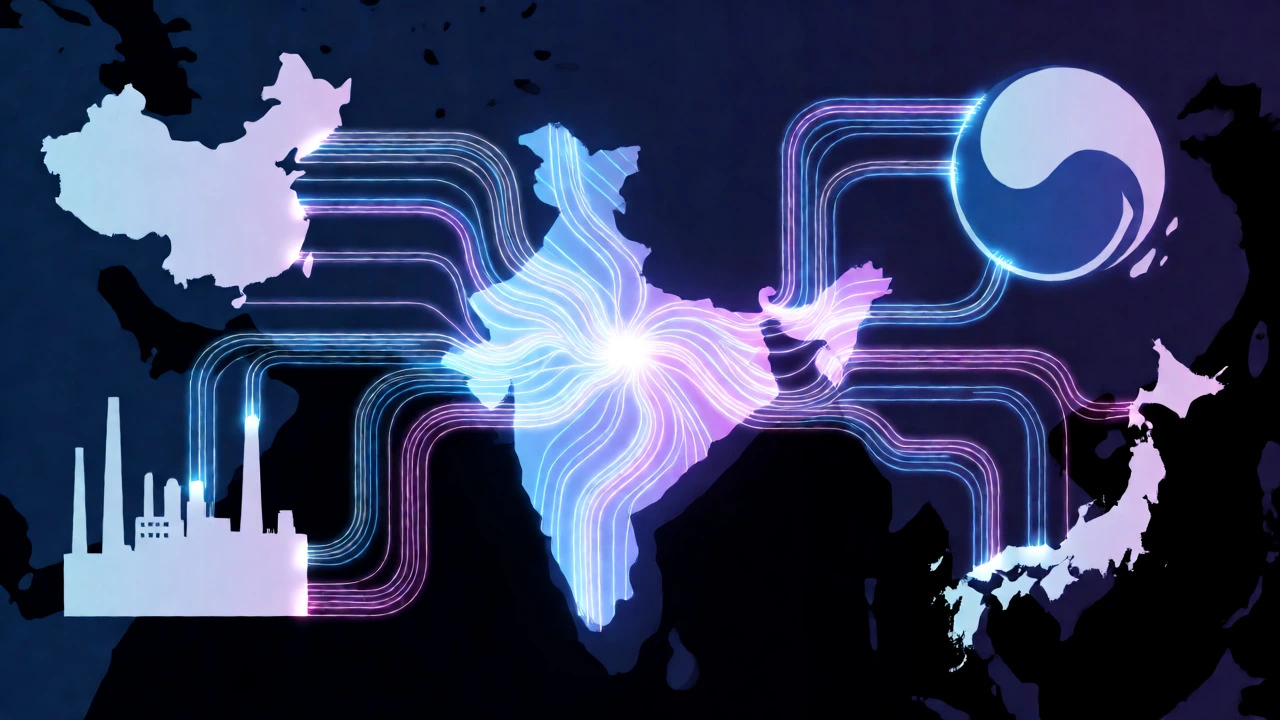
Let’s address the elephant in the room first. China remains India’s largest source of electronic imports by a wide margin. Despite political tensions and efforts to diversify, Chinese components account for roughly 40-50% of India’s total electronics imports depending on the specific year and category. Why so high? It comes down to ecosystem density. In Shenzhen or Dongguan, a manufacturer can find suppliers for capacitors, resistors, and custom molds within a 10-kilometer radius. Try finding that speed and variety in one place elsewhere, and you’ll struggle.
For Indian assemblers, this dependency is a double-edged sword. On one hand, costs are low, and lead times are short. On the other, any disruption in shipping lanes or a diplomatic spat sends prices spiking overnight. Recent data from the Directorate General of Foreign Trade (DGFT) shows that while finished goods imports from China have dipped slightly due to local assembly mandates, component imports remain robust. You aren’t buying phones from China anymore; you’re buying the guts of those phones.
Southeast Asia: The Rising Alternative
If China is the incumbent king, Vietnam is the challenger gaining real traction. Thanks to the China Plus One strategy, many global brands are shifting final assembly and some component production to Vietnam. Consequently, Vietnam has climbed rapidly to become one of India’s top three sources for electronics. This shift isn’t just about politics; it’s about tariff advantages under various free trade agreements and lower labor costs compared to coastal China.
Vietnam’s strength lies in consumer electronics assembly and increasingly in semiconductor packaging. For Indian companies looking to de-risk their supply chains, Vietnam offers a compelling middle ground. It’s geographically closer than Europe or the US, reducing freight costs, but it provides an alternative to the single-point-of-failure risk associated with relying solely on China. However, don’t expect Vietnam to replace China entirely. Their industrial base is smaller, and they often rely on raw materials from... you guessed it, China.
South Korea and Japan: The High-End Specialists
While China and Vietnam handle volume, South Korea and Japan dominate the high-value, high-tech segment. These two nations are indispensable when it comes to display panels, memory chips, and advanced sensors. If your product has a high-resolution OLED screen or fast NAND flash storage, there’s a very high probability it came from Samsung or SK Hynix in South Korea, or Sony and Toshiba in Japan.
Japan’s role is particularly nuanced. Japanese firms are less likely to send finished gadgets to India and more likely to export capital goods and specialized machinery used in Indian factories. They are also key players in the semiconductor equipment sector. As India pushes to build its own fabs, Japanese technology transfer will be crucial. South Korea, meanwhile, faces direct competition from Chinese manufacturers but maintains a premium position through superior R&D and quality consistency. For Indian manufacturers, sourcing from these countries means paying a premium, but getting reliability that matters for flagship products.
The United States: Chips and Software Infrastructure
The US enters the picture primarily through semiconductors and software-integrated hardware. American firms like Intel, Qualcomm, and Texas Instruments design the architectures that power most modern devices. While actual fabrication happens globally, the intellectual property and high-end chip designs originate in Silicon Valley and Austin. India imports significant value in integrated circuits (ICs) from the US.
Furthermore, the US is becoming a strategic partner in the broader electronics ecosystem. Initiatives like the iCET (Initiative on Critical and Emerging Technology) aim to boost semiconductor collaboration. For businesses, this means that while you might not see crates of US-made TVs arriving in Chennai, you are importing the brainpower and silicon logic that makes those TVs smart. The dollar value of US electronics exports to India is substantial, driven largely by these high-margin components rather than bulky consumer goods.
| Country | Primary Exports to India | Key Advantage | Strategic Risk |
|---|---|---|---|
| China | Components, PCBs, Batteries, Finished Goods | Cost efficiency, scale, speed | Geopolitical tension, supply chain concentration |
| Vietnam | Assembled Devices, Cables, Casings | Diversification, lower tariffs | Limited component depth |
| South Korea | Displays, Memory Chips, Sensors | Technology leadership, quality | High cost, limited capacity expansion |
| Japan | Machinery, Semiconductors, Capacitors | Precision engineering, reliability | Slow innovation cycles in some sectors |
| United States | Integrated Circuits, IP, Specialized Hardware | Innovation, software integration | Export controls, regulatory complexity |
Why the Map Looks Like This
You might wonder why India doesn’t just make everything locally if we’re such a big market. The answer lies in the complexity of the electronics supply chain. Making a smartphone involves over 1,000 components sourced from dozens of countries. No single nation, not even China, produces every single part domestically. India is currently strong in final assembly-putting the pieces together-but weak in upstream manufacturing like wafer fabrication and precision optics.
The Production Linked Incentive (PLI) scheme is trying to fix this. By offering cash incentives to companies that manufacture locally, the government hopes to pull more of this value chain onto Indian soil. Early results show promise in mobile phone assembly, where domestic value addition has risen from around 15% to nearly 30% in some cases. But moving up the ladder to making screens and chips requires billions in capital expenditure and years of technical training. Until then, the import map will remain heavily weighted toward East Asia.
What This Means for Your Business
If you run an electronics business in India, this import landscape dictates your margins and risks. Here is how to navigate it:
- Hedge Your Bets: Don’t rely on a single supplier country. If you buy screens from South Korea, ensure you have a backup option in China or potentially emerging players in Malaysia.
- Watch the Currency: Since most imports are priced in USD or Yuan, rupee volatility hits your bottom line hard. Consider hedging strategies for large procurement contracts.
- Leverage Free Trade Agreements: Keep an eye on negotiations with the EU and UK. Reduced tariffs could make European components more competitive against Asian alternatives.
- Plan for Localization: Identify which components you import most frequently. Can you find a local partner to make them? Even simple things like connectors or casings offer opportunities for local sourcing to cut logistics costs.
Frequently Asked Questions
Which country is the largest exporter of electronics to India?
China is currently the largest exporter of electronics to India, accounting for approximately 40-50% of total imports. This includes both finished goods and, more significantly, intermediate components like batteries, printed circuit boards, and screens required for local assembly.
Does India import smartphones from China?
The import of fully assembled smartphones from China has decreased significantly due to government policies encouraging local assembly. However, India still imports a vast majority of the components used to assemble these phones in India from China. So, while the final product may say 'Made in India,' the core ingredients often originate in China.
How does the PLI scheme affect electronics imports?
The Production Linked Incentive (PLI) scheme aims to reduce imports by incentivizing local manufacturing. It has successfully boosted domestic assembly of mobile phones and white goods. Over time, as local component manufacturing matures, the reliance on imported parts should decrease, though this transition takes several years due to the high capital requirements of component fabrication.
Are there alternatives to China for electronics components?
Yes, Vietnam, Malaysia, and Thailand are growing alternatives for certain components and assembly processes. South Korea and Japan remain critical for high-end displays and semiconductors, while the United States supplies specialized integrated circuits and intellectual property. Diversifying across these regions helps mitigate geopolitical and supply chain risks.
What types of electronics does India import the most?
The highest value imports are typically Integrated Circuits (ICs), telecommunication equipment parts, and display panels. Other significant categories include lithium-ion batteries, printed circuit boards (PCBs), and specialized machinery for electronics manufacturing. These items form the critical inputs for India’s growing assembly sector.