Can You Get Rich from Startups? Real Odds in Manufacturing
Dec 1 2025
When we talk about small scale production, making goods in small batches using limited resources, often with local labor and materials. Also known as small scale manufacturing, it’s not about speed or volume—it’s about control, care, and connection. Unlike massive factories that churn out thousands of identical items, small scale production happens in workshops, garages, and family-run units. It’s the reason your neighbor makes handmade bricks, the local potter fires clay in a kiln, or the family workshop in Tamil Nadu builds custom metal brackets for farmers. This isn’t outdated—it’s essential.
Small scale production thrives because it answers questions big factories can’t: Can you make this in a specific size? Can you adjust the material for local weather? Can you fix it quickly when it breaks? In India, it’s the backbone of rural economies. Over 95% of manufacturing units here are small or micro-scale, according to government data. These businesses don’t need billion-dollar machines—they need skilled hands, smart design, and steady demand. They use local manufacturing, producing goods close to where they’re used, reducing transport costs and carbon footprint. They rely on cottage industry, traditional, home-based production often passed down through generations, and they survive by staying agile. When supply chains broke during the pandemic, it was these small units that kept building materials, tools, and even medicines flowing in small towns.
What makes small scale production powerful isn’t just its flexibility—it’s its ability to create real value without waste. A big factory might produce 10,000 bricks a day, but if one is cracked, 10,000 get tossed. A small producer makes 200, checks each one, and sells only the good ones. That’s why builders in rural India still prefer locally made bricks—they’re stronger, more consistent, and the maker will come fix a bad batch. It’s not nostalgia. It’s smart economics. And with rising costs, environmental concerns, and demand for personalized goods, more people are turning back to this model.
Below, you’ll find real stories, practical guides, and hard numbers on how small scale production works today—from the $1,000 manufacturing startups to the hidden champions making India’s most trusted building materials. No fluff. Just what works.
Dec

Learn the two main types of small scale production-job and batch-and how to choose the right one for your handmade or custom business. Real examples from UK makers.
Nov
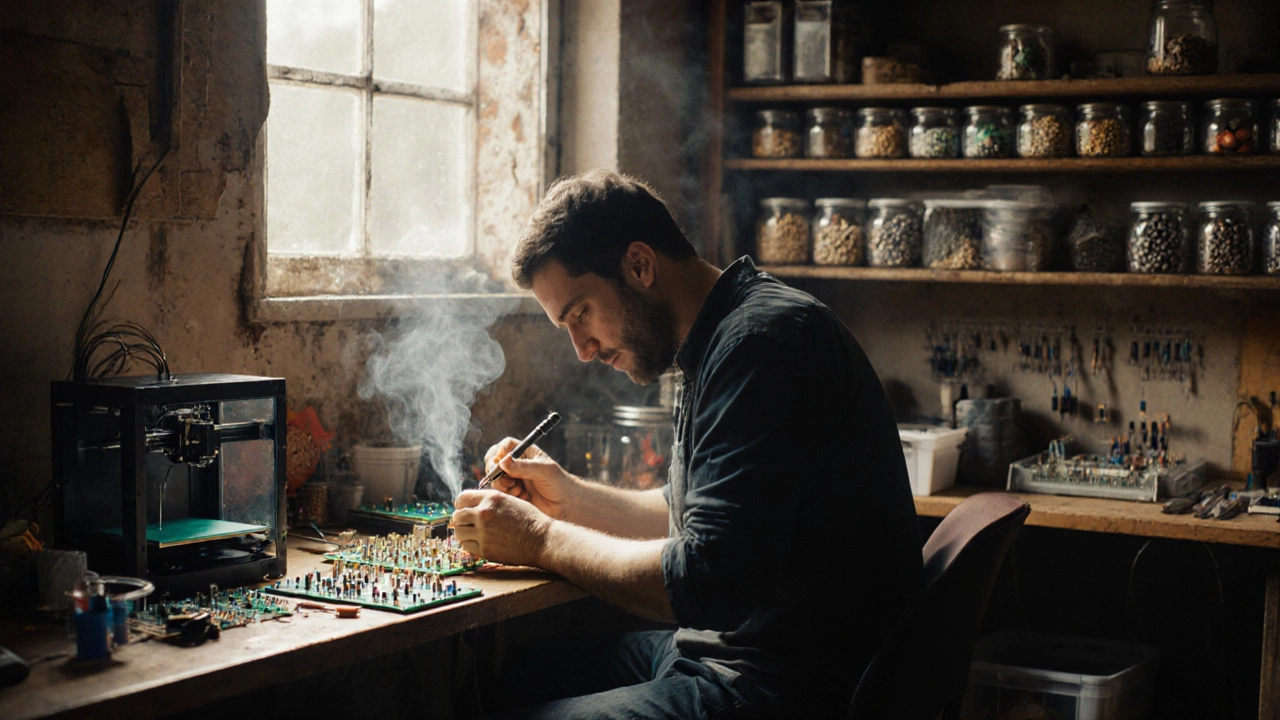
Small scale production isn't about size alone - it's about control, flexibility, and limited resources. Learn what truly defines it, how it differs from mass manufacturing, and why it's thriving across the UK.
Dec 1 2025

Oct 22 2025

Oct 11 2025

Oct 24 2025
Jan 30 2025