Exploring the 3 Main Types of Manufacturers
Feb 19 2025
When you run a small manufacturing business in India, government schemes, financial and operational support programs designed by Indian authorities to boost local industry. Also known as MSME schemes, these programs are often the difference between staying open and shutting down. They’re not just grants or subsidies—they’re lifelines for workshops, family-run factories, and startup makers who can’t afford big overheads.
These Make in India, a national initiative to turn India into a global manufacturing hub. Also known as national manufacturing policy, it pushes local production by offering tax breaks, easier loans, and help with certifications. Then there’s the Credit Linked Capital Subsidy Scheme, a program that gives small manufacturers up to 15% back on equipment purchases. Also known as CLCSS, it helps shops upgrade from manual tools to semi-automatic machines without taking on risky debt. And don’t forget the Pradhan Mantri Mudra Yojana, a loan program that gives up to ₹10 lakh to micro businesses with no collateral. Also known as Mudra loans, it has put working capital in the hands of thousands of brick makers, tool producers, and food processors who never had access to banks.
These schemes aren’t theoretical. They’re used every day by small factories in Uttar Pradesh, Tamil Nadu, and Gujarat. One brick manufacturer in Madhya Pradesh got a subsidy to buy a new kiln. A small electronics assembler in Hyderabad used a scheme to get ISO certified. A food processor in Punjab got a grant to install solar panels. These aren’t outliers—they’re normal outcomes of well-used programs. The trick isn’t finding them—it’s knowing which ones match your business size, location, and output. Some schemes need paperwork. Others are automatic. Some expire. Others renew yearly. And while big companies get headlines, it’s the small players who actually move the needle on jobs and local economies.
Below, you’ll find real stories and breakdowns of how small manufacturers in India are using these schemes to survive, scale, and sometimes even outpace bigger competitors. No fluff. Just what works, who qualifies, and how to get there.
Nov
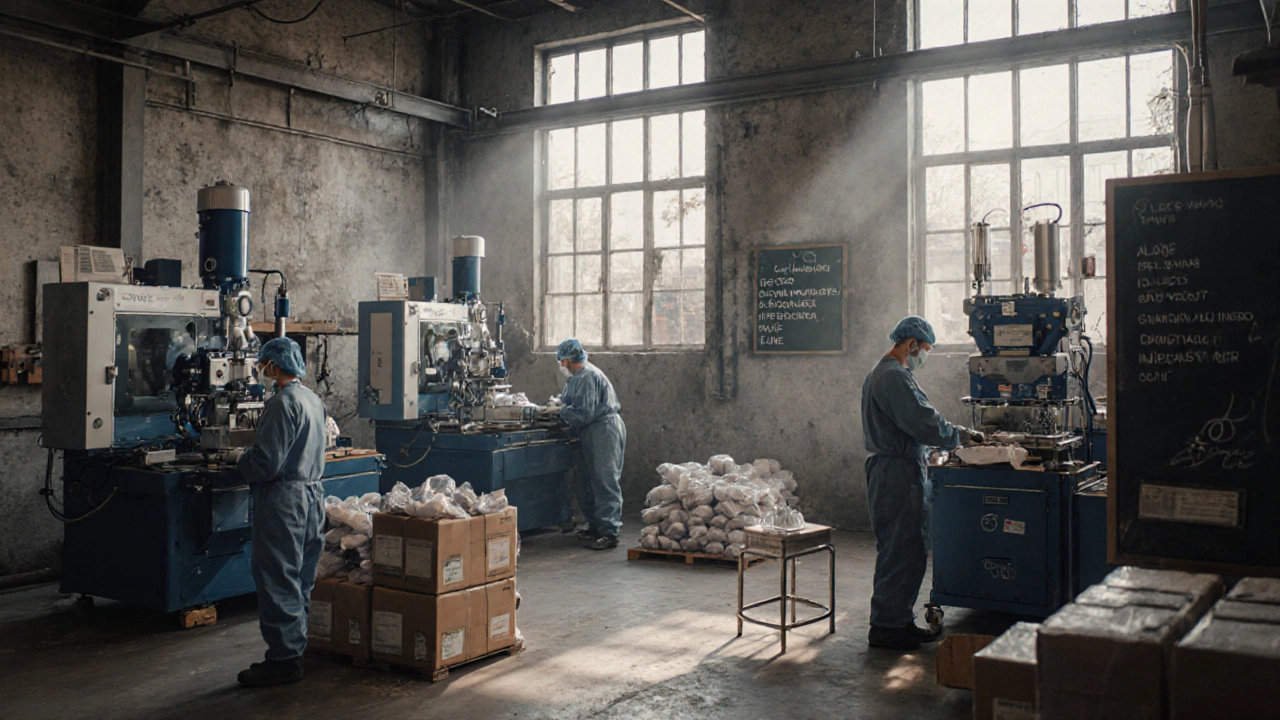
Local manufacturing proved its value during global supply chain crises, keeping jobs, quality, and supply lines intact. Government schemes helped small UK businesses bring production home-and it worked.
May
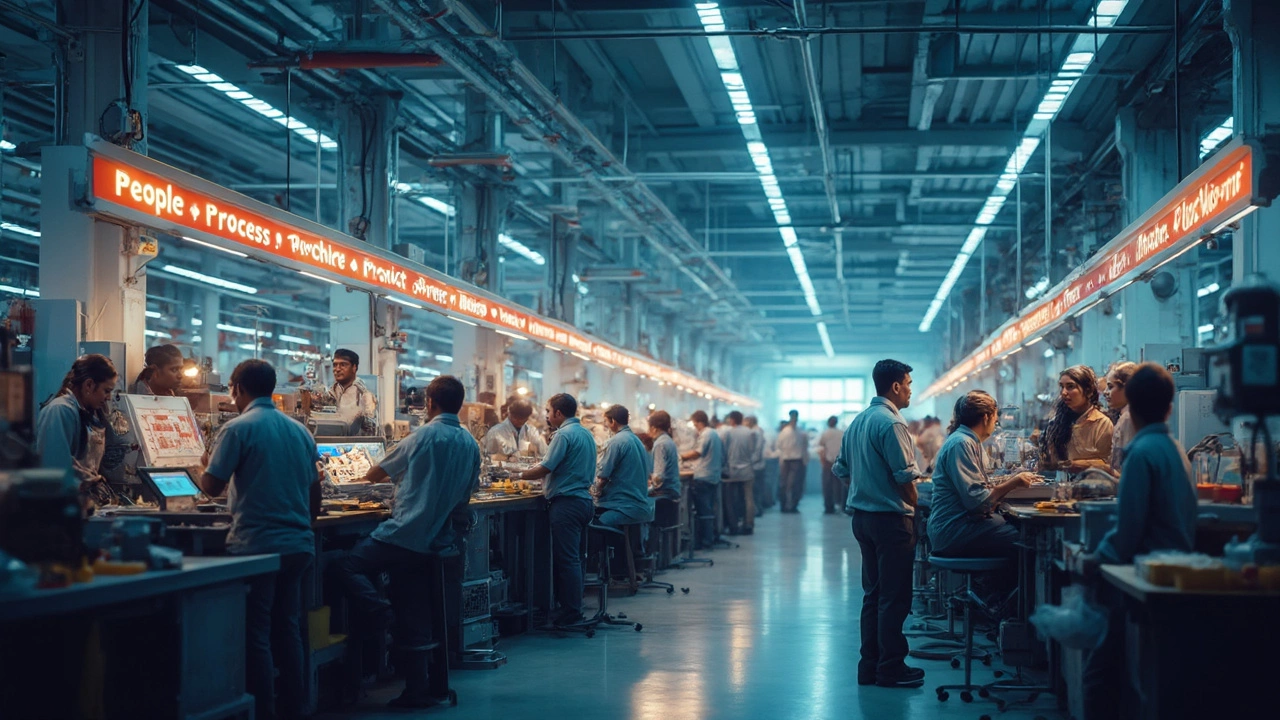
Curious about how the government boosts manufacturing? This article breaks down the 4 P manufacturing model, showing how schemes using People, Process, Product, and Partnership help businesses get ahead. It covers how public-private deals work, why each P matters, and real tips for factories and startups. Find out what works best in current policy and how you can grab the latest benefits. No jargon, just the real deal for manufacturers, managers, and anyone interested in industry growth.
Apr

Is the US really experiencing a manufacturing boom, or is it just hype? This article breaks down what's going on in American factories, how government programs play a role, and what it means for jobs and everyday life. You'll get the facts on new plants, who’s hiring, and where the money is actually going. By the end, you'll know if the hype matches reality. Plus, find out how these changes might affect your own wallet or career.
Apr

Discover what every dollar spent in manufacturing can accomplish, particularly through government schemes. This article explores how your tax dollars fuel innovation, create jobs, and stimulate economic growth. Understand the ripple effects of strategic investments and how they contribute to a vibrant manufacturing sector. Get a clear view of how focused spending transforms ideas into tangible benefits.
Mar

Discover the current powerhouse in global manufacturing, learn about the government schemes driving this dominance, and explore the latest industry trends. Understand who leads the world in production and what makes it possible in today's fast-paced global economy. Gain practical insights into how different countries implement strategies to remain competitive in the manufacturing sector.
Feb

Local manufacturing can revolutionize communities by creating job opportunities and fostering economic growth. Government schemes supporting local production can enhance infrastructure development, reduce unemployment, and improve living standards. Industries are encouraged to operate environmentally friendly to ensure sustainability. Consumers benefit from locally made goods which are often cheaper and more reliable, boosting local pride.
Jan
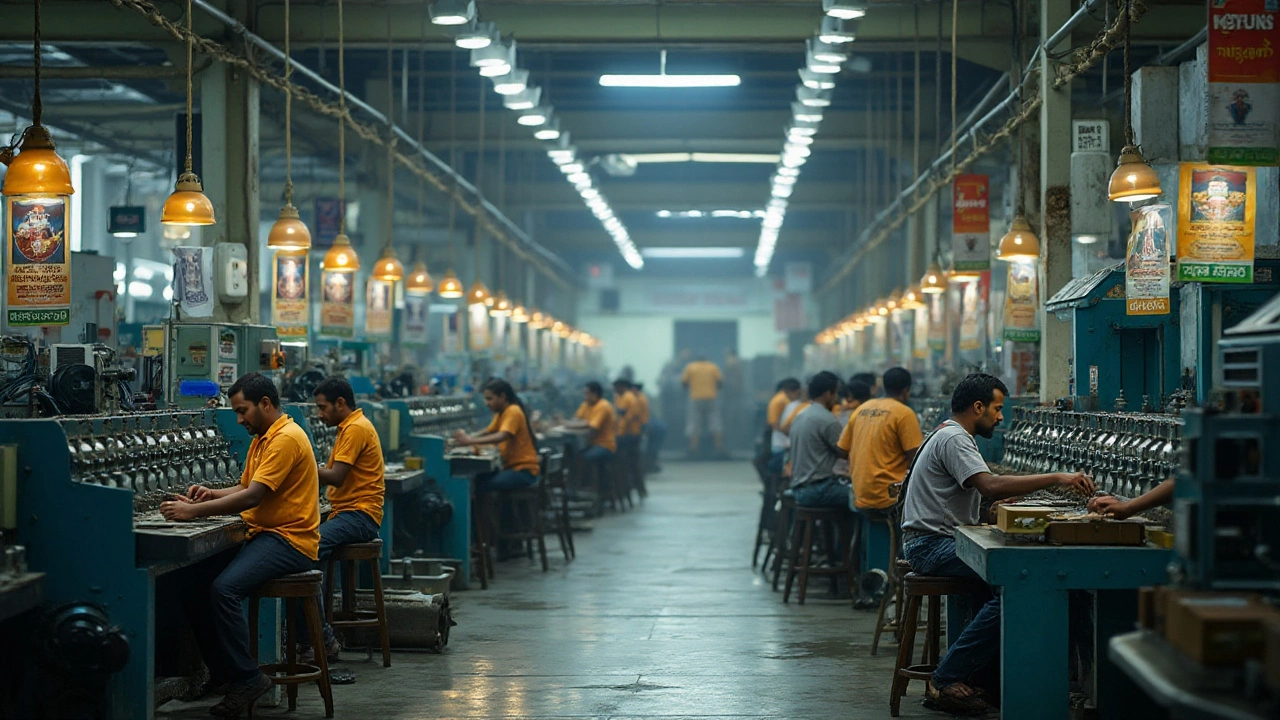
In today's globalized world, the manufacturing sector is a powerhouse of economic growth and stability. Different countries have carved their niches, leveraging both technology and skilled labor. This article explores the strongest manufacturing nations, analyzing how government schemes have played vital roles in boosting their industries. From technological innovations to favorable policies, understand what makes these countries leaders in manufacturing.

Feb 19 2025

Oct 8 2025

Jun 14 2025
May 7 2025
Oct 20 2025