Profit Calculator
Calculate Your Manufacturing Profit
Estimate your monthly and annual profit for low-investment manufacturing businesses using the values from the article.
Starting a manufacturing business doesn’t require millions in capital or a factory the size of a football field. In fact, some of the most profitable manufacturing businesses today run out of garages, backyards, or small workshops with under £10,000 in startup costs. The key isn’t scale-it’s focus. You don’t need to make everything. You need to make one thing really well, for a group of people who will pay for it.
Why Low-Investment Manufacturing Works Now
Five years ago, you needed a warehouse, a team of five, and a loan just to start making candles. Now? You can buy a $300 melter, a set of silicone molds, and 20 labels from Etsy. You can ship directly to customers via Amazon or your own website. The barriers are gone. Platforms like Shopify, Printful, and Alibaba let you design, produce, and sell without touching inventory until someone buys.
The real advantage? People want local, handmade, and customized. Big factories can’t move fast enough to meet that demand. A small shop that makes organic soap bars with lavender from Cornwall? That’s a niche with repeat buyers. A business that prints custom phone cases with local landmarks? That’s a gift shop waiting to happen.
Top 5 Low-Investment, High-Profit Manufacturing Ideas
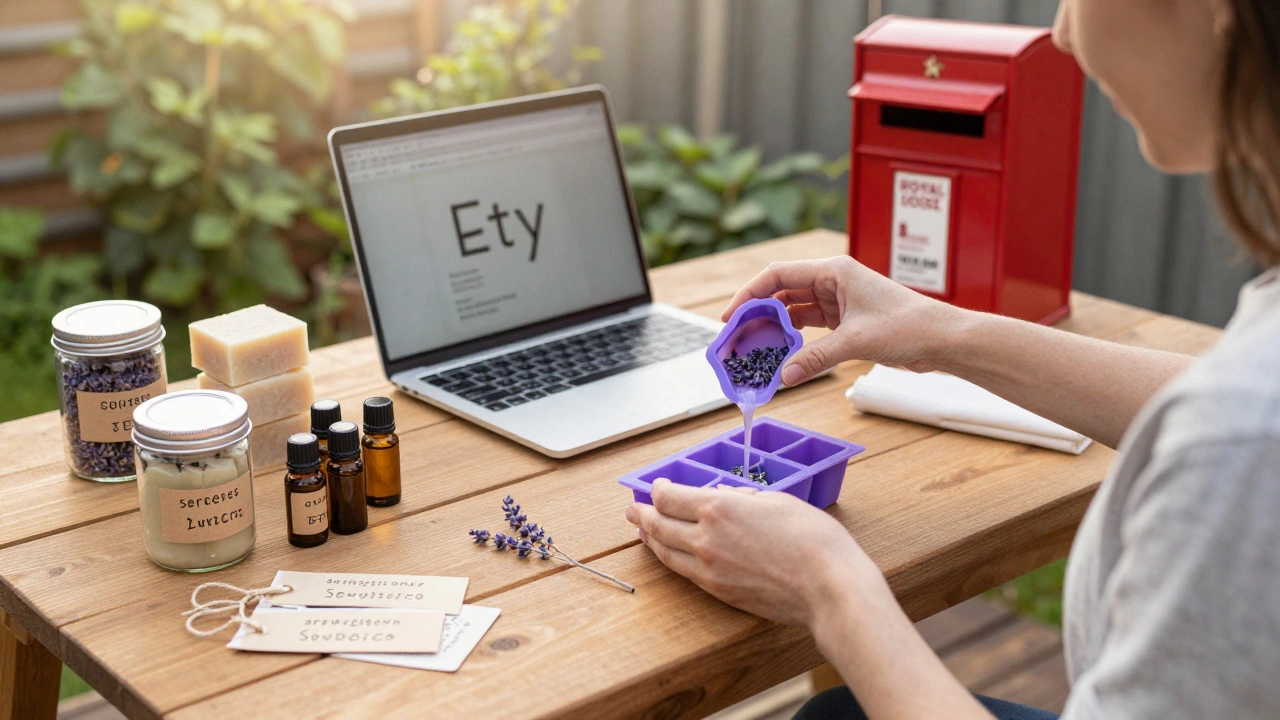
- Custom Soap and Bath Products - Start with glycerin base, essential oils, and molds. A single bar costs 80p to make. Sell for £5-£8. A 50-bar batch? £250 revenue, £150 profit. No licenses needed unless you make medical claims. You can scale to subscription boxes or sell at farmers’ markets.
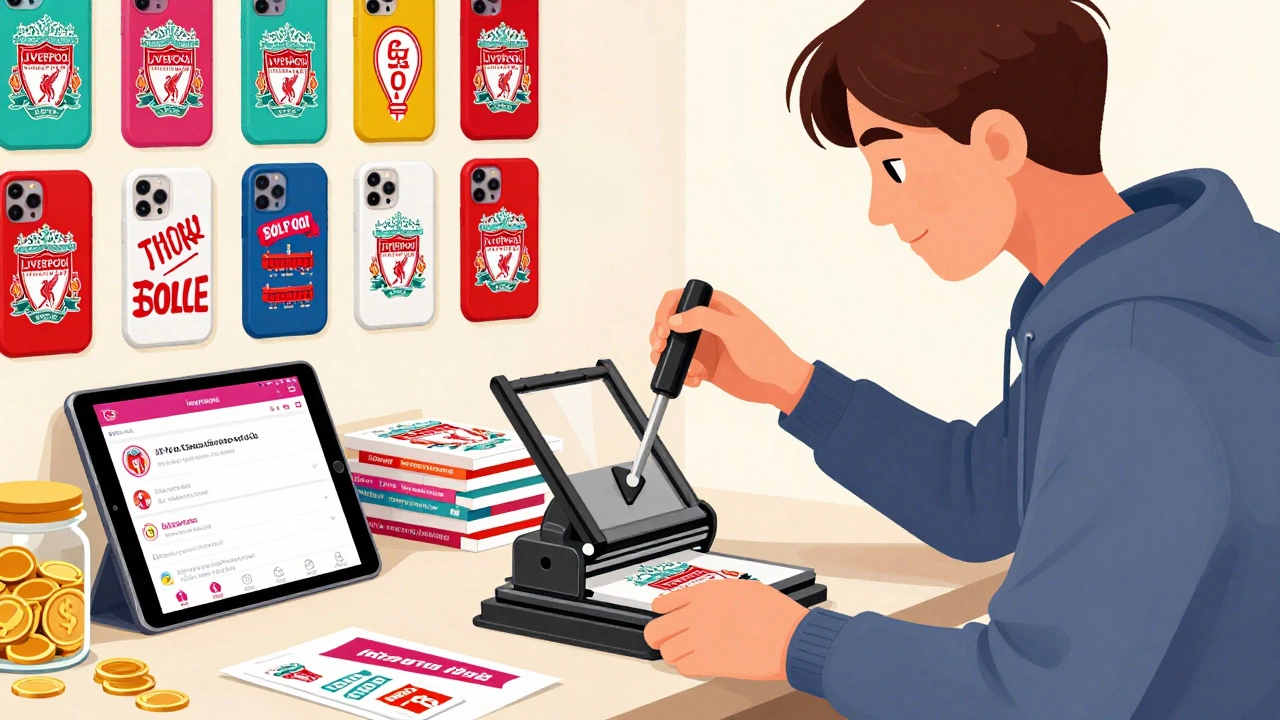
- Custom Printed Phone Cases - Buy a heat press (£200) and blank cases from AliExpress (£0.80 each). Design your own art using free tools like Canva. Sell on Etsy or Instagram. Profit per unit? £4-£6. You don’t need storage-ship directly after order. One designer in Liverpool made £12,000 last year selling cases with Liverpool FC and Anfield motifs.
- Handmade Candles and Wax Melts - Soy wax is cheap. Fragrance oils cost less than £10 a bottle. Molds? Silicone baking trays work. A 100g wax melt sells for £4.50. You can make 200 in a weekend. Sell them as gifts, holiday sets, or even to local cafes for their lobbies. No permits required unless you add herbs or claim aromatherapy benefits.
- Small-Batch Pickles and Chutneys - You don’t need a food factory. A kitchen, jars, vinegar, sugar, and spices are enough. Make small batches: mango chutney, spicy garlic pickle, or apple cider vinegar relish. Sell at local markets or online. A jar costs £1.20 to make. Sell for £6.50. Register with your local council for home food production (free in the UK). Many small producers earn £3,000-£8,000/month after six months.
- Custom Wooden Signs and Decor - Buy a laser engraver (under £1,000 secondhand) or use a CNC router. Source reclaimed wood from demolition sites or eBay. Engrave names, quotes, or local maps. Sell to new homeowners, wedding planners, or boutique hotels. A 12x18 inch sign costs £5 in materials. Sell for £45. One maker in Manchester sells 150 a month.
What Makes These Businesses Profitable?
It’s not just low cost. It’s high margins and repeat customers.
Take soap. A customer buys one bar. Then they love the scent. Next month, they buy the lavender version. Then they tell a friend. Then they sign up for a monthly box. That’s a customer worth £60 a year from one £5 sale. Compare that to a factory making phone chargers-where the profit per unit is 12p and customers never come back.
These businesses thrive on personalization. People pay more for something that feels made just for them. A name on a sign. A photo printed on a case. A scent that reminds them of their grandmother’s garden. That emotional connection is what drives pricing power.
Also, these businesses don’t need inventory. You make after you sell. That means no dead stock. No warehouse rent. No risk of unsold units rotting or going out of style.
What to Avoid
Not all small manufacturing is easy money. Stay away from these traps:
- Electronics assembly - Even simple LED lights need safety certifications, imported components, and testing. You’ll spend more on compliance than profit.
- Plastic injection molding - The machines cost £50,000+. You need technical skills and a constant supply of pellets. Not low investment.
- Textile printing - Screen printing needs space, chemicals, and drying racks. It’s messy and regulated. Better to outsource printing and focus on design.
- Food with long shelf life - Canned goods require HACCP plans, lab testing, and special packaging. Too much red tape for beginners.
If you’re tempted by something that sounds ‘industrial,’ pause. The goal isn’t to look like a factory. It’s to look like a craftsperson.
How to Start in 7 Days
You don’t need a business plan. You need a prototype and one customer.
- Choose one idea from the list above. Pick the one you’d actually use yourself.
- Buy the cheapest version of the tools you need. Use YouTube tutorials to learn how.
- Make 10 units. Don’t overthink the packaging-use plain boxes or recycled paper.
- Post three photos on Instagram or Facebook. Tag local groups: ‘Liverpool handmade gifts,’ ‘UK soap lovers,’ etc.
- Offer the first three buyers 50% off if they post a review.
- Use the money from those sales to buy better supplies.
- Repeat. Don’t wait for perfect. Start messy. Improve after you sell.
One woman in Stoke started making soy candles in her kitchen. Day one: three sales. Day 30: 47 sales. Day 90: she hired a part-time helper. Now she ships nationwide. She didn’t wait for funding. She didn’t wait for a license. She just made something people wanted.
Real Numbers: What You Can Actually Earn
Let’s say you pick custom phone cases. Here’s what a realistic first year looks like:
| Item | Cost per Unit | Sell Price | Profit per Unit | Units Sold (Monthly) | Monthly Profit |
|---|---|---|---|---|---|
| Blank case (AliExpress) | £0.80 | £10.00 | £9.20 | 50 | £460 |
| Printing (heat press ink + labor) | £1.20 | ||||
| Shipping (Royal Mail) | £2.50 | ||||
| Total Cost | £4.50 | £10.00 | £5.50 | 50 | £275 |
| Annual Profit (50/month) | £3,300 | ||||
| Annual Profit (100/month) | £6,600 | ||||
| Annual Profit (200/month) | £13,200 | ||||
That’s not a startup. That’s a side hustle that can become a full-time income in under a year.
Where to Sell Without a Website
You don’t need a fancy site to start. Use what’s already out there:
- Etsy - Best for handmade, personalized goods. Buyers expect artisan prices.
- eBay - Good for bulk or lower-priced items. Use keywords like ‘handmade’ and ‘UK made’ to stand out.
- Facebook Marketplace - Local sales mean no shipping. Perfect for heavy items like wooden signs.
- Instagram - Post daily. Use local hashtags. DM customers to take orders.
- Local markets - Liverpool’s Bold Street Market or Manchester’s Northern Quarter stalls cost £20-£40 per weekend. You’ll get real feedback fast.
One maker in Leeds sells pickles at three weekly markets. She doesn’t have a website. She doesn’t do ads. She just shows up, samples, and lets people taste. Her sales? £1,800/month.
Final Thought: It’s About Speed, Not Scale
The biggest mistake people make is waiting. Waiting for more money. Waiting for the perfect design. Waiting for the right license. But in small manufacturing, speed beats perfection every time.
Start with what you have. Make ten units. Sell them to five people. Learn what they liked. Change one thing. Make ten more. Sell again. Repeat.
You don’t need to be the biggest. You just need to be the one who shows up.
What’s the cheapest manufacturing business to start in the UK?
The cheapest options are custom soap, wax melts, and printed phone cases. All can start under £500. You only need basic tools, materials from AliExpress or local suppliers, and a way to sell-like Etsy or Instagram. No厂房, no staff, no loans needed.
Do I need a business license for small manufacturing in the UK?
For non-food items like soap, candles, or phone cases, you don’t need a special manufacturing license. But you must register as a sole trader with HMRC. If you’re making food, you must register with your local council as a food business-this is free. Always check if your product needs safety testing or labeling rules, especially if you’re using essential oils or claiming health benefits.
Can I make money selling handmade products online?
Yes, and many do. Etsy sellers in the UK average £1,500-£5,000/month in sales from handmade goods. The key is niche targeting. Instead of selling ‘candles,’ sell ‘lavender soy candles for anxiety relief’ or ‘Anfield-themed phone cases for Liverpool fans.’ Specificity attracts buyers willing to pay more.
How long does it take to see profit in small manufacturing?
Most people make their first sale within 7-14 days if they start selling right away. Profit comes after covering your initial costs. If you spend £800 on tools and materials and make £200 profit in week two, you’re on track. Full-time income usually takes 6-12 months, depending on how often you produce and promote.
Are there government grants for small manufacturers in the UK?
Yes. The UK government offers grants through the British Business Bank and local enterprise partnerships. Look for ‘Start Up Loans’ (up to £25,000 at 6% interest) or ‘Made in Britain’ support for local makers. Some councils also offer free business coaching for micro-manufacturers. Don’t wait for big funding-start small, then apply for support once you have proof of sales.
If you’re reading this and thinking, ‘I could do that,’ you already can. The tools are cheap. The market is hungry. The only thing standing between you and your first sale is the decision to make something-and put it out there.