Manufacturing Profit Calculator
Estimate how many units you need to sell to reach your daily revenue goal based on your product's price and production costs.
You want to turn over $1,000 in a single day. That is an ambitious goal, especially if you are starting from zero. Most people think of gig economy jobs or selling old items online. But those methods have limits. You hit a ceiling on how many hours you can drive or how many closets you can clear. Real speed comes from leverage. In the world of manufacturing business ideas, this means producing high-value goods with low overhead and selling them at a premium margin. It is not about working harder; it is about picking the right product and moving it quickly.
The secret to making big money fast is not finding a magical app. It is understanding value density. You need a product that costs little to make but solves an urgent problem or fulfills a strong desire for someone else. When you manufacture something yourself, you control the cost. When you sell directly to the buyer, you keep the profit. This guide breaks down exactly how to set up a micro-manufacturing operation that can generate four-figure days.
Before we look at specific products, let's talk about the mindset. You cannot wait for customers to come to you. You must go to them. Whether you are at a local market, reaching out to businesses via email, or posting in targeted social media groups, your sales effort must match your production capability. If you make ten items, you need ten buyers lined up before you even start cutting wood or mixing concrete. Speed is everything here.
The Power of High-Margin Micro-Manufacturing
To make $1,000 in a day, you need volume or high price points. Since you likely do not have a warehouse full of inventory, you will rely on high margins. A 50% margin means you need to sell $2,000 worth of goods. A 90% margin means you only need to sell roughly $1,100 worth of goods. The latter is much easier for a solo operator.
Consider custom signage. A piece of wood costs $10. With a CNC router or even hand tools and paint, you can create a rustic wedding sign or a personalized business plaque. You sell it for $150. That is a massive markup. If you secure just seven orders, you hit your target. The key is pre-selling. Show digital mockups to potential clients. Take deposits. Use that capital to buy materials. This keeps your cash flow positive and reduces risk.
Another angle is event-based manufacturing. Weddings, corporate retreats, and festivals create sudden spikes in demand for specific items. People pay premiums for last-minute solutions. If you know a major event is happening in your city next week, position yourself as the go-to supplier for branded merchandise, decor, or favors. You manufacture on-demand, deliver same-day, and charge a rush fee. This is where the real money is made.
Top 5 Manufacturing Ideas for Fast Cash Flow
Not all manufacturing ideas are created equal. Some require expensive machinery and long lead times. We are looking for projects that can be started with under $500 in equipment and sold within 48 hours. Here are five proven concepts.
- Custom Concrete Planters: Concrete is cheap. Molds can be made from cardboard boxes or purchased online for a few dollars. You mix cement, pour it into molds, add decorative elements like dried flowers or gold leaf, and let it dry. These sell well on Etsy or at local craft fairs for $30-$50 each. Make twenty, sell twenty, and you are close to your goal.
- Premium Candle Making: Soy wax and essential oils are affordable. The trick is branding. Create a "luxury" unboxing experience. Sell sets of three candles for $60. Partner with local hotels or Airbnb hosts who need welcome gifts. They buy in bulk, ensuring you move volume quickly.
- Personalized Leather Goods: Leather scraps are inexpensive. Using a simple stamping kit and edge burnisher, you can create custom luggage tags, keychains, or journal covers. Personalization adds immense perceived value. A plain tag might sell for $10. One with a name embossed sells for $35. Target travelers during peak vacation seasons.
- Upcycled Furniture Flips: Find free or cheap solid wood furniture. Sand, stain, and repaint. Add new hardware. A dresser bought for $50 can sell for $400 after a weekend of work. Post listings on Facebook Marketplace immediately. Local pickup eliminates shipping delays and fees.
- Specialty Food Products: If local laws allow, consider small-batch food manufacturing. Hot sauce, artisanal jams, or gourmet popcorn have high margins. Package them beautifully. Approach local cafes or gift shops. Consignment deals can get your product on shelves quickly without upfront marketing costs.
| Idea | Startup Cost | Time to First Sale | Profit Margin | Scalability |
|---|---|---|---|---|
| Concrete Planters | Low ($50-$100) | Fast (2-3 days) | High (70%+) | Medium |
| Candle Making | Low ($100-$200) | Medium (1 week) | Very High (80%+) | High |
| Leather Goods | Low ($50-$150) | Fast (1-2 days) | High (60%+) | Medium |
| Furniture Flips | Variable ($0-$100) | Medium (3-5 days) | Very High (300%+) | Low |
| Specialty Foods | Medium ($200-$500) | Slow (2-4 weeks) | High (50%+) | High |

Sourcing Materials Without Breaking the Bank
Your profit margin depends entirely on your cost of goods sold (COGS). Do not buy retail. Never buy supplies from standard craft stores unless you are prototyping. Instead, look for wholesale suppliers or industrial off-cuts.
For wood, contact local lumber yards. Ask for their "seconds" or off-cuts. These pieces have minor imperfections but are perfect for small projects like cutting boards or plant stands. You can often get them for pennies on the dollar. For metal, scrap yards are goldmines. Old gates, hinges, and pipes can be cleaned and repurposed into modern industrial decor.
Online platforms like Alibaba or ThomasNet connect you directly with manufacturers. While minimum order quantities can be high, splitting orders with other small business owners can help you access bulk pricing. Always order samples first. Quality control is crucial when you are building a brand reputation on speed and reliability.
Recycling centers are also underrated resources. Many companies throw away packaging materials, pallets, and raw components that are still usable. Building relationships with waste managers can give you a steady supply of free or cheap materials. This not only lowers your costs but also appeals to eco-conscious consumers willing to pay more for sustainable products.
Selling Strategies: How to Move Inventory Fast
Making the product is only half the battle. Selling it is where most people fail. To make $1,000 in a day, you need aggressive sales tactics. Passive listing on eBay is not enough. You need active outreach.
First, leverage social proof. Before you launch, create a professional-looking Instagram or TikTok account. Post behind-the-scenes videos of your manufacturing process. People love seeing how things are made. It builds trust and anticipation. Use hashtags relevant to your niche and location. Engage with local community groups. Offer exclusive discounts to early followers.
Second, focus on B2B (Business to Business) sales. Individual consumers browse slowly. Businesses buy in bulk and decide quickly. Reach out to local boutiques, restaurants, and offices. Pitch your products as unique gifts or decor items. For example, offer custom-branded coasters to a new coffee shop opening nearby. One sale can cover your entire daily goal.
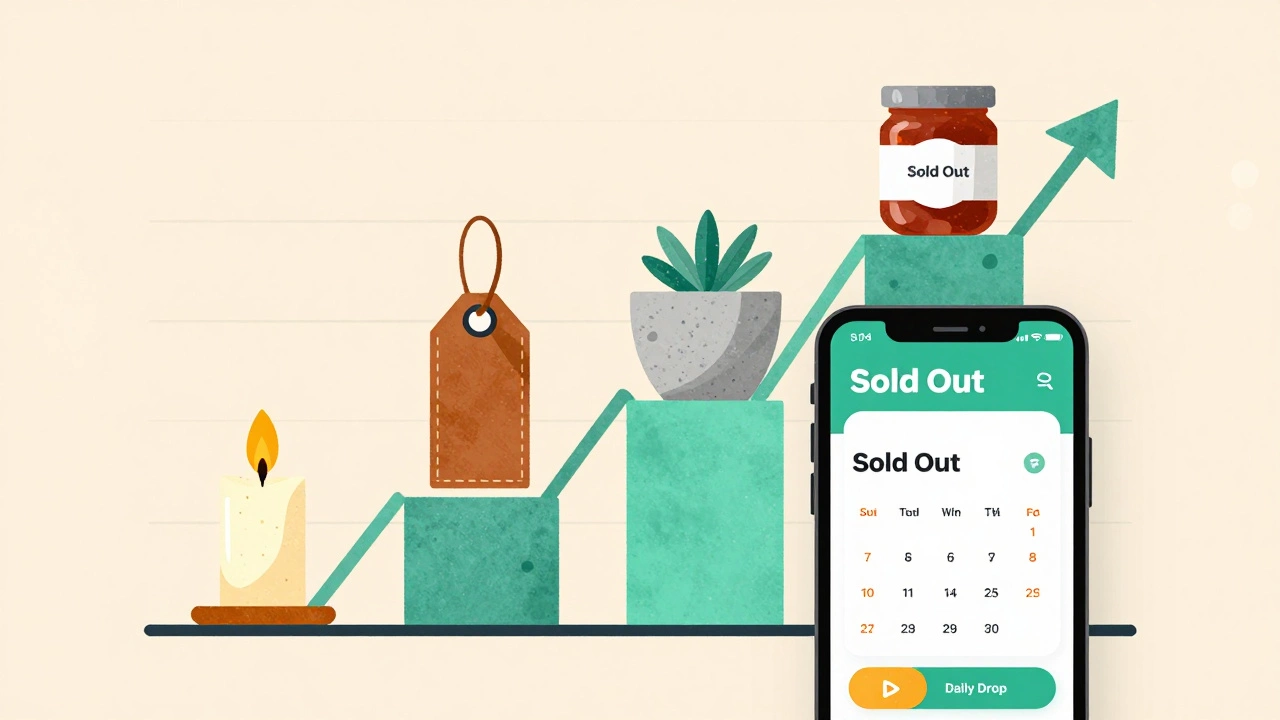
Third, use scarcity and urgency. Limit your offerings to a "daily drop." Announce that you are releasing only ten items at noon. This creates FOMO (Fear Of Missing Out) and drives immediate purchases. Email lists are powerful here. Collect emails from interested buyers and send notifications when stock is available. Direct traffic converts better than social media algorithms.
Finally, consider pop-up markets. Set up a booth at a local farmer's market or art fair. Physical presence allows customers to touch and feel your products. This reduces hesitation and increases conversion rates. Have multiple payment options ready, including mobile card readers, to ensure smooth transactions.
Risks and Legal Considerations
Speed should not compromise safety or legality. Before you start manufacturing, check local regulations. Home-based businesses often face zoning restrictions. Ensure you are allowed to operate a workshop in your residence. If you are selling food, health department permits are mandatory. Ignoring these can lead to fines that wipe out your profits instantly.
Tax obligations are another critical factor. Income generated from side hustles is taxable. Keep detailed records of all expenses and sales. Separate bank accounts make accounting easier. Consult with a tax professional to understand deductions available to small manufacturers, such as home office expenses and equipment depreciation.
Product liability is a real risk. If your handmade lamp catches fire or your candle burns too hot, you could be sued. Product liability insurance is relatively affordable for small businesses. It protects your personal assets in case of accidents. Do not skip this step. One lawsuit can destroy years of hard work.
Intellectual property rights also matter. Do not copy designs from other brands. Create original work. If you use licensed characters or trademarks, obtain proper permissions. Plagiarism damages your reputation and can result in legal action. Originality is your competitive advantage in a crowded market.
Scaling Beyond the First $1,000
Once you master the art of making $1,000 in a day, you can scale. Reinvest profits into better equipment. Faster tools reduce production time, allowing you to make more units. Hire assistants for repetitive tasks like packaging or customer service. This frees you to focus on design and sales.
Diversify your product line. Once you have a loyal customer base, introduce complementary items. If you sell candles, add matches or holders. Cross-selling increases average order value. Loyalty programs encourage repeat purchases. Email marketing keeps your brand top-of-mind between sales cycles.
Explore wholesale partnerships. Supplying retailers expands your reach significantly. Although margins are lower per unit, volume compensates. Build relationships with boutique owners and gift shop managers. Provide them with attractive display materials and competitive pricing. Consistent quality and reliable delivery build long-term contracts.
Ultimately, success in manufacturing comes from consistency and adaptability. Trends change. Customer preferences evolve. Stay agile. Listen to feedback. Iterate on your designs. The businesses that thrive are those that continuously improve and respond to market demands. Your journey to financial freedom starts with one product, one sale, and one determined step forward.
If you find yourself needing a break from the grind, sometimes exploring different industries offers fresh perspective. For instance, some entrepreneurs look into diverse sectors like hospitality or services for inspiration. A resource like this directory shows how niche markets operate globally, highlighting the importance of specialized service offerings and direct client engagement, principles that apply across many business models.
Is it legal to manufacture goods at home?
In many jurisdictions, yes, but you must check local zoning laws and business licensing requirements. Some areas prohibit commercial activities in residential zones. Always verify with your local government office before starting operations.
What is the best product to make for beginners?
Candles and soap are excellent starting points due to low material costs and simple processes. However, ensure you research safety standards for burning wicks and skin-safe ingredients. Custom jewelry is another good option requiring minimal equipment.
How do I price my handmade products?
Calculate your total cost including materials, labor, and overhead. Multiply by two for a basic wholesale price, then double again for retail. Compare with competitors to ensure competitiveness while maintaining healthy margins.
Can I really make $1,000 in my first week?
It is challenging but possible if you choose high-margin items and have existing networks to sell to. Most beginners take a few weeks to build momentum. Focus on consistent output and aggressive marketing rather than expecting instant riches.
Do I need insurance for a small manufacturing business?
Yes, especially product liability insurance. Even small-scale producers face risks if their products cause harm. General liability coverage is also recommended if you rent space or attend events. Protecting your assets is crucial for long-term sustainability.