Chemical Industry Sourcing Advisor
Not sure whether to source from China, India, or East Asia? Select your primary requirements below to find the most suitable market match.
High volume, basic building blocks (Ethylene, Polyethylene)
High value, low volume, custom applications (Dyes, Agrochemicals)
High-tech precision (Battery materials, Semiconductor chem)
Need the largest possible quantities at the lowest unit cost
Implementing 'China Plus One' to reduce regional risk
Need cutting-edge R&D and extreme quality standards
Result
The Battle of the Titans: China vs. India
When we talk about the "largest," we have to distinguish between a diversified conglomerate and a pure-play chemical company. In China, you have Sinopec (China Petroleum & Chemical Corporation). If you measure by revenue, Sinopec often takes the crown because it's state-owned and operates on a scale that is almost hard to visualize. It is a massive energy and chemical company that integrates oil refining and petrochemical production. But if you're looking at private enterprise and strategic growth in the 2020s, Reliance Industries has shifted the gravity of the industry toward India. The difference is in the approach: Sinopec is a pillar of state infrastructure, while Reliance is an aggressive, market-driven entity. For someone trying to understand the Asian market, knowing the difference between these two models is key. One is about national security and resource control; the other is about global market share and vertical integration.| Attribute | Reliance Industries (India) | Sinopec (China) | BASF Asia (Regional) |
|---|---|---|---|
| Core Strength | Petrochemical Integration | State-led Scale/Refining | Specialty Chemicals |
| Market Model | Private Conglomerate | State-Owned Enterprise | Multinational Subsidiary |
| Key Product | Polypropylene/Polyethylene | Ethylene/Synthetic Rubber | Catalysts/Performance Chem |
Why India is Becoming the Chemical Hub of the World
For a long time, China was the undisputed king. But things are changing. Why are global buyers suddenly looking at chemical manufacturers India? It's not just about cheaper labor anymore. It's about the "China Plus One" strategy. Companies are terrified of having all their eggs in one basket, so they are shifting production to India. India's strength lies in its ability to handle complex chemistry. While the giants like Reliance handle the massive volumes of polymers, India also has a booming specialty chemical sector. Specialty Chemicals are high-value, low-volume chemical products that are produced for specific applications, such as electronic chemicals or food additives. This is where India is winning. They aren't just copying China; they are innovating in areas like agrochemicals and dyes. If you're running a business that needs raw materials, you've probably noticed that Indian suppliers are becoming more reliable and their quality standards are catching up to European norms. The growth isn't accidental-it's a mix of government incentives and a massive push toward sustainable chemistry.Understanding the Petrochemical Value Chain
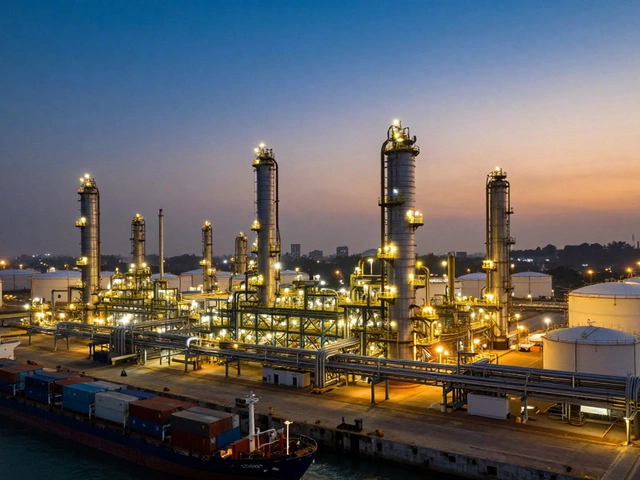
To understand why Reliance or Sinopec are so huge, you have to understand the Petrochemical Value Chain. It starts with Crude Oil or natural gas. Through a process called cracking, these are turned into basic building blocks like ethylene and propylene. Most small companies just buy these building blocks. But the largest companies-the ones we're talking about-own the refineries. By owning the start of the chain, Reliance can pivot its production based on what the market wants. If there's a surge in demand for medical-grade plastics, they can adjust their output faster than a company that has to buy raw materials from a third party. This vertical integration is the secret sauce that allows them to maintain such high margins.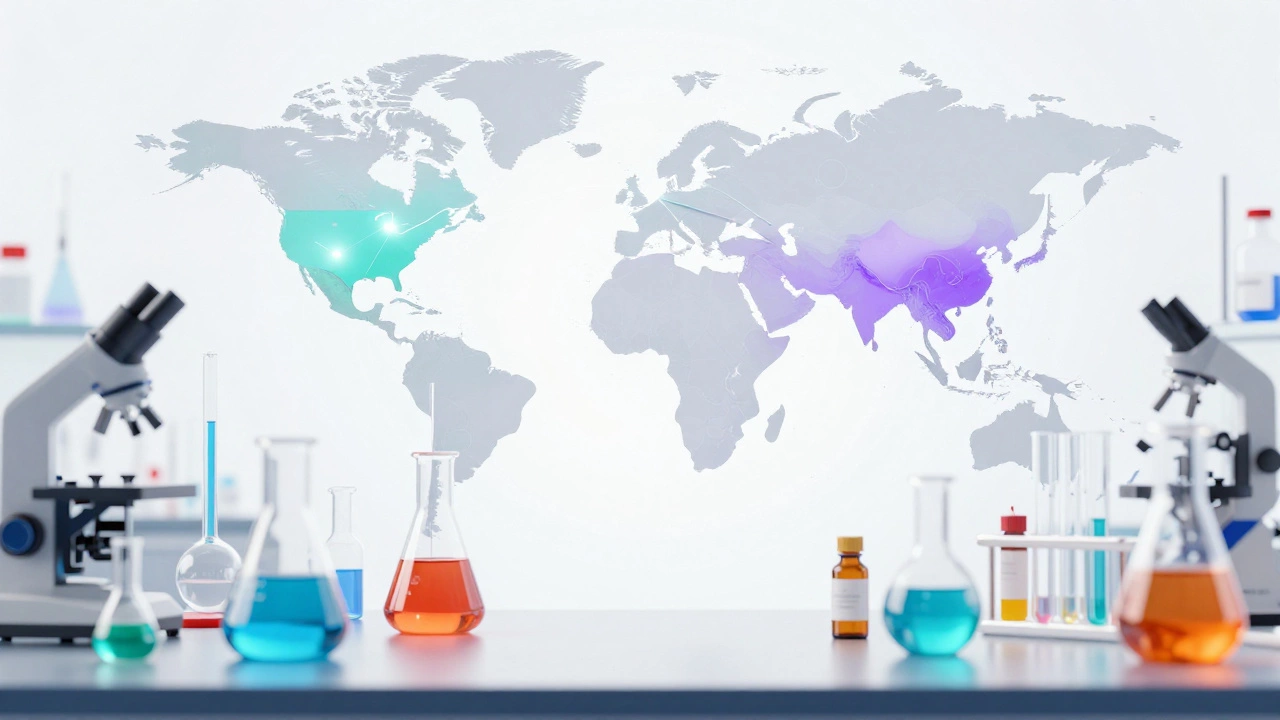
The Shift Toward Green Chemistry
We can't talk about the largest companies without talking about the environment. The chemical industry is one of the biggest polluters, and the giants in Asia are under immense pressure to change. We're seeing a massive shift toward Green Chemistry, which is the design of chemical products and processes that reduce or eliminate the use of hazardous substances. Reliance, for example, has announced goals to become net-zero by 2035. They aren't just doing this to be nice; it's a business move. The world is moving toward hydrogen fuel and biodegradable plastics. If the largest company in Asia doesn't lead the transition to green hydrogen, they risk becoming a dinosaur in a world of electric cars and bio-polymers. The race is now about who can decarbonize the fastest while keeping production high.Key Players You Should Know
Beyond the top two, there are other entities that shape the Asian landscape. Mitsubishi Chemical in Japan focuses heavily on high-tech materials and carbon neutrality. LG Chem in South Korea is a leader in battery materials-which is the most critical part of the EV revolution. When you look at the map, you see a clear division. China provides the sheer volume, India provides the strategic growth and specialty expertise, and Japan/Korea provide the high-end technological precision. If you're looking for the "largest," you're usually looking at China or India, but if you're looking for the most "advanced," you might look toward Seoul or Tokyo.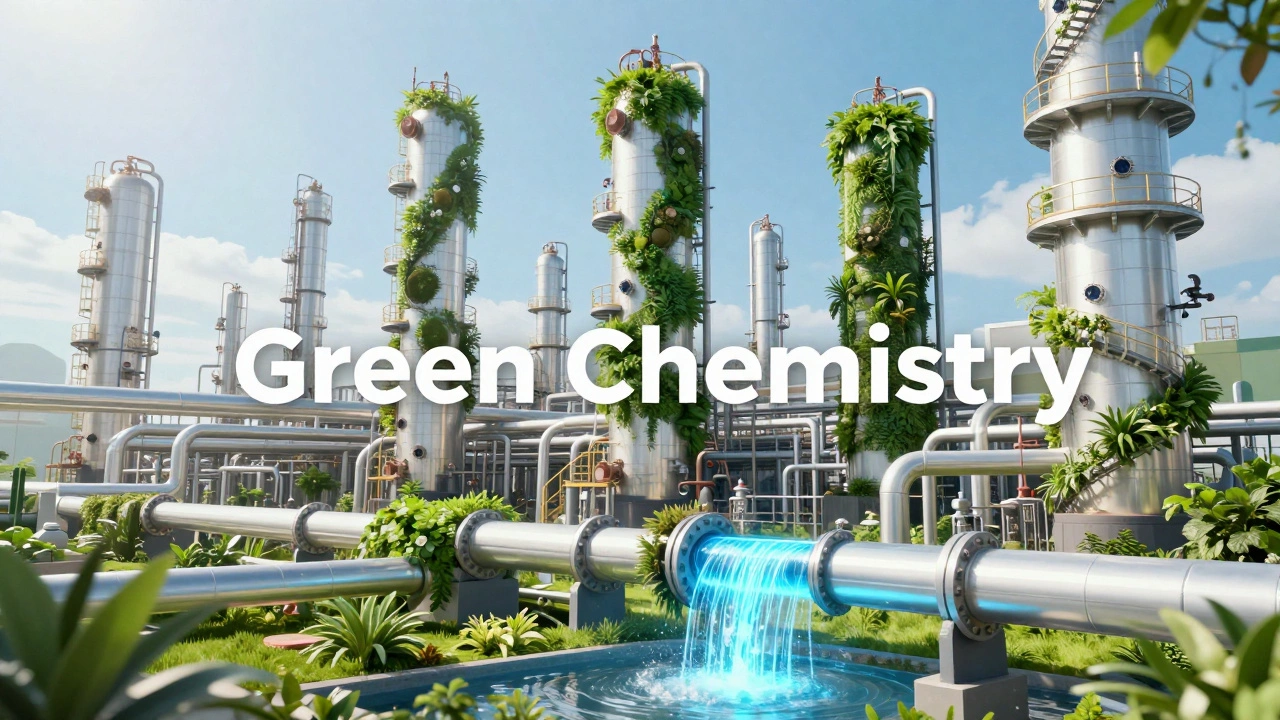
Common Pitfalls in Assessing Chemical Company Size
Don't make the mistake of looking only at the stock price or the number of employees. In the chemical world, the real metric is capacity. How many tons of ethylene can they produce per year? How many crackers do they have running? Another trap is confusing a pharmaceutical company with a chemical company. While Pharmaceutical Manufacturing relies on chemicals, it's a different business model. A company like Sun Pharma is huge, but they don't produce the bulk polymers that make a company like Reliance a "chemical giant." Always check if the company is producing commodity chemicals (high volume, low price) or specialty chemicals (low volume, high price).Is Reliance Industries the biggest chemical company in Asia?
In terms of private sector influence and integrated petrochemical capacity, yes, it is often cited as the leader. However, if you look strictly at revenue for state-owned enterprises, China's Sinopec often reports higher total figures due to its massive state-backed energy operations.
Why are chemical manufacturers in India growing so fast?
The growth is driven by the "China Plus One" strategy, where global firms diversify their supply chains away from China. Additionally, India's strong expertise in specialty chemicals and government support for manufacturing have made it an attractive hub for investment.
What is the difference between commodity and specialty chemicals?
Commodity chemicals are produced in huge quantities and are mostly identical regardless of who makes them (like sulfuric acid or ethylene). Specialty chemicals are custom-made for specific functions, such as a particular dye for a fabric or a chemical used in semiconductor chips, and they command much higher prices.
How does green chemistry affect these large companies?
It forces them to invest billions in new technology. Companies are moving away from fossil-fuel feedstocks to bio-based materials and investing in carbon capture to avoid heavy taxes and regulatory penalties in global markets like the EU.
Which Asian country dominates the chemical exports?
China remains the largest exporter by volume due to its massive industrial base. However, India is rapidly gaining ground in the specialty and agrochemical export markets, offering a more flexible and diverse product range.