Imagine opening a jar of pickles that tastes like vinegar water, or buying milk that has already started to sour before you even get home. It sounds like a nightmare, but it’s exactly what happens when manufacturers lose track of their numbers. In the world of food processing is the transformation of raw agricultural products into edible goods through various physical and chemical methods, precision isn't just a nice-to-have; it is the difference between a safe product and a lawsuit.
We often think of cooking as an art, but at scale, it is pure science. Every single step, from washing the carrots to sealing the can, relies on specific units of measurement. If you are looking to understand how the industry keeps your food safe and consistent, you need to look past the recipes and focus on the metrics. Here are ten critical units of measurement that define modern food manufacturing.
Temperature: The Guardian of Safety
If there is one number that matters more than any other in a factory, it is temperature. Heat kills bacteria, but it also cooks food. You have to walk a fine line. The most common unit here is degrees Celsius (Celsius is a metric scale for temperature where water freezes at 0°C and boils at 100°C at standard atmospheric pressure).
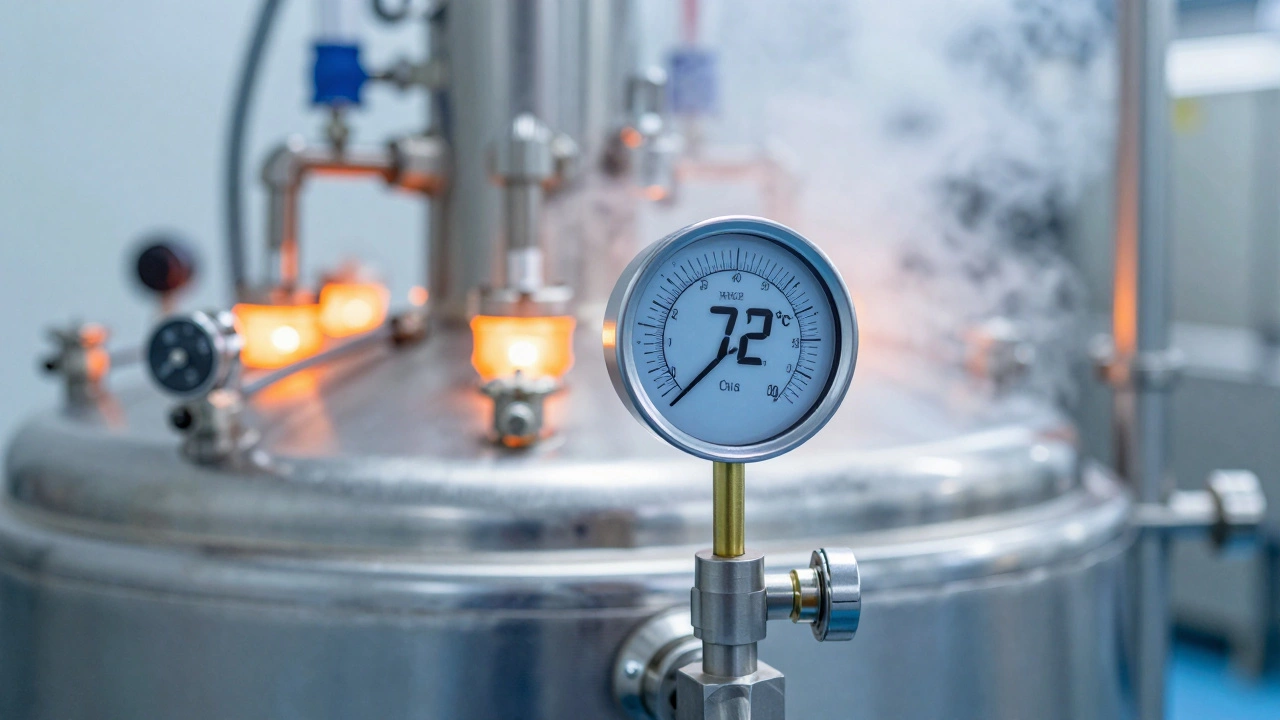
In pasteurization, for example, milk must hit exactly 72°C for 15 seconds. Miss that by two degrees, and you might not kill all the pathogens. Go too high, and you scorch the protein, ruining the taste. For freezing operations, we look at much lower numbers, often -18°C or colder, to stop microbial growth entirely. Thermocouples and infrared sensors measure these values constantly, feeding data back to control systems that adjust heating elements in real-time.
pH Level: Acidity and Preservation
You’ve probably seen pH strips in a chemistry class, but in food processing, this unit is vital for shelf life. pH is a logarithmic scale used to specify the acidity or basicity of an aqueous solution, ranging from 0 to 14. Most bacteria cannot survive in highly acidic environments. That is why pickles, sodas, and yogurts last so long on the shelf.
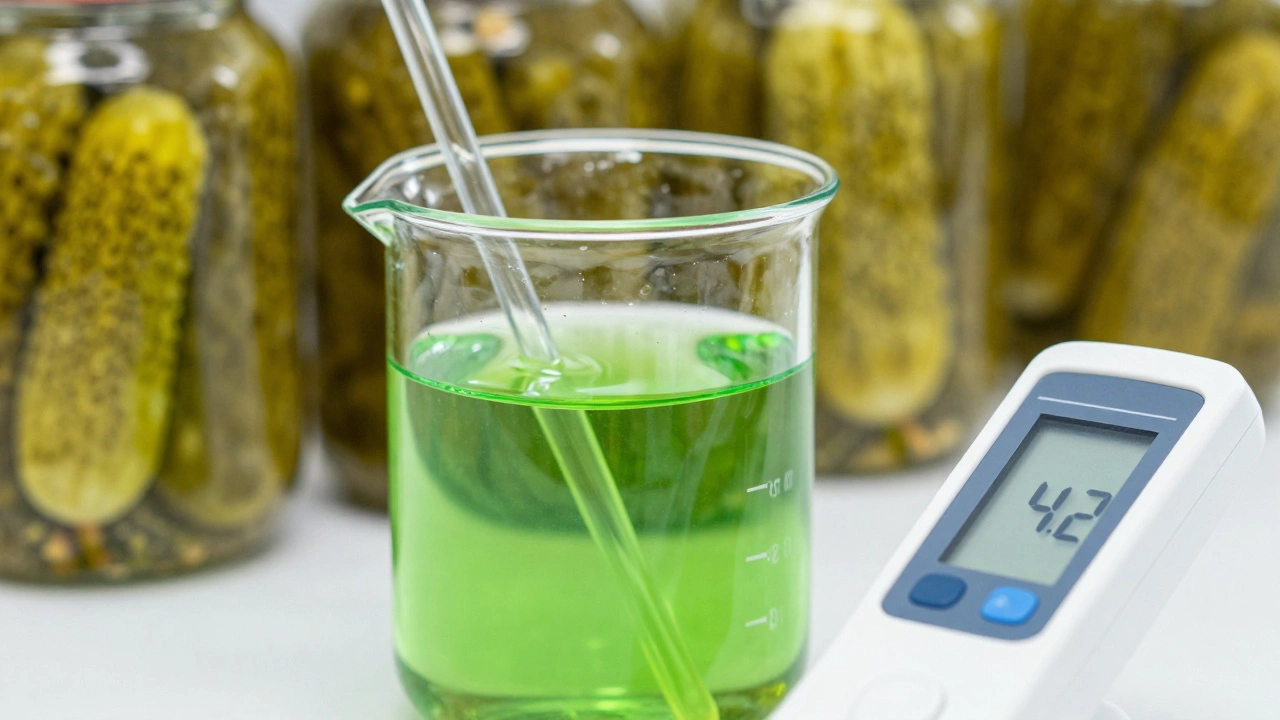
A pH below 4.6 is considered "acidified" and generally safe from botulism spores without extreme heat treatment. Processors use digital pH meters to check every batch. If a sauce dips above 4.6 unexpectedly, it might spoil faster than predicted, leading to waste or safety issues. Adjusting pH with citric acid or lactic acid is a daily task for quality control teams.
Brix: Measuring Sugar Content
When you buy orange juice, you expect it to be sweet. But how do factories know if the fruit was ripe enough? They use Brix is a scale representing the percentage of sucrose by weight in a liquid solution, commonly used in the food and beverage industry. One degree Brix equals one gram of sucrose in 100 grams of solution. It is measured using a refractometer, which bends light passing through the liquid.
This unit helps determine ripeness during harvesting and consistency during blending. If a soda manufacturer aims for 10°Brix, they need to ensure every drop matches that sweetness level. Variations in Brix affect not just taste, but also viscosity and preservation. High sugar content acts as a preservative, which is why jams and honey rarely spoil.
Moisture Content: Weight Percentage
Water is heavy, expensive to ship, and a breeding ground for mold. Controlling moisture is crucial for dry goods like flour, coffee, and snacks. Moisture content is usually expressed as a percentage of the total weight. For instance, wheat flour might be sold with a maximum moisture content of 14%.
If the moisture is too high, the product clumps and grows fungus. Too low, and it becomes brittle or loses flavor. Industrial ovens and dehydrators are calibrated to remove water until the target percentage is reached. Near-infrared (NIR) sensors can measure moisture instantly without destroying the sample, allowing for rapid adjustments in the drying process.
Viscosity: Flow Behavior
Not all liquids flow the same way. Water pours quickly; ketchup sits still until you shake the bottle. This resistance to flow is called viscosity, measured in units like Pascal-seconds (Pa·s) or centipoise (cP). Viscosity is a measure of a fluid's resistance to deformation at a given rate, reflecting internal friction between molecules.
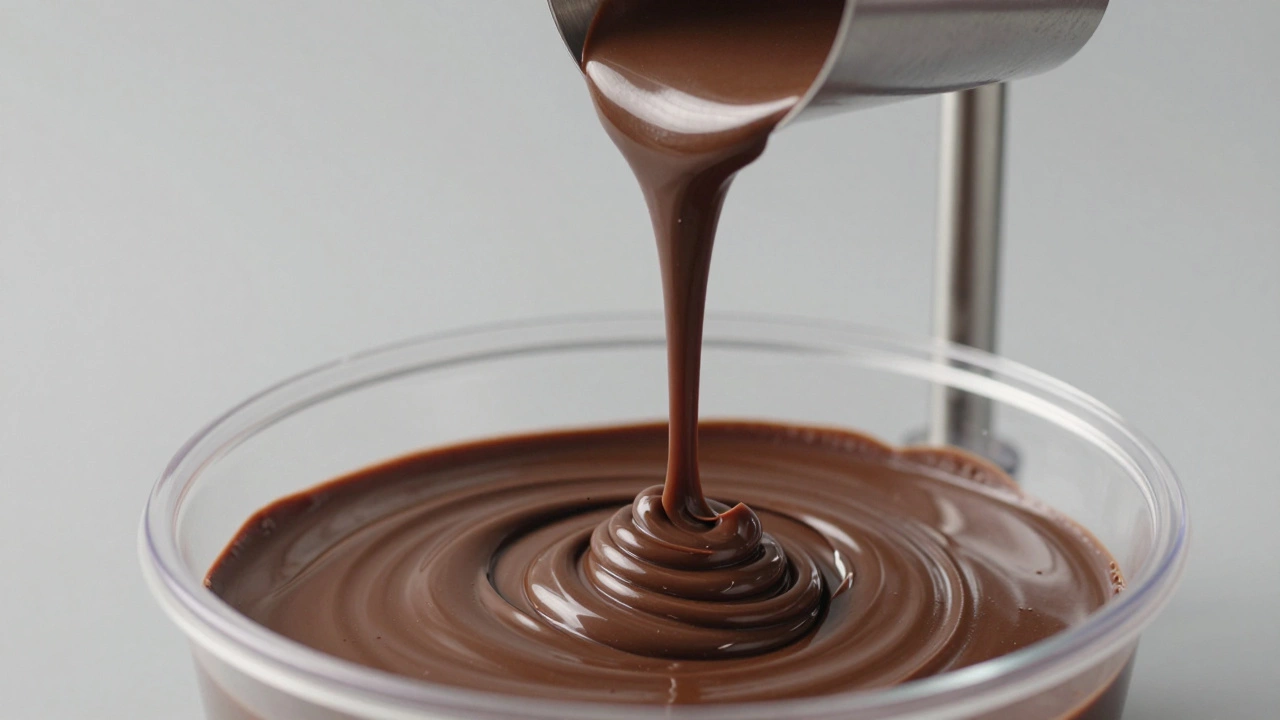
In bottling lines, viscosity determines pump speed and pipe diameter. If a chocolate ganache is too thick, it won’t fill the cup properly. If it’s too thin, it will leak out of the packaging. Rheometers measure how fluids behave under stress, helping engineers design equipment that handles everything from watery juices to thick peanut butter smoothly.
Dissolved Oxygen (DO): Preventing Oxidation
Oxygen is great for breathing, but terrible for many foods. It causes fats to go rancid and colors to fade. In liquid processing, especially for beer, wine, and juices, dissolved oxygen is measured in parts per million (ppm) or milligrams per liter (mg/L).
High DO levels lead to off-flavors and reduced shelf life. Manufacturers use degassing columns to strip oxygen from liquids before filling bottles. Sensors monitor the DO level continuously. Keeping DO below 50 ppm is a common goal for sensitive beverages to maintain freshness and prevent chemical reactions that degrade quality.
Solid Density: Packing Efficiency
When you pack cans of beans or boxes of cereal, you need to know how much space the product takes up. Bulk density, measured in kilograms per cubic meter (kg/m³), tells you how tightly particles pack together. This affects storage capacity, transportation costs, and portion control.
For example, crushed garlic has a different bulk density than whole cloves. Understanding this helps designers create hoppers and conveyors that feed material evenly without clogging. If the density varies, the machine might overfill or underfill containers, leading to financial loss or customer complaints.
Turbidity: Clarity of Liquids
Clear water looks clean; cloudy water looks dirty. Turbidity measures the cloudiness of a liquid, expressed in Nephelometric Turbidity Units (NTU). While drinking water has strict turbidity limits, food processors care about it for aesthetic reasons and filtration efficiency.
In beer brewing, excessive turbidity might indicate yeast contamination or incomplete fermentation. In juice production, it helps determine if filtering is working correctly. High turbidity can hide sediment or particulate matter, affecting consumer perception. Clarification processes aim to reduce NTU values to meet brand standards for clarity.
Time: Pasteurization and Cooking
Temperature means nothing without time. Holding a product at a certain heat for a specific duration is key to killing microbes without destroying nutrients. Time is measured in seconds or minutes, depending on the process. For ultra-high temperature (UHT) processing, milk might be heated to 135°C for just 2 seconds.
This short burst sterilizes the milk while preserving its fresh taste. Longer times at lower temperatures require careful monitoring to avoid nutrient loss. Timers and automated controls ensure that every batch receives the exact thermal treatment required for safety and quality.
Pressure: Sterilization and Packaging
Pressure plays a huge role in retort processing, where canned foods are sterilized. Measured in pounds per square inch (psi) or bars, pressure increases the boiling point of water, allowing higher temperatures inside sealed cans. A typical retort might operate at 15 psi, reaching 121°C.
This ensures deep penetration of heat into dense foods like soups or stews. Pressure also affects packaging integrity. Vacuum sealers remove air to create negative pressure, extending shelf life. Monitoring pressure prevents explosions in autoclaves and ensures seals remain tight during transport.
| Unit Name | Measures | Common Application |
|---|---|---|
| Celsius (°C) | Temperature | Pasteurization, Freezing |
| pH | Acidity/Alkalinity | Pickling, Fermentation |
| Brix (°Bx) | Sugar Concentration | Juice, Soda Production |
| Percentage (%) | Moisture Content | Drying, Grinding |
| Centipoise (cP) | Viscosity | Sauces, Beverages |
| Parts Per Million (ppm) | Dissolved Oxygen | Beer, Wine, Juice |
| Kg/m³ | Bulk Density | Grains, Powders |
| NTU | Turbidity | Filtration, Clarification |
| Seconds/Minutes | Time | Thermal Processing |
| PSI/Bar | Pressure | Canning, Vacuum Sealing |
Why These Measurements Matter to You
These units aren't just abstract concepts for engineers. They directly impact what ends up on your table. Consistent Brix means your soda tastes the same every time. Proper pH ensures your yogurt doesn't make you sick. Accurate moisture control means your crackers stay crunchy. When manufacturers ignore these metrics, quality suffers, waste increases, and safety risks rise.
Understanding these basics gives you insight into the complexity behind simple products. Next time you open a package, remember the dozens of sensors and calculations that went into making sure it arrived perfectly preserved. It is a delicate balance of science and engineering, all driven by precise measurement.
What is the most important unit in food safety?
Temperature is widely considered the most critical unit because it directly controls microbial growth. Proper pasteurization temperatures eliminate harmful bacteria like Salmonella and E. coli, preventing foodborne illnesses.
How is Brix different from sugar content?
Brix measures the total soluble solids in a liquid, primarily sugars. While it correlates strongly with sugar concentration, it includes other dissolved substances like acids and minerals, providing a broader picture of sweetness and body.
Why is pH important for canned goods?
Low pH (high acidity) inhibits the growth of Clostridium botulinum, the bacterium that causes botulism. Acidic foods can be processed at lower temperatures, preserving texture and flavor while ensuring safety.
What tools are used to measure viscosity?
Rheometers and viscometers are the primary tools. Rotational viscometers spin a spindle in the fluid to measure resistance, while rheometers apply varying stresses to understand complex flow behaviors like shear-thinning.
How does moisture content affect shelf life?
Lower moisture content reduces water activity, making it harder for microorganisms to grow. Dry goods like pasta and spices last longer because they lack the water needed for bacterial and fungal reproduction.
Is dissolved oxygen always bad for food?
Generally, yes, for packaged liquids. Oxygen promotes oxidation, leading to rancidity in fats and color changes in fruits. However, some aerobic fermentations require controlled oxygen levels to support beneficial yeast or bacteria growth.
What is the ideal temperature for freezing food?
The standard recommendation is -18°C (0°F) or lower. This temperature halts microbial activity and slows down enzymatic reactions, preserving quality and safety for extended periods.
How is turbidity measured in beverages?
Turbidity is measured using a nephelometer, which shines a light through the sample and detects scattered light particles. Higher scattering indicates more cloudiness, reported in NTU (Nephelometric Turbidity Units).
Why is pressure used in canning?
Pressure allows water to reach temperatures above 100°C without boiling away. This higher heat penetrates dense foods thoroughly, ensuring complete sterilization and preventing spoilage inside sealed cans.
Can small changes in measurement cause major problems?
Absolutely. A slight deviation in pH can allow pathogen growth. A minor error in temperature can ruin texture or fail to kill bacteria. Precision is essential because biological systems react sharply to environmental changes.