Indian Textiles Comparison Tool
Compare Popular Indian Textiles
Select up to 4 textiles to see their key differences side by side
Selected Textiles
Key Attributes
| Attribute | Banarasi Silk | Kanjivaram Silk | Chanderi Cotton | Patola | Bandhani |
|---|---|---|---|---|---|
| Origin | Varanasi | Kanchipuram, Tamil Nadu | Chanderi, Madhya Pradesh | Patan, Gujarat | Rajasthan & Gujarat |
| Weight | Medium | Heavy (up to 800g) | Light | Medium | Light |
| Production Time | 15-20 days | 20-30 days | 7-10 days | Months | Varies |
| Key Feature | Gold/silver zari work | Temple patterns | Sheer cotton-silk blend | Double ikat technique | Hand-tied dye patterns |
| GI Tag | Yes | Yes | Yes | Yes | Yes |
| Best For | Weddings & festivals | Bridal wear | Hot weather | Luxury occasions | Festivals & daily wear |
For centuries, Indian textiles have captivated the world. From shimmering silk sarees worn at royal weddings to vibrant tie-dye fabrics that once adorned European courts, India's fabric heritage is unmatched. But there isn't just one famous textile-India boasts dozens, each with unique techniques, regional roots, and cultural stories. Let's explore the most renowned fabrics and what makes them special today.
Banarasi Silk: The Royal Fabric of Varanasi
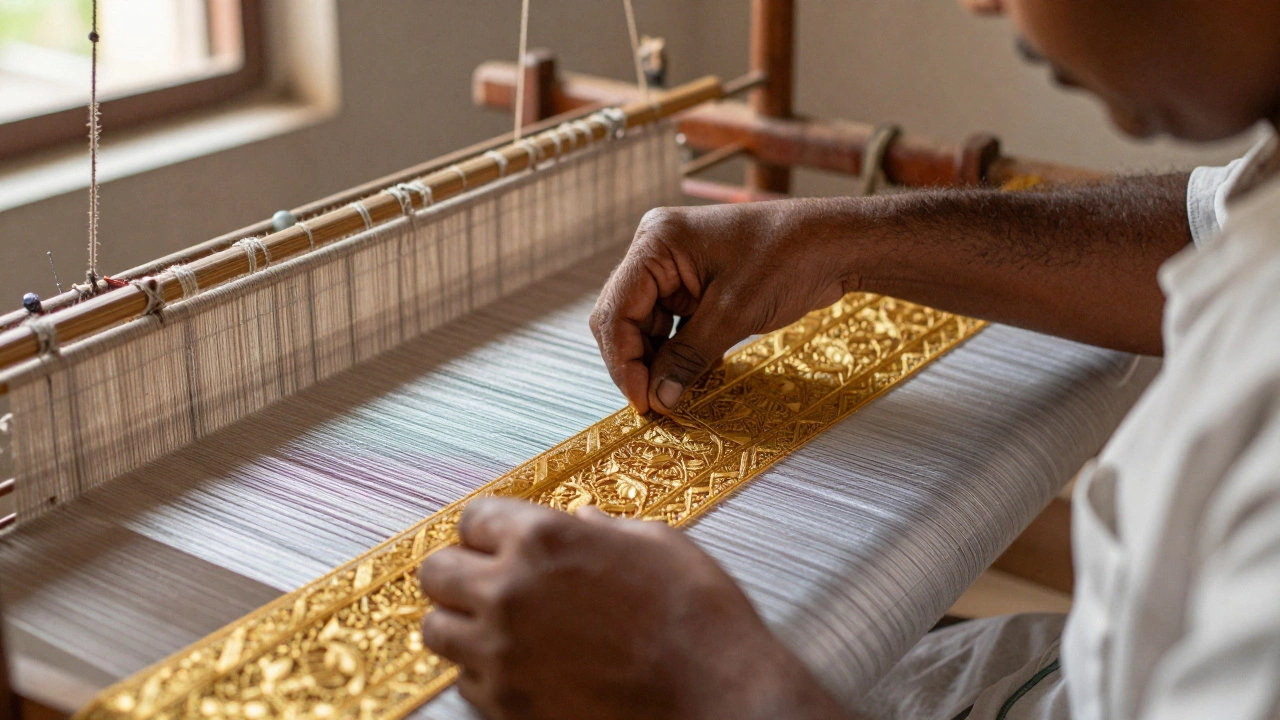
Banarasi silk is a luxurious silk fabric originating from Varanasi, India. Known for its intricate gold and silver zari work, it has been granted a Geographical Indication (GI) tag since 2009. Each saree takes 15-20 days to weave by hand on traditional looms, making it a prized possession for weddings and festivals. Weavers in Varanasi use ancient techniques passed down through generations. The zari threads, made from real silver or gold-coated threads, create elaborate floral and peacock motifs. Today, Banarasi silk exports generate over $120 million annually, with major buyers in the Middle East and Southeast Asia. Despite modern machinery, skilled artisans still hand-weave the most valuable pieces, ensuring the craft survives.
Kanjivaram Silk: Tamil Nadu's Heavyweight Champion
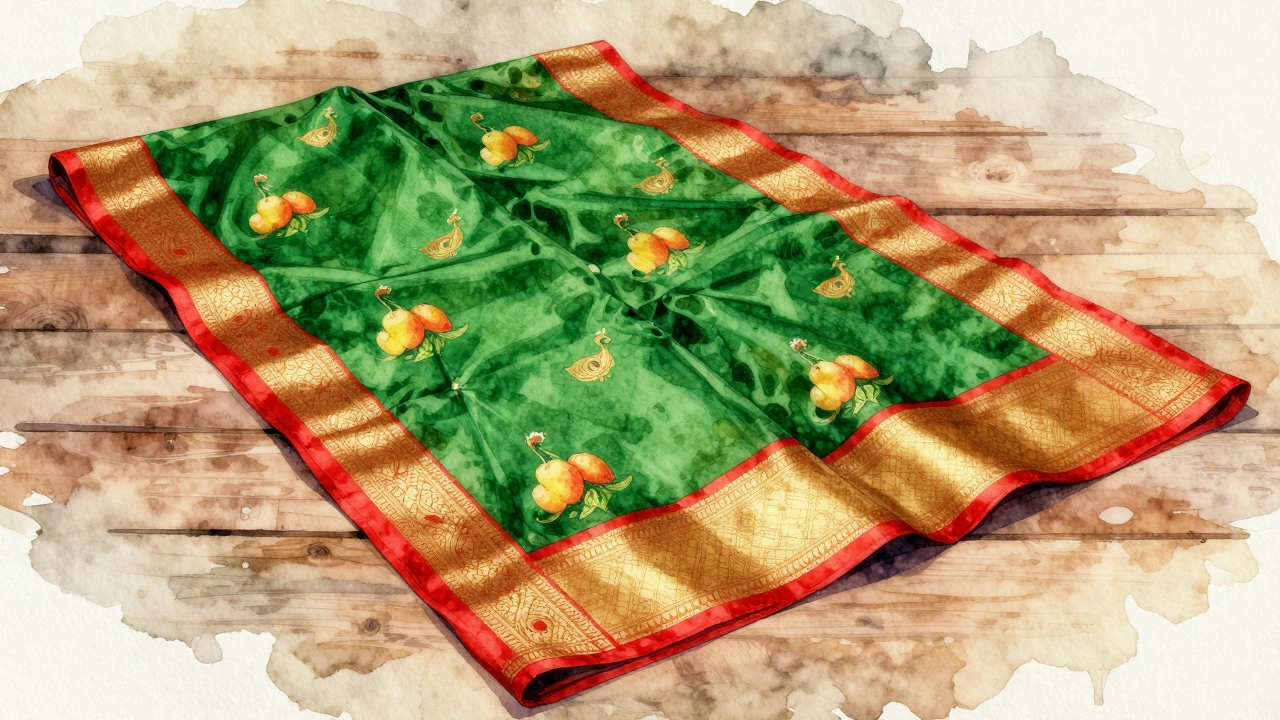
Kanjivaram silk comes from Kanchipuram in Tamil Nadu. These sarees are famous for their thick texture, vibrant colors, and contrasting borders. The GI tag protects this heritage, and each saree uses 100% pure mulberry silk with zari woven directly into the fabric. A single Kanjivaram saree can weigh up to 800 grams, making it one of the heaviest silk fabrics in the world. The weaving process involves intricate temple-inspired patterns like mangoes, elephants, and peacocks. Artisans spend 20-30 days on a single piece, using hand-operated looms. In 2025, Kanjivaram silk accounted for 15% of India's silk exports, with demand rising in the US and Europe for luxury bridal wear. Unlike synthetic imitations, authentic Kanjivaram sarees retain their sheen for decades.
Chanderi and Maheshwari Cotton: Light as Air
Chanderi fabric hails from Chanderi in Madhya Pradesh. This lightweight cotton-silk blend is known for its sheer transparency and coolness. Artisans weave fine threads into delicate patterns like stripes and checks, often using zari for subtle shimmer. Each Chanderi saree takes 7-10 days to complete and is perfect for hot climates. Maheshwari fabric comes from nearby Maheshwar. It features bold geometric designs and vibrant colors, traditionally woven on pit looms. Maheshwari sarees use cotton or silk threads with distinctive stripes and checks, making them ideal for everyday wear. Both fabrics have GI tags and support over 15,000 weaver families in the region. In 2025, Chanderi exports grew by 12% due to global demand for sustainable, breathable textiles.

Patola and Bandhani: The Art of Tie-Dye
Patola is a double ikat fabric from Patan, Gujarat. This rare technique involves tie-dyeing both the warp and weft threads before weaving, creating mirror-image patterns. Each Patola saree takes months to complete and is considered a luxury item. The geometric designs often include animals, flowers, and mythical creatures. Bandhani (also called tie-dye) is famous across Rajasthan and Gujarat. Artisans tie tiny knots on fabric before dyeing, creating intricate dot patterns. Bandhani dupattas and sarees are staples for festivals like Diwali and Teej. In 2025, Bandhani exports reached $85 million, with major markets in the UK and Australia. Both Patola and Bandhani are protected by GI tags, ensuring authenticity.
Modern Textile Manufacturing in India
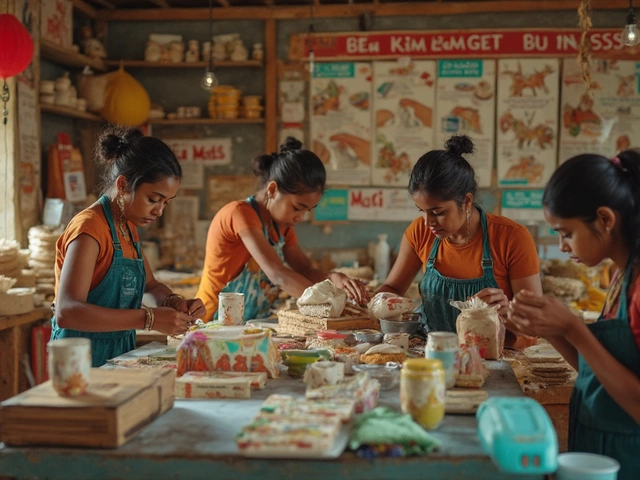
India's textile industry remains a powerhouse. In 2025, it contributed $120 billion to the economy and employed over 45 million people. Handloom textiles account for 20% of exports, with traditional fabrics like Banarasi and Kanjivaram leading the way. The government's Handloom Mark certification helps buyers identify authentic handwoven products. Many weavers now use digital tools to connect with global buyers-social media platforms and e-commerce sites have boosted sales by 30% in the last two years.
Despite challenges like competition from synthetic fabrics, traditional textiles are making a comeback. Designers worldwide are incorporating Indian handlooms into modern fashion. For example, luxury brands like Gucci and Louis Vuitton have featured Banarasi silk in recent collections. Local cooperatives also empower women weavers, providing fair wages and training in sustainable practices. This blend of heritage and innovation ensures India's textile legacy thrives.
Is Banarasi silk the most famous Indian textile?
While Banarasi silk is globally recognized, India has several equally famous textiles. Kanjivaram silk from Tamil Nadu, Chanderi cotton from Madhya Pradesh, and Patola from Gujarat are all highly valued. Each has unique weaving techniques and cultural significance, making them important in their own right.
What makes Kanjivaram silk special?
Kanjivaram silk is known for its thickness, rich colors, and temple-inspired patterns. The sarees use pure mulberry silk with zari woven directly into the fabric, not just printed on top. Each piece takes 20-30 days to weave by hand, and the fabric retains its luster for decades. The GI tag ensures only genuine Kanchipuram-made sarees can be called Kanjivaram.
How are traditional textiles made today?
Many weavers still use hand-operated looms for authenticity, especially for high-end pieces. However, modern tools like digital design software help in pattern creation, and e-commerce platforms connect artisans directly to global buyers. Some cooperatives now use solar-powered looms to reduce costs while maintaining traditional techniques. The key is balancing heritage with innovation to keep these crafts alive.
Why are Geographical Indication tags important?
GI tags protect traditional crafts by ensuring only products made in specific regions can use the name. For example, only silk sarees woven in Varanasi can be called Banarasi. This prevents fake products, supports local weavers, and preserves cultural heritage. GI tags also boost exports by building trust with international buyers.
Can I buy authentic Indian textiles online?
Yes, many reputable platforms sell authentic handloom textiles. Look for the Handloom Mark certification or GI tags in product descriptions. Websites like India Handloom Bazaar, Craftsvilla, and government portals like handloomindia.gov.in verify authenticity. Always check seller reviews and ask for proof of origin to avoid synthetic imitations.