Pharmaceutical Wholesaler Market Share Calculator
Estimate the total market value or prescription volume handled by major pharmaceutical wholesalers based on their approximate market share in the United States.
Walk into any hospital pharmacy or local clinic, and you’ll see boxes of medication stacked neatly on shelves. But how did those drugs get there? They didn’t fly directly from the factory floor to your doctor’s office. There is a massive, invisible middleman handling billions of dollars in transactions every single day. This is the world of pharmaceutical wholesale.
If you are looking for the name at the very top of the list, it is McKesson. For years, this American giant has held the crown as the largest pharmaceutical distributor globally by revenue. However, the landscape isn’t just about one company. It is a tight race between three major players that control the flow of medicine across North America and beyond. Understanding who these companies are helps explain why drug prices are what they are and how supply chains survive crises.
The Big Three: Who Dominates the Market?
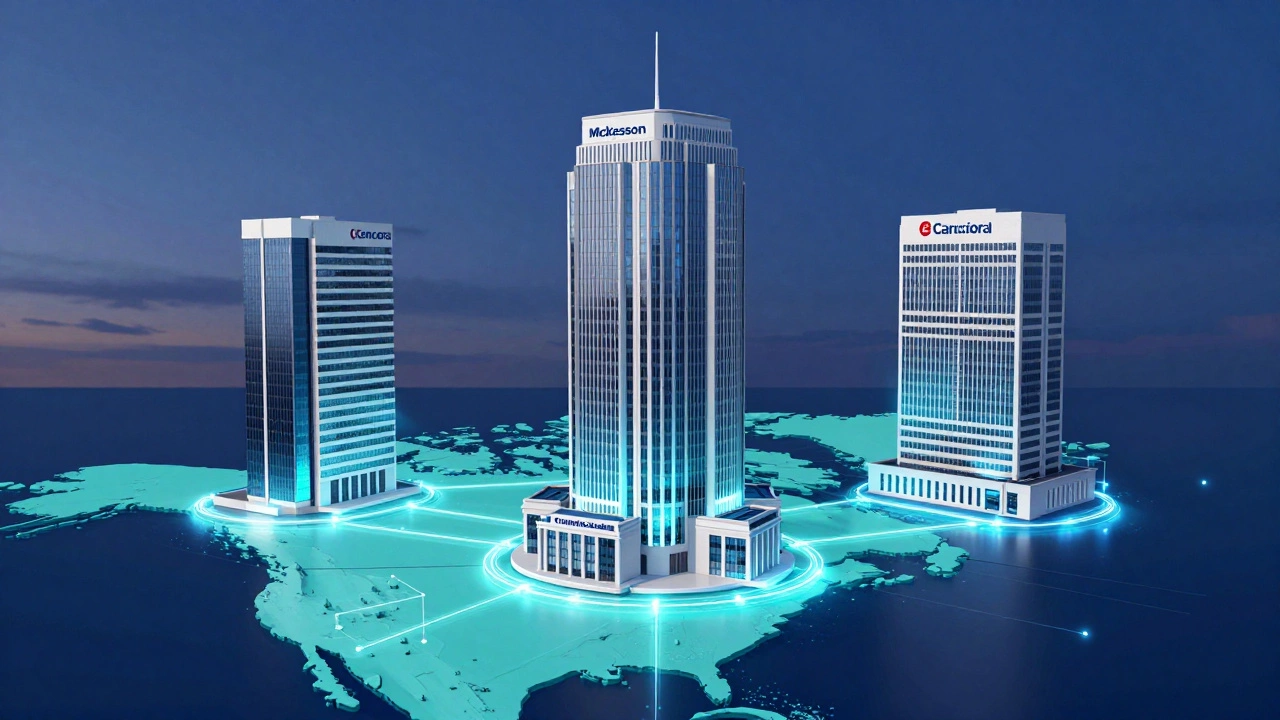
The global pharmaceutical wholesale market is an oligopoly. In plain English, that means a few large companies dominate the entire industry. If you look at the United States, which represents the largest share of global pharma sales, three names appear consistently at the top: McKesson, AmerisourceBergen (now often referred to under its parent company Cencora), and Cardinal Health.
These three entities handle roughly 90% of all prescription drug distribution in the US. When a manufacturer like Pfizer or Johnson & Johnson produces a new vaccine, they don’t call ten thousand pharmacies individually. They sell in bulk to these wholesalers. The wholesalers then break down those bulk orders and deliver them to hospitals, retail pharmacies, and clinics.
| Company | Headquarters | Key Strengths | Primary Markets |
|---|---|---|---|
| McKesson | Irving, Texas, USA | Highest revenue, strong tech integration | US Hospitals, Retail Pharmacies |
| AmerisourceBergen (Cencora) | Conshohocken, Pennsylvania, USA | Specialty drugs, retail focus | Retail Chains, Specialty Clinics |
| Cardinal Health | Dublin, Ohio, USA | Hospital supplies, medical devices | Hospitals, Group Purchasing Organizations |
Why McKesson Holds the Title
McKesson Corporation isn’t just big; it is enormous. With annual revenues often exceeding $200 billion, it dwarfs most other companies in the healthcare sector. The reason it sits at the top is scale. McKesson has built an infrastructure so vast that it can move products faster and cheaper than almost anyone else.
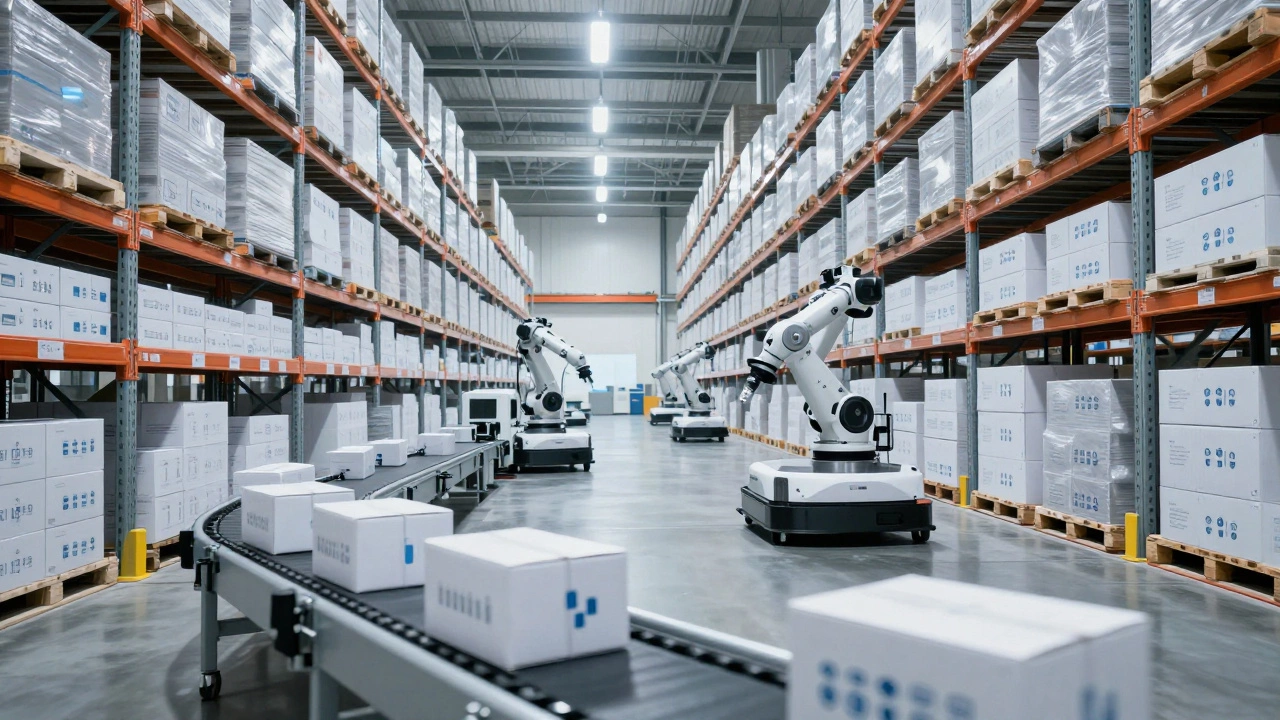
Think about logistics. A pharmaceutical product has a shelf life. It needs temperature control. It needs to arrive before the patient gets sick. McKesson operates dozens of distribution centers across the country. When a hurricane hits Florida or a pandemic spikes demand for antivirals, McKesson’s ability to reroute shipments quickly keeps hospitals stocked. This operational efficiency allows them to negotiate better deals with manufacturers, which reinforces their position as the biggest player.
They also invest heavily in technology. Their digital platforms help pharmacies manage inventory automatically. If a pharmacy runs low on insulin, McKesson’s system can predict the need and ship more before the pharmacist even places an order. This seamless service locks customers into their ecosystem.
The Role of AmerisourceBergen and Cardinal Health
While McKesson leads in total revenue, its competitors are formidable. AmerisourceBergen, now operating largely under the brand Cencora after spinning off its consumer health business, focuses heavily on specialty pharmaceuticals. These are high-cost drugs used for complex conditions like cancer or rheumatoid arthritis. Because these drugs require careful handling and education for patients, AmerisourceBergen has carved out a lucrative niche that pure volume play doesn’t cover.
Cardinal Health takes a slightly different approach. While they distribute drugs, they are also a major supplier of medical supplies and equipment. If a hospital needs IV bags, syringes, and antibiotics, Cardinal often provides the whole package. This "one-stop-shop" model makes them indispensable to hospital networks. They also have deep ties with Group Purchasing Organizations (GPOs), which allow smaller hospitals to band together to buy drugs at lower prices.
Global Players Beyond the US
The US market is unique because of its size and fragmented insurance system. Outside the US, the dynamics change. In Europe and Asia, government-run healthcare systems often centralize purchasing differently. However, some global giants still stand out.
Companies like Omnicare (though smaller in global terms) and regional leaders in countries like India and China play significant roles. In India, for example, the rise of digital health platforms has created new types of wholesalers that connect manufacturers directly to smaller rural clinics. Companies like MedPlus or Apollo Pharmacy have expanded their wholesale arms to compete with traditional distributors. This decentralization is a trend to watch, especially as e-commerce disrupts traditional supply chains.
How Wholesalers Make Money
You might wonder, if they are just moving boxes, how do they make billions? The margin on a single pill is tiny. Sometimes less than a cent. So, where does the profit come from?
- Volume: They sell millions of units. Small margins multiplied by huge volume equal significant profit.
- Rebates: Drug manufacturers pay wholesalers rebates to ensure their products are stocked prominently or preferred over competitors.
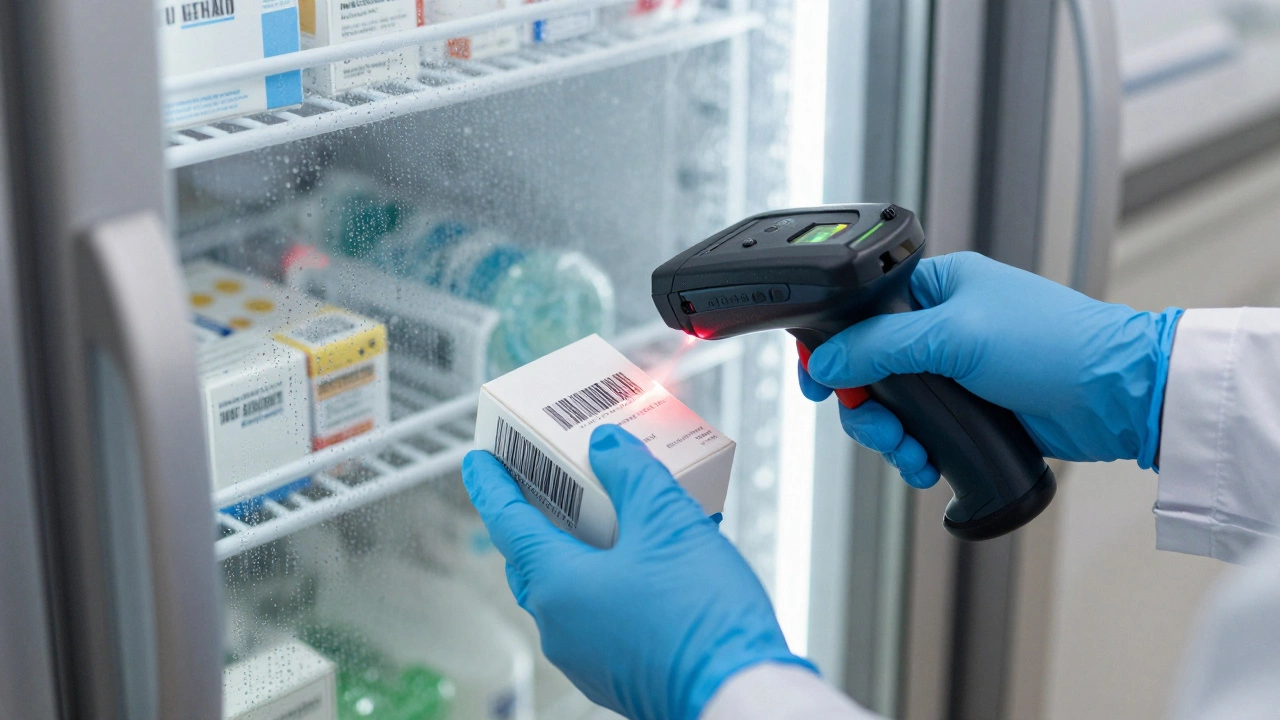
- Supply Chain Services: They charge fees for specialized services like cold-chain storage for vaccines or automated dispensing machines in hospitals.
- Financial Services: Large wholesalers offer financing options to pharmacies, allowing them to buy inventory now and pay later.
This business model relies on speed and accuracy. A delay in shipping can mean a patient misses a dose of critical medication. That risk drives the high value placed on reliable wholesalers.
Challenges Facing the Industry
The pharmaceutical wholesale industry isn’t immune to problems. One major issue is drug shortages. When a manufacturing plant shuts down due to quality issues, the shortage ripples through the wholesale network. Wholesalers often have to ration supplies, deciding which hospitals get priority. This creates ethical dilemmas and public scrutiny.
Another challenge is pricing transparency. Critics argue that wholesalers contribute to high drug costs in the US. While they claim their margins are thin, the complexity of rebates and discounts makes it hard for outsiders to see the true cost breakdown. Governments are increasingly pushing for reforms to simplify these processes.
Cybersecurity is also a growing threat. Since wholesalers hold data on millions of patients and transaction records, they are prime targets for hackers. A breach can disrupt supply chains and compromise sensitive health information. Investing in robust IT security is no longer optional; it is a survival requirement.
The Future of Pharmaceutical Distribution
What does the future look like? Expect more consolidation. Smaller regional wholesalers are likely to be bought up by the big three or other international giants. Efficiency gains from automation and AI will continue to drive down costs but also raise barriers to entry for new competitors.
We may also see more direct-to-patient models. Telemedicine is booming, and some wholesalers are partnering with online clinics to ship medications directly to consumers’ doors, bypassing the local pharmacy entirely. This shifts the power dynamic and could reduce the reliance on physical retail locations.
For stakeholders in the pharma industry, understanding who controls the pipeline is crucial. Whether you are a manufacturer trying to launch a new drug or a policymaker looking to control costs, the wholesalers are the gatekeepers. Knowing that McKesson, Cencora, and Cardinal Health hold the keys helps you navigate the complexities of modern healthcare logistics.
Is McKesson the only pharmaceutical wholesaler?
No, McKesson is not the only one. While it is the largest by revenue, AmerisourceBergen (Cencora) and Cardinal Health are also major players. Together, these three control the majority of the US market. There are also many smaller regional wholesalers and international distributors.
How do pharmaceutical wholesalers differ from manufacturers?
Manufacturers create the drugs in labs and factories. Wholesalers buy these drugs in bulk and distribute them to pharmacies, hospitals, and clinics. Manufacturers focus on R&D and production, while wholesalers focus on logistics, storage, and delivery.
Why are there only a few big wholesalers?
The industry requires massive infrastructure, including warehouses, transportation fleets, and advanced IT systems. Building this network is expensive, leading to high barriers to entry. Over time, larger companies have acquired smaller ones, resulting in an oligopoly dominated by a few giants.
Do wholesalers set drug prices?
Wholesalers do not set the base price of drugs; manufacturers do. However, wholesalers influence the final cost through rebates, discounts, and supply chain fees. The complex web of negotiations between manufacturers, wholesalers, insurers, and pharmacies determines what patients ultimately pay.
What happens during a drug shortage?
During a shortage, wholesalers must allocate limited supplies among their customers. They often prioritize large hospital systems or follow guidelines from health authorities. This can lead to delays for smaller pharmacies and increased stress on the healthcare system.