Manufacturing Sector Growth Finder
Not sure where to invest? Answer two quick questions to find your ideal manufacturing niche.
Recommended Sector:
Why this fits you:
Actionable Next Steps:
You’re staring at a spreadsheet, wondering where to put your money. Should you build another plastic injection molding plant? Maybe invest in traditional textile looms? The truth is, the manufacturing landscape has shifted beneath our feet. If you’re asking which manufacturing industry is growing, you need to look past the old giants like steel and basic assembly. The real money in 2026 is hiding in sectors that combine technology with sustainability.
Here’s the reality: generic manufacturing is dead. What’s alive is specialized, high-tech, and green. Whether you are an entrepreneur looking for a startup idea or an investor scanning the horizon, understanding these shifts is non-negotiable. Let’s break down exactly which sectors are expanding right now, why they’re winning, and how you can position yourself in them.
The Green Revolution: Sustainable Materials and Packaging
Forget everything you know about plastic waste being someone else’s problem. In 2026, it’s a billion-dollar opportunity. Governments across Europe and Asia have tightened regulations on single-use plastics, forcing brands to switch to biodegradable alternatives. This isn’t just a trend; it’s a regulatory mandate driving massive demand.
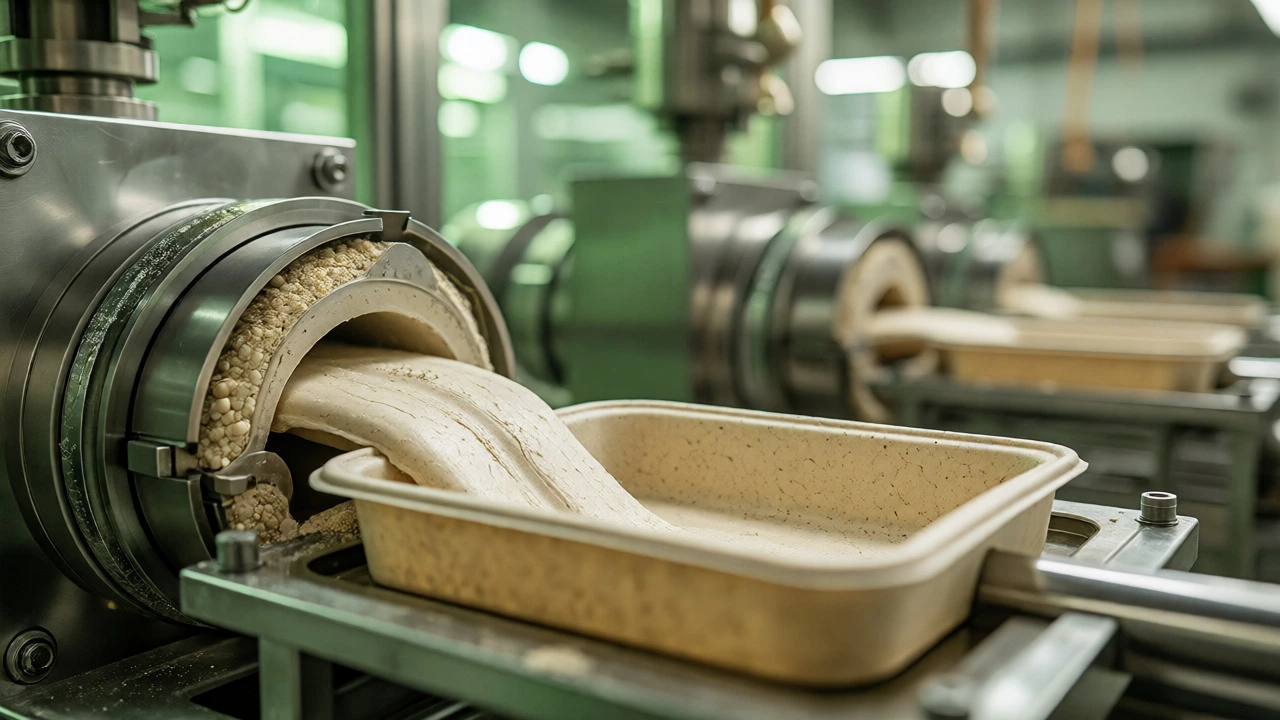
Sustainable Packaging is a manufacturing sector focused on producing materials that decompose naturally or are fully recyclable, such as mushroom-based foams, seaweed films, and recycled paper composites. Unlike traditional packaging, which relies on petroleum derivatives, this industry leverages agricultural waste and biological processes.
Why is this growing so fast? Because major retailers like Amazon and Tesco have committed to zero-waste goals. They need suppliers who can deliver compostable mailers and rigid containers at scale. If you can set up a facility that turns cornstarch into durable boxes, you’re not just selling products; you’re solving a compliance headache for huge corporations.
- Low Barrier to Entry: You don’t need a billion-dollar factory. Small-scale extrusion lines can start with modest capital.
- High Demand: Every e-commerce brand needs packaging. The market is insatiable.
- Regulatory Tailwinds: Laws banning microplastics create guaranteed customer bases.
Electronics: Beyond Chips to Wearables and IoT
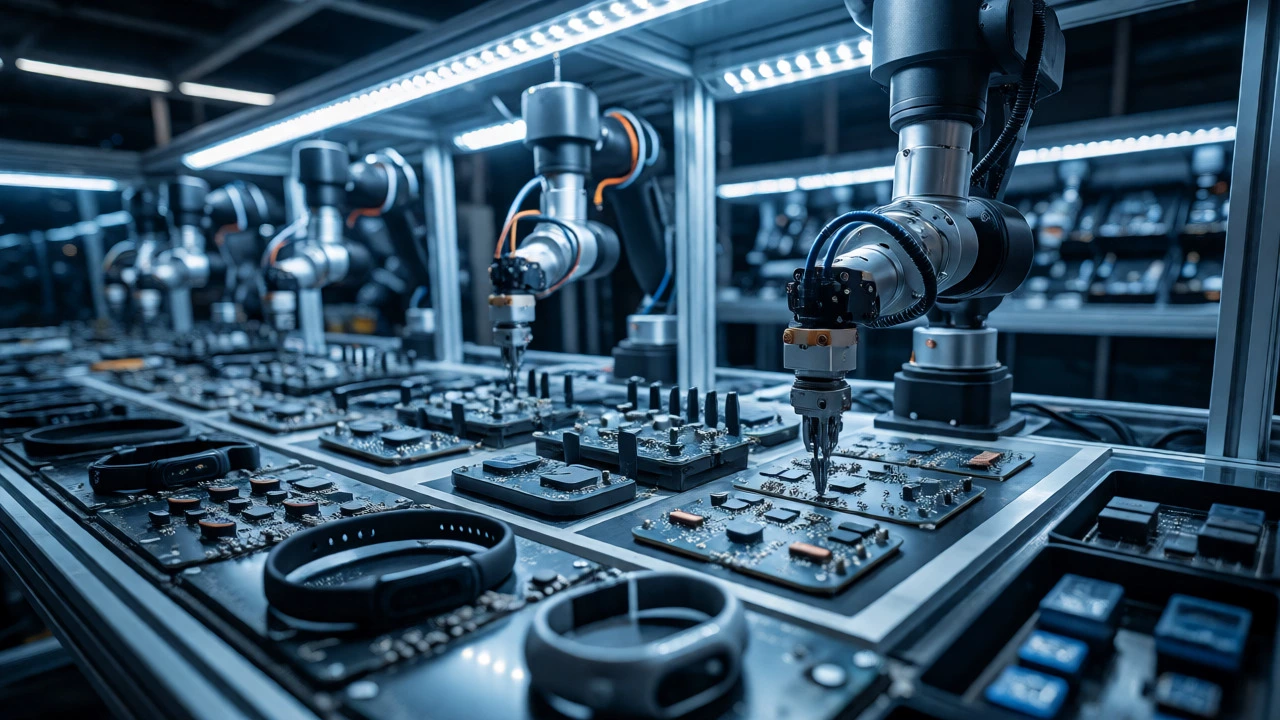
Everyone talks about semiconductors, but the chip shortage is stabilizing. The new growth area in Electronics Manufacturing is the production of consumer-facing devices like smart wearables, Internet of Things (IoT) sensors, and home automation hubs. These aren’t just gadgets; they’re data collectors that require precise assembly and miniaturization.
Think about the last time you bought a fitness tracker. It wasn’t just sold because it counted steps; it was sold because it integrated with your health app. That integration requires sophisticated manufacturing partnerships. Companies are moving away from mass-producing identical phones to creating niche electronic devices for specific uses-smart gardening tools, pet trackers, or elderly care monitors.
This shift favors agile manufacturers who can handle smaller batch sizes with higher complexity. If you have experience with surface-mount technology (SMT) or precision assembly, pivoting to IoT device manufacturing offers better margins than competing with Apple or Samsung on volume alone.
Pharmaceuticals: The Rise of Personalized Medicine
Traditional pharma manufacturing is stable, but it’s not exploding. The explosive growth is in Personalized Medicine, the customization of medical treatment based on individual genetic profiles, requiring flexible small-batch manufacturing facilities. Instead of producing millions of identical pills, factories are now producing thousands of unique dosages tailored to patient DNA.
This changes the entire business model. You no longer need massive warehouses for bulk inventory. You need automated lines that can switch between formulations quickly. For entrepreneurs, this means investing in robotics and AI-driven quality control rather than just physical capacity. The demand here is driven by an aging population in developed nations and a growing middle class in emerging markets demanding better healthcare outcomes.
| Sector | Growth Rate (CAGR) | Key Driver | Entry Difficulty |
|---|---|---|---|
| Sustainable Packaging | 8-10% | Regulations & E-commerce | Medium |
| Electronics (IoT/Wearables) | 7-9% | Consumer Tech Adoption | High |
| Personalized Pharma | 6-8% | Aging Population & Genomics | Very High |
| EV Components | 12-15% | Automotive Transition | High |
Electric Vehicle (EV) Components: The New Auto Industry
If you think car manufacturing is declining, you’re looking at the wrong part of the supply chain. Internal combustion engine parts are shrinking, but EV Component Manufacturing is the production of batteries, electric motors, charging infrastructure, and lightweight chassis materials specifically designed for electric vehicles. This sector is experiencing double-digit growth as governments phase out petrol cars.
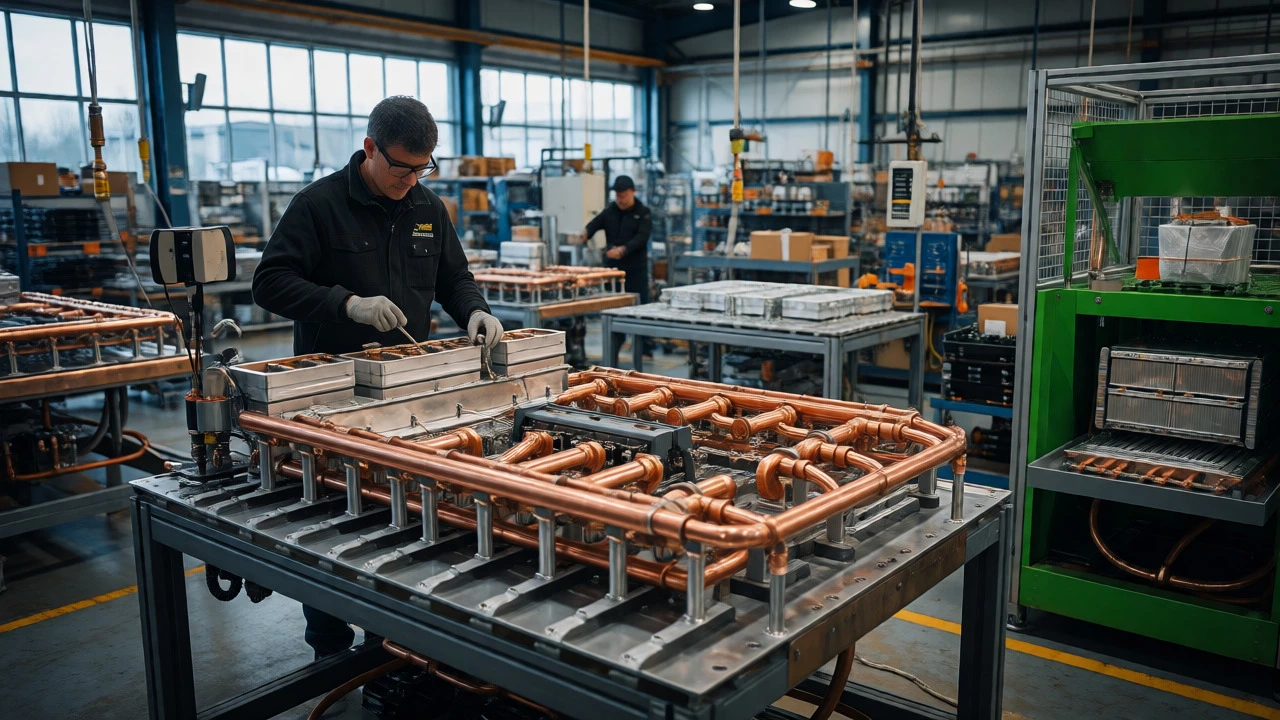
You don’t need to build a whole car to profit here. Look at the sub-components. Battery cooling systems, copper busbars, and specialized wiring harnesses are in short supply. Many traditional auto parts makers are struggling to pivot, leaving gaps for new entrants. If you specialize in precision metalworking or electrical assembly, retooling for EV components is a strategic move.
Consider the battery recycling angle too. As the first generation of EVs reaches end-of-life, extracting lithium and cobalt from old batteries is becoming a viable manufacturing process itself. It’s a circular economy play that attracts both environmental grants and corporate interest.
Food Processing: Plant-Based and Functional Foods
People aren’t just eating less meat; they’re eating differently. Plant-Based Food Manufacturing is the industrial processing of legumes, grains, and fungi into meat alternatives, dairy substitutes, and functional snacks rich in protein or probiotics. This sector has matured beyond niche health food stores into mainstream supermarkets.
The growth here isn’t just in tofu burgers. It’s in functional foods-products enhanced with vitamins, adaptogens, or gut-health bacteria. Manufacturers who can master extrusion technology to create realistic textures from peas or fava beans are winning contracts with major food brands. The key is scalability. Consumers want plant-based options at the same price point as animal products, which demands efficient, large-scale production lines.
Another hot sub-sector is ready-to-eat meal kits. Post-pandemic habits stuck. People still value convenience but demand healthier ingredients. Localized food manufacturing facilities that produce fresh, short-shelf-life meals are thriving because they reduce logistics costs and appeal to eco-conscious buyers.
How to Choose Your Niche
So, which one should you pick? It depends on your resources and risk tolerance.
If you have limited capital, start with sustainable packaging or specialized food processing. These allow for smaller batch runs and local distribution networks. You can test the market without betting the farm on expensive machinery.
If you have technical expertise and access to venture capital, look at electronics or EV components. These require significant upfront investment in R&D and equipment but offer higher barriers to entry for competitors once you’re established.
Ask yourself these questions before committing:
- Do I have existing supply chain connections? If you already work with automotive suppliers, EV parts are a natural transition.
- Can I meet regulatory standards? Pharma and food require strict certifications. Ensure you have the budget for compliance.
- Is there local demand? While global trends matter, starting with regional customers reduces shipping costs and builds credibility.
Pitfalls to Avoid
Don’t fall into the trap of chasing hype without fundamentals. Just because a sector is growing doesn’t mean every company within it will succeed. Watch out for overcapacity. In 2024 and 2025, many rushed into solar panel manufacturing, leading to price wars. Before entering, check if there’s actual undersupply or if everyone else is jumping in too.
Also, ignore labor cost arbitrage. Moving production to cheaper countries is less effective when automation handles most tasks. Focus on proximity to your market instead. Nearshoring allows for faster iteration and lower carbon footprints, which appeals to modern consumers.
Frequently Asked Questions
Is traditional manufacturing dying?
No, but it is transforming. Traditional sectors like steel and textiles are stabilizing or growing slowly. The rapid growth is happening in specialized niches within these broader categories, such as green steel or technical textiles for medical use.
What is the easiest growing manufacturing industry to enter?
Sustainable packaging and artisanal food processing generally have lower capital requirements compared to electronics or pharmaceuticals. However, they face intense competition, so differentiation through branding or unique material properties is crucial.
How does automation affect these growing industries?
Automation is essential for profitability in all listed sectors. In electronics and pharma, it ensures precision and consistency. In packaging and food, it drives speed and reduces labor costs. Investors should prioritize businesses with integrated robotic solutions.
Are government subsidies available for green manufacturing?
Yes, many governments offer grants, tax breaks, and low-interest loans for companies adopting sustainable practices. Check local programs in your region, as incentives vary significantly between countries and even cities.
Which region is best for starting a manufacturing business?
It depends on your target market. For EV components, regions with strong automotive clusters (like Germany or Michigan) are ideal. For electronics, Southeast Asia remains competitive, but nearshoring to Eastern Europe or Mexico is gaining traction due to supply chain resilience concerns.