Manufacturing Profitability Calculator
Estimate your monthly profit based on industry averages for 2026 niches.
Most people think you need a massive factory and millions in capital to make money in manufacturing. That’s a myth. In 2026, the most profitable manufacturing businesses aren’t the ones with the biggest footprints-they’re the ones that solve specific, urgent problems for a narrow audience. You don’t need to build cars to get rich; you might just need to build specialized brackets for electric vehicle batteries or eco-friendly packaging for local food brands.
The secret isn’t volume alone. It’s margin plus scalability. A business selling $10 items at a 10% profit needs ten times more sales than a business selling $100 items at a 40% profit to hit the same revenue goal. When you pick your manufacturing path, you’re really picking your customer’s pain point and your ability to solve it efficiently.
Quick Summary: The Top Contenders
- Bio-based Packaging: Highest growth potential due to strict global plastic bans and corporate sustainability goals.
- Niche Electronics Assembly: Best for technical founders; high margins on IoT sensors and medical device components.
- Specialty Food Processing: Strongest cash flow for beginners; low entry cost with recurring B2B contracts.
- Custom Metal Fabrication: Reliable demand from construction and renewable energy sectors (wind/solar).
- Textile Upcycling: Emerging trend with premium pricing power in fashion and home decor.
Why "Profitable" Depends on Your Model
Before listing specific industries, we need to define what drives profit in manufacturing today. It’s rarely about making the cheapest product. Cheap means competing with automated giants in Asia or highly subsidized domestic producers. Instead, profitability comes from three levers:
- Value-Added Transformation: Turning a cheap raw material into something significantly more valuable through processing (e.g., turning agricultural waste into bioplastic).
- Regulatory Tailwinds: Industries where government laws force companies to buy your product (e.g., single-use plastic alternatives).
- Low Customer Acquisition Cost: Niche markets where you can reach buyers directly without expensive advertising.
In 2026, supply chain resilience is king. Companies are willing to pay 15-20% more for manufacturers who can deliver quickly and reliably locally, rather than waiting months for overseas shipments. This shift creates huge opportunities for small-to-mid-sized manufacturers.
Top 5 Most Profitable Manufacturing Niches in 2026
1. Biodegradable Packaging Solutions
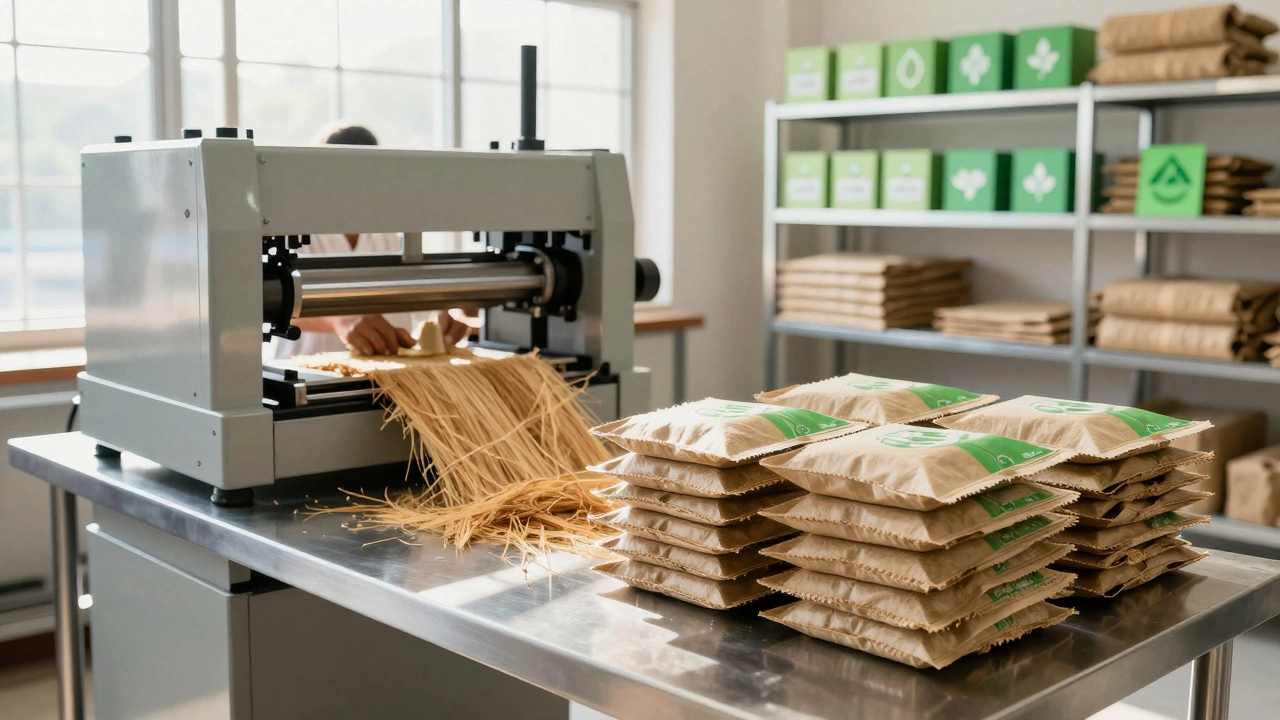
This is arguably the hottest sector right now. With the EU Single-Use Plastics Directive fully enforced and similar laws spreading globally, corporations are scrambling to replace styrofoam and plastic films. If you can manufacture compostable mailers, plant-based cutlery, or mushroom-based protective packaging, you have a captive market.
Bio-packaging is a sustainable alternative to traditional plastics made from materials like cornstarch, sugarcane bagasse, or mycelium. The global market for this segment is projected to exceed $80 billion by 2027. Margins here can range from 30% to 50% because customers view these products as compliance necessities, not optional luxuries.You don’t need a chemical plant. Many successful startups start with semi-automatic molding machines using recycled paper pulp or agricultural waste. The key is securing a consistent supply of raw material-partnering with local farms for crop residue can keep your costs near zero.
2. Specialized Electronics & IoT Components
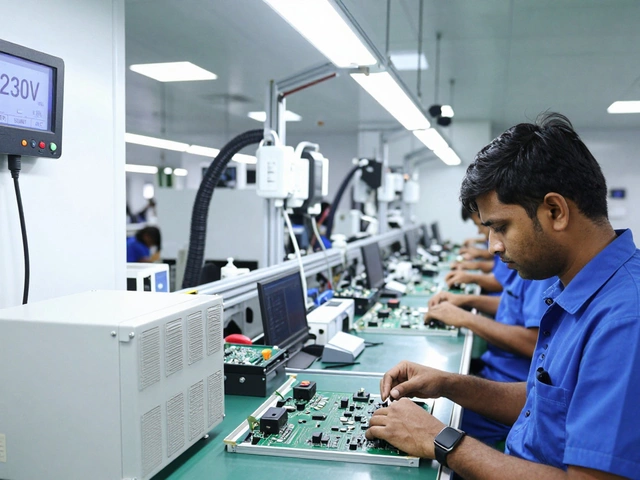
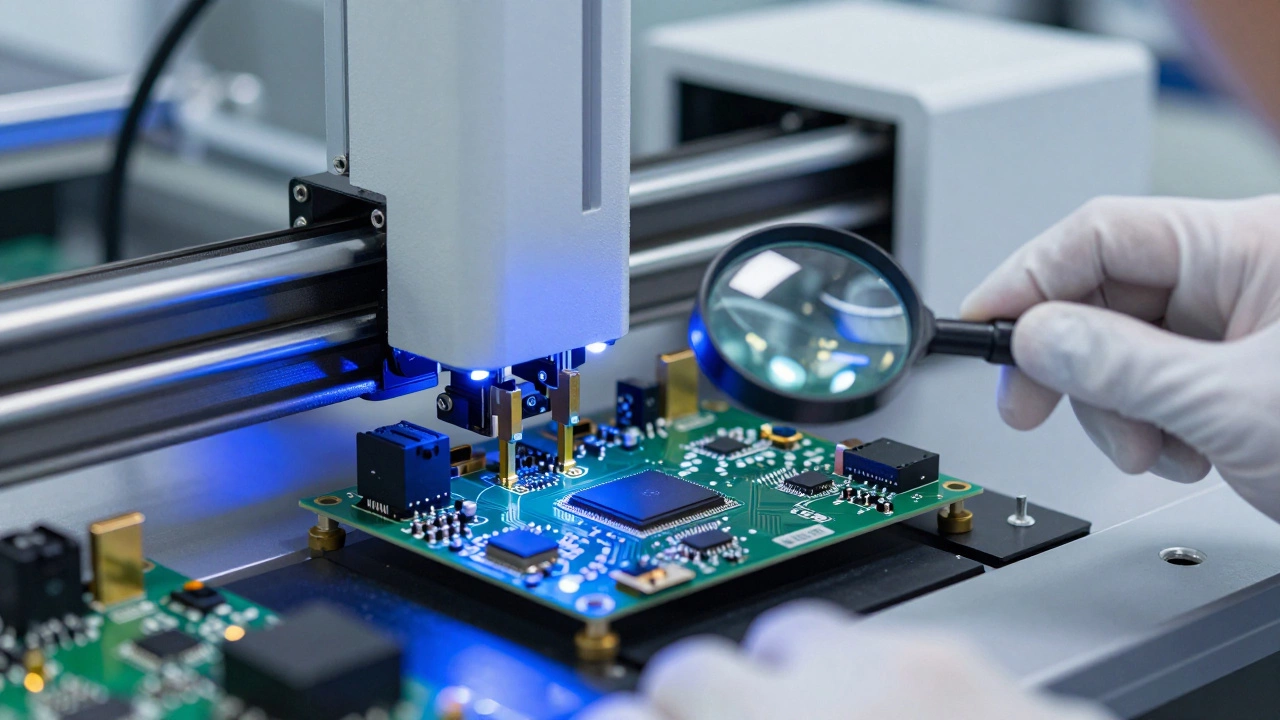
While assembling smartphones is dominated by tech giants, there’s a massive gap in the middle for custom electronics. Think of smart sensors for agriculture, waterproof connectors for marine equipment, or custom PCBs (Printed Circuit Boards) for medical devices. These are low-volume, high-complexity jobs that big factories ignore.
If you have engineering skills, this is one of the highest-margin paths. A small team with SMT (Surface Mount Technology) pick-and-place machines can produce boards worth hundreds of dollars each. The barrier to entry is technical knowledge, not just capital. However, once you qualify as a supplier for a mid-sized tech firm, those contracts often last for years with steady volume.
3. Specialty Food Processing
Food is always in demand, but generic commodities like flour or sugar offer razor-thin margins. The profit lies in specialization. Consider producing organic spice blends, gluten-free snack bars, or cold-pressed juices for local health stores. Even better: private label manufacturing for restaurants or boutique grocery chains.
The advantage here is speed to market. You can set up a compliant kitchen or small processing line for under $50,000. Cash flow is usually faster too-many food distributors pay within 30 days. The risk? Shelf life and spoilage. You must master inventory management. But if you create a product that becomes a staple for a regional chain, your recurring revenue will be very stable.
4. Renewable Energy Components
The green energy transition isn’t slowing down. Wind turbines, solar panels, and battery storage systems require thousands of specialized parts. Small manufacturers can thrive by making mounting brackets, cable harnesses, or heat sinks for inverters. These components are critical, meaning buyers won’t switch suppliers lightly if you meet quality standards.
Metal fabrication shops that pivot to serving the solar industry see immediate benefits. For example, producing aluminum frames for rooftop solar installations requires standard CNC machinery but commands higher prices due to the industry’s growth trajectory. In regions with strong solar incentives, like parts of Europe and North America, demand outstrips supply.
5. Textile Upcycling and Custom Apparel
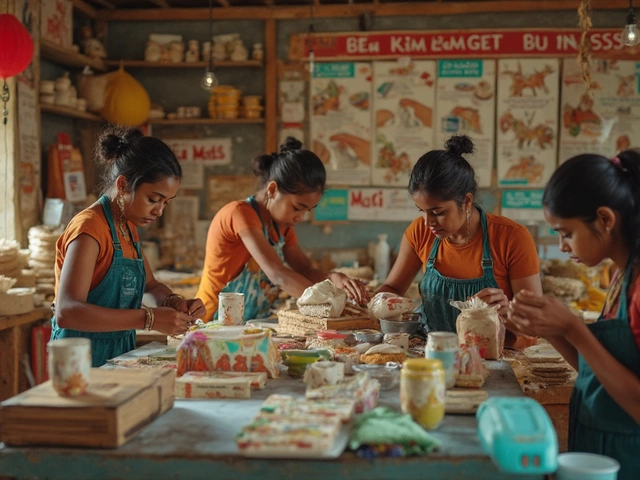
Fashion is facing a crisis of waste. Brands are under pressure to reduce landfill contributions. Enter textile upcycling: taking deadstock fabric or returned garments and transforming them into new, unique products. This isn’t just recycling; it’s value creation. A discarded pair of jeans can become a trendy tote bag sold for triple its original value.
This model works well for small workshops. Labor is the main cost, but automation in cutting (using laser cutters) reduces waste and increases precision. The brand story sells itself-consumers love transparency and sustainability. Margins on upcycled goods often exceed 60% because the perceived uniqueness justifies premium pricing.
Comparison: Which Path Fits You?
| Niche | Avg. Gross Margin | Startup Cost | Key Skill Required | Growth Potential |
|---|---|---|---|---|
| Bio-Packaging | 30-50% | Medium ($50k-$150k) | Supply Chain Management | Very High |
| Electronics Assembly | 40-60% | High ($100k+) | Engineering/Technical | High |
| Specialty Food | 25-40% | Low ($10k-$50k) | Recipe Development/Sales | Medium |
| Renewable Parts | 20-35% | Medium-High ($75k+) | CNC/Machining | High |
| Textile Upcycling | 50-70% | Low ($5k-$20k) | Design/Marketing | Medium-High |
Hidden Costs That Kill Margins
New entrepreneurs often focus only on material and labor costs. They forget the silent killers:
- Compliance and Certification: ISO 9001, FDA approvals, or CE marking can cost thousands upfront. Factor this into your initial budget.
- Waste and Scrap: In metalworking, scrap rates of 10-15% are common. Efficient nesting software can cut this in half, directly boosting profit.
- Energy Consumption: Industrial electricity rates vary wildly. Locate your facility near cheaper power grids or invest in solar to hedge against rising utility costs.
- Payment Terms: If you sell to large retailers, they may pay in 60-90 days. Ensure you have working capital to cover payroll during that gap.

How to Validate Your Idea Before Spending
Don’t buy machinery until you have a letter of intent from a customer. Here’s a simple validation framework:
- Identify the Pain Point: Talk to 10 potential buyers. Ask what frustrates them about their current supplier. Is it lead time? Quality? Minimum order quantities?
- Create a Prototype: Use local makerspaces or freelance engineers to build a sample. Show it to your prospects.
- Get Pre-orders: Offer a discount for early commitment. If they won’t put money down, they aren’t serious.
- Calculate Unit Economics: Map every cost per unit. If your break-even price is higher than the market rate, tweak the design or find cheaper materials.
Scaling Without Losing Control
Once you find a profitable niche, scaling is tempting but dangerous. Many manufacturers grow too fast, hire untrained staff, and let quality slip. The result? Lost contracts and damaged reputation.
Scale incrementally. Automate one process at a time. Invest in employee training before buying new machines. Keep your customer acquisition channel tight-don’t chase every lead. Focus on clients who value reliability over rock-bottom prices. As you grow, consider vertical integration: if you make furniture, start making the handles. Capturing more steps in the value chain keeps more profit in your pocket.
What is the easiest manufacturing business to start with low capital?
Candle making, soap production, and simple textile crafts like t-shirt printing are among the easiest to start. These require minimal equipment (under $2,000) and have low regulatory hurdles. However, competition is fierce, so success depends heavily on branding and direct-to-consumer marketing rather than just production efficiency.
Is food manufacturing more profitable than industrial manufacturing?
It depends on the niche. General food processing has lower margins (10-20%) due to perishability and intense competition. However, specialty foods (organic, keto, allergen-free) can achieve 30-40% margins. Industrial manufacturing typically offers steadier, albeit lower, margins (15-25%) but with larger contract volumes and longer customer lifecycles.
How much does it cost to start a bio-packaging factory?
A small-scale bio-packaging operation using pulping and molding technology can start for $50,000 to $150,000. This covers basic machinery, a small warehouse space, and initial raw material inventory. Larger automated lines can cost upwards of $500,000. Grants and green energy subsidies in many countries can offset 20-40% of these costs.
What are the biggest risks in starting a manufacturing business in 2026?
The top risks are supply chain volatility for raw materials, changing environmental regulations, and labor shortages. To mitigate these, diversify your suppliers, stay ahead of compliance updates, and invest in automation to reduce dependency on manual labor. Also, maintain a healthy cash reserve to handle unexpected disruptions.
Can I run a manufacturing business from home?
Yes, for certain niches. Home-based manufacturing works best for low-noise, low-odor, and small-footprint products like jewelry, custom electronics assembly, candle making, or small-batch food items. Check local zoning laws and health department regulations first. As you grow, you’ll likely need to move to a commercial unit to accommodate equipment and safety requirements.