Oldest Company Finder
Explore which ancient companies are still operating today. Select a company or filter by sector to see their founding year and current status.
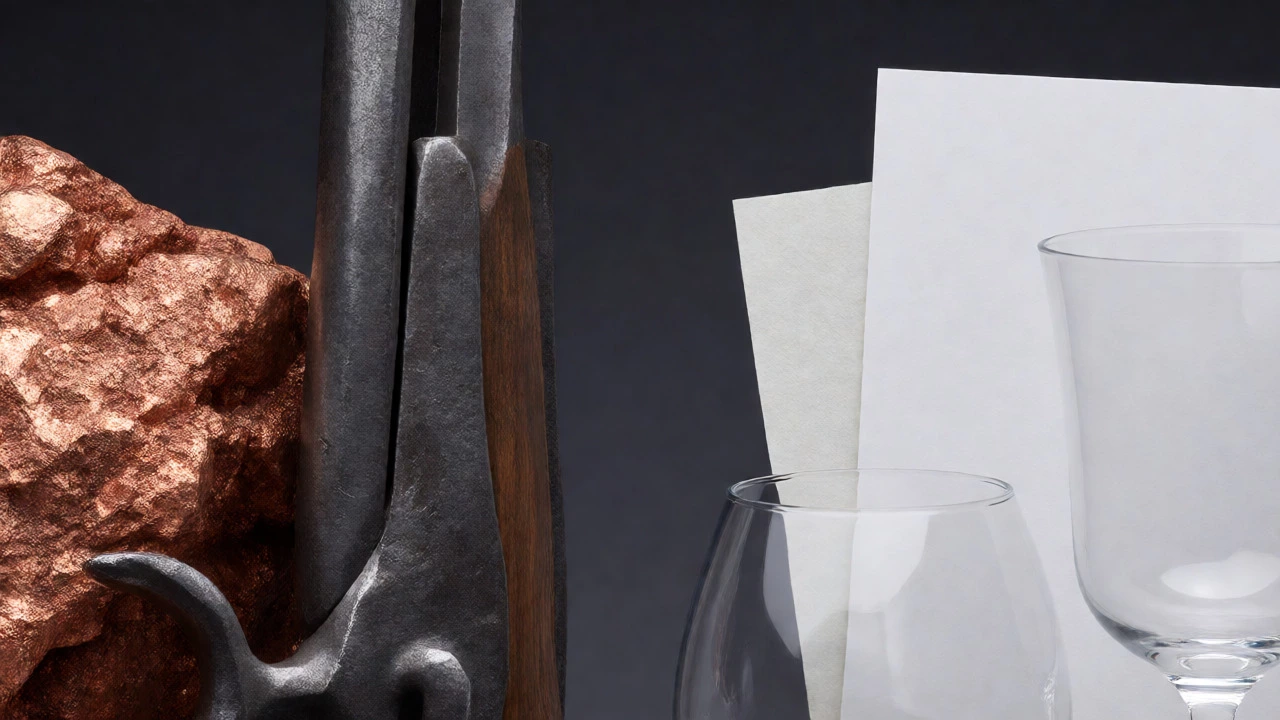
You might think the oldest companies are tech giants or modern retail empires. But if you dig into business history, you find something far more impressive: a Swedish mining and forestry company that has been operating since 1288. That’s over 700 years of continuous production. When people ask what is the oldest manufacturing company, they usually expect a name like Ford or GE. The reality is much older, and often involves industries we don’t typically associate with "manufacturing" today, like metalworking, glassmaking, and construction.
The Contender for the Title: Stora Kopparberg
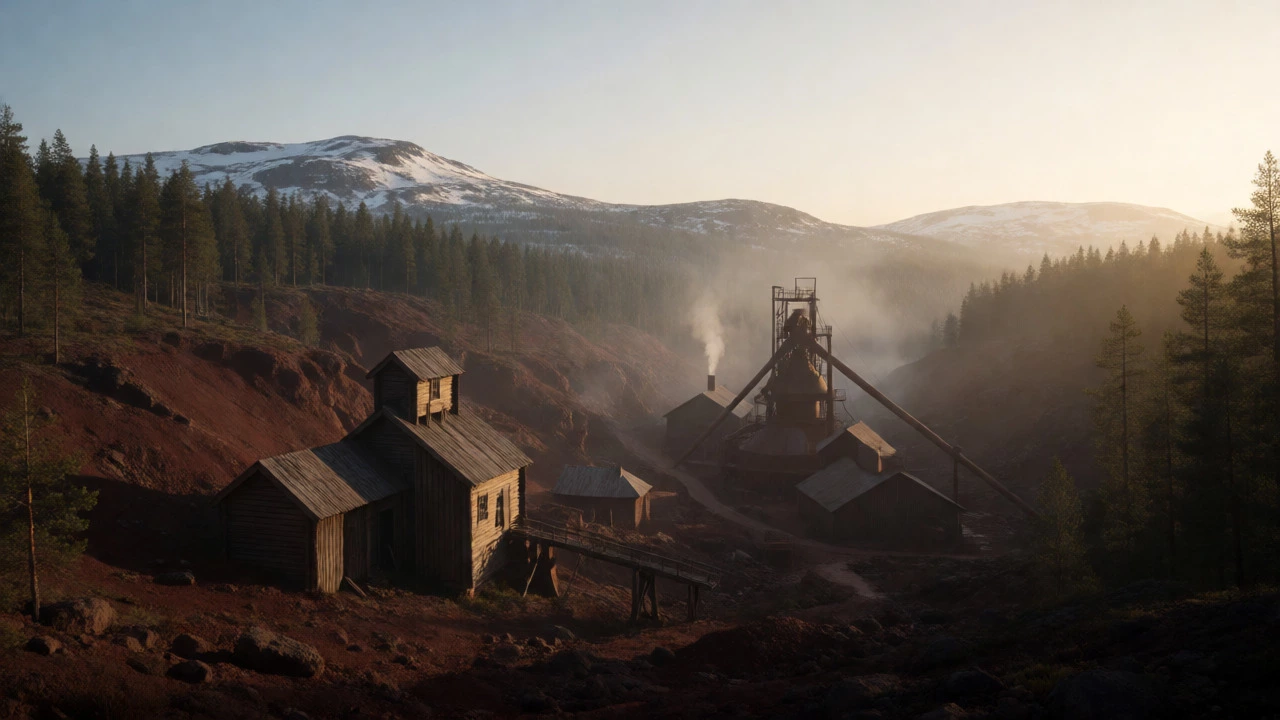
If we define manufacturing strictly as transforming raw materials into finished goods through industrial processes, the title of the world's oldest continuously operating manufacturing company goes to Stora Kopparberg, now known simply as Stora Enso. Founded in 1288 in Falun, Sweden, it started as a copper mine. But here is where the distinction matters: while it began as extraction, it quickly evolved into processing and manufacturing copper products, paper, and pulp. It holds the Guinness World Record for the oldest still-existing joint-stock company.
Why does this count? Because unlike many ancient entities that were purely trading houses or government bodies, Stora Kopparberg engaged in physical transformation of materials. They mined ore, smelted it, and manufactured goods. This operational continuity through wars, plagues, and industrial revolutions makes it a unique case study in resilience.
Defining "Manufacturing" vs. "Construction"
Before we list other candidates, we need to clear up a common confusion. Many lists cite Japanese temple builders as the oldest companies. For example, Kongo Gumi was founded in 578 AD. However, Kongo Gumi was primarily a construction firm specializing in Buddhist temples, not a manufacturer in the traditional sense. They built structures on-site rather than producing standardized goods in a factory setting.
This distinction is crucial for answering your question accurately:
- Manufacturing: Producing goods in a facility (factories, workshops) using tools and machinery. Examples: Steel, glass, textiles.
- Construction: Building permanent structures on-site. Examples: Temples, bridges, castles.
- Services/Retail: Providing intangible value or selling goods made by others. Examples: Banking, trading posts.
If you include construction, the answer shifts to Japan. If you stick to strict manufacturing (making things), the answer leans toward Europe and Asia’s industrial heritage.
Other Ancient Manufacturers Still Operating
While Stora Kopparberg holds the crown for corporate longevity in manufacturing, several other firms have survived centuries of change. These companies offer fascinating insights into how specific trades endure.
| Company Name | Founded | Country | Primary Activity | Current Status |
|---|---|---|---|---|
| Stora Kopparberg | 1288 | Sweden | Mining, Paper, Pulp | Active (Stora Enso) |
| Nishio Glass Works | 1619 | Japan | Glassware | Active |
| Beretta | 1526 | Italy | Firearms Manufacturing | Active |
| Monin | 1912 | France | Syrup & Beverage | Active |
| Kongō Gumi | 578 | Japan | Temple Construction | Subsidiary of Takamatsu |
Beretta: The Gunsmith Who Outlived Empires
When we talk about precision manufacturing, few names command respect like Beretta. Founded in 1526 in Gardone Val Trompia, Italy, Bartolomeo Beretta delivered ten arquebus barrels to the Venetian Arsenal. That receipt still exists. Unlike many competitors who merged or went bankrupt during the World Wars, Beretta remained independent and family-owned for nearly 500 years. Their ability to adapt from hand-forged muskets to modern semi-automatic pistols demonstrates remarkable engineering continuity.
Nishio Glass Works: Japanese Craftsmanship
In Japan, artisanal manufacturing has deep roots. Nishio Glass Works, established in 1619 in Aichi Prefecture, has produced glassware for over four centuries. They survived the Meiji Restoration, two World Wars, and the digital age. What kept them alive? Specialization. While mass-produced glass flooded the market, Nishio focused on high-quality, traditional techniques. This niche strategy allowed them to maintain profitability when larger, generic manufacturers collapsed.
How Do These Companies Survive So Long?
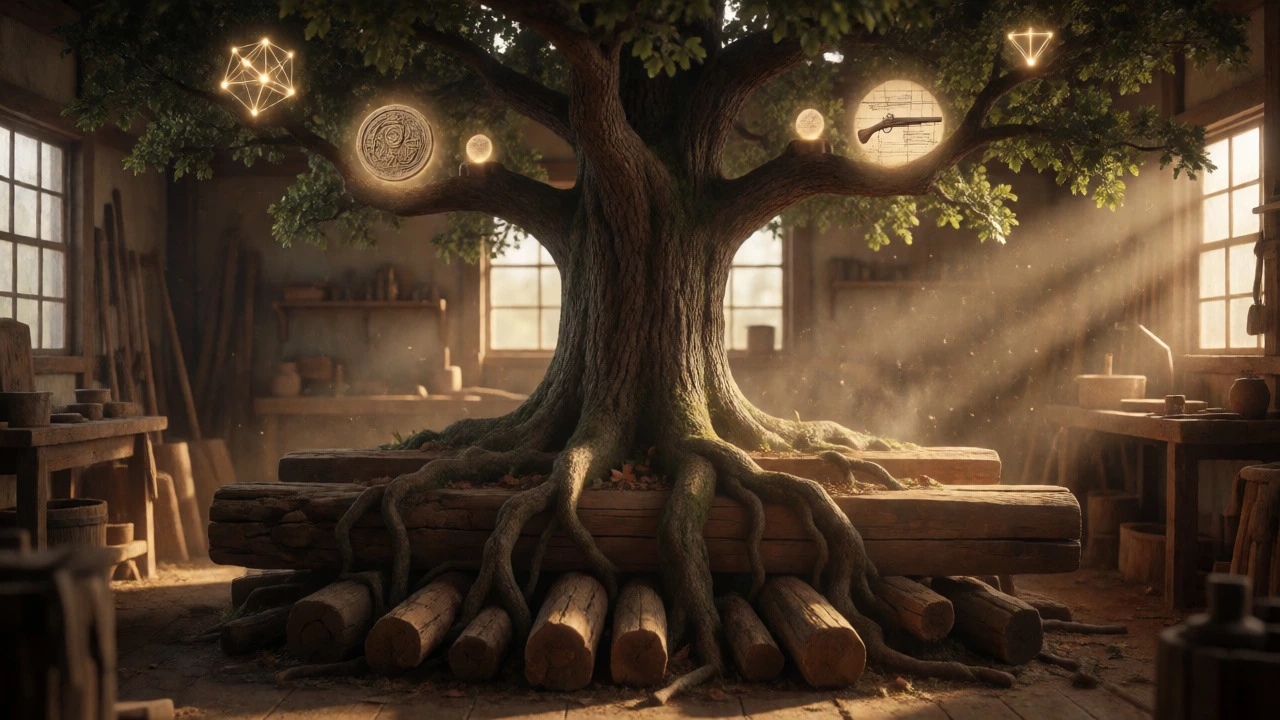
Surviving 500+ years isn't just about luck. Analyzing these companies reveals three common traits that modern businesses can learn from.
1. Adaptability Over Tradition
Stora Enso didn't stay a copper mine forever. As copper deposits dwindled, they pivoted to timber and paper. When digital media threatened paper demand, they expanded into biomass energy and packaging. Successful ancient companies treat their core product as flexible. They master the underlying capability-whether it's working with wood, metal, or glass-and apply it to whatever the market demands next.
2. Family Governance and Stability
Many of these firms are family-owned. Kongo Gumi was run by the Kongō family for 40 generations. Beretta remained under the Beretta family until recent corporate changes. Family ownership often prioritizes long-term survival over short-term quarterly profits. This patience allows them to weather economic downturns that would force publicly traded companies to cut costs aggressively, sometimes sacrificing quality or innovation.
3. Geographic Resilience
Location matters. Stora Kopparberg benefited from Sweden's neutrality during many European conflicts. Beretta operated in a region rich in iron and water power. Nishio Glass Works leveraged local sand resources and skilled labor pools. Being embedded in a stable supply chain ecosystem protects against external shocks.
Common Misconceptions About "Oldest" Companies
Search engines often return conflicting answers because definitions vary. Here is how to navigate the noise.
Myth 1: The oldest company is always the oldest brand.
Not true. Some brands disappear and get revived. A company must have continuous legal and operational existence. If a firm went bankrupt in 1920 and restarted in 1950, it doesn't count as unbroken.
Myth 2: All old companies are profitable.
Kongo Gumi actually filed for bankruptcy in 2006 due to debt from the Asian financial crisis. It was acquired by Takamatsu Construction Group. So, while the brand and operations continue, the original corporate entity did not survive independently. This highlights the difference between brand longevity and corporate solvency.
Myth 3: Technology kills old manufacturers.
Technology changes tools, not necessarily needs. People still need housing (construction), drinkable beverages (food processing), and weapons/tools (metalwork). Companies that fail are those that refuse to adopt new technologies, not those that exist for too long.
Why Should Modern Businesses Care?
You might wonder why a startup founder should care about a 700-year-old Swedish paper mill. The lessons are practical. In an era of rapid disruption, sustainability is the ultimate competitive advantage. These ancient firms prove that focusing on core competencies, maintaining financial discipline, and adapting to macro-trends creates durability.
Consider the shift from copper to paper at Stora Enso. They didn't abandon their identity as material processors; they upgraded their output. Modern manufacturers face similar choices. Will you keep making the same plastic injection mold parts forever, or will you pivot to biodegradable materials before regulations force you to? The ancient survivors show that evolution is necessary for survival.
Frequently Asked Questions
Is Stora Kopparberg really considered a manufacturing company?
Yes. While it started as a mining operation, it developed extensive processing facilities to smelt copper and later manufacture paper and pulp. These are industrial manufacturing processes involving the transformation of raw materials into finished goods, distinguishing it from pure resource extraction or trading.
Why isn't Kongo Gumi listed as the oldest manufacturer?
Kongo Gumi is widely recognized as the oldest company overall, but it was a construction firm, not a manufacturer. They built temples on-site using skilled labor rather than producing standardized goods in a factory. Most definitions of manufacturing require the production of goods in a dedicated facility.
Are there any American manufacturing companies that are very old?
The United States is relatively young compared to Europe and Asia. One of the oldest is Pennsylvania Glass Sand Company (predecessors dating back to the 1700s) or DuPont, founded in 1802 as a gunpowder mill. DuPont is likely the closest equivalent to a massive, multi-sector manufacturer with significant historical depth, though it is younger than its European counterparts.
What happened to the oldest Japanese construction company?
Kongo Gumi filed for bankruptcy in January 2006 due to accumulated debts following the real estate bubble burst in Japan. It was subsequently acquired by Takamatsu Construction Group. Today, it operates as a subsidiary, retaining its name and specialized expertise in temple restoration.
Can I visit the headquarters of the oldest manufacturing company?
Yes, Stora Enso (formerly Stora Kopparberg) has offices in Helsinki and Stockholm, but its historical roots are in Falun, Sweden. You can visit the Great Copper Mountain mines in Falun, which are a UNESCO World Heritage site and closely linked to the company's origins. The actual modern paper mills are distributed across Scandinavia and Europe.