Manufacturing Viability Estimator
Product Details
Viability Analysis
Enter your product details and click "Analyze Idea" to see your viability score.
You have a garage, maybe some spare cash, and a burning desire to make something. But staring at that empty workshop space can be paralyzing. You do not want to buy a $50,000 injection molding machine only to realize you cannot figure out how to market the plastic widgets it produces. The question isn't just "what should I make?" It's "what can I actually sell without needing a degree in supply chain management or a million-dollar ad budget?"
Here is the hard truth: the easiest thing to sell isn't necessarily the cheapest thing to make. It is the product that solves an immediate, painful problem for a specific group of people who are already looking for a solution. If you are starting a small scale manufacturing business focused on high-demand, low-complexity goods, you need to look for categories with high turnover, low technical barriers, and universal appeal. Let's break down what actually moves off the shelves fast.
The Golden Rule of Easy Sales
Before we list specific products, you need to understand the psychology behind why some items fly out the door while others gather dust. Ease of sale comes down to three factors: urgency, familiarity, and price point.
If people know exactly what the product does (familiarity), they don't need convincing. If they need it right now (urgency), they won't wait for reviews. If it costs less than a fancy dinner (low price point), the decision is impulsive rather than analytical. Your manufacturing idea must hit at least two of these three buttons.
For example, selling custom furniture is great, but it fails the "impulse" test. People think about sofas for months. Selling phone cases? Everyone has a phone, everyone breaks their case occasionally, and a $15 case is an easy yes. That is the sweet spot.
Top Contender: Consumable Household Goods
When experts discuss consumable goods products used up quickly and repurchased frequently, they aren't just talking about food. They mean things like cleaning supplies, personal care items, and paper products. Why? Because once a customer tries your soap or dish detergent, if it works, they will buy it again next month. You aren't hunting for new customers every time; you are fulfilling repeat orders.
| Product Category | Startup Cost | Sales Velocity | Repeat Purchase Rate |
|---|---|---|---|
| Artisan Soaps & Bath Bombs | Low ($500-$2k) | High | Medium-High |
| Eco-Friendly Cleaning Sprays | Low-Medium ($2k-$5k) | Very High | Very High |
| Custom T-Shirts | Medium ($3k-$10k) | High (Seasonal) | Low-Medium |
| Pet Treats | Low ($1k-$3k) | High | Very High |
Eco-friendly cleaning products are particularly strong candidates because consumers are actively seeking alternatives to harsh chemicals. The formulation process is simple: mix water, vinegar, essential oils, and a mild surfactant. Bottling them requires minimal equipment. The marketing story writes itself: "Safe for kids, tough on grime." You can start this from your kitchen counter before moving to a proper facility.
Niche Down: Pet Supplies Are Booming
People spend money on themselves reluctantly, but they spend money on their pets eagerly. The pet industry is recession-resistant. When times get tough, owners might skip a vacation, but they rarely cut back on Fido's treats.
Making organic pet treats requires basic baking knowledge and FDA compliance awareness. You don't need complex machinery. A commercial oven, a dehydrator, and packaging materials are enough to start. The barrier to entry is low, but the competition is fierce. How do you win? Specificity. Don't just make "dog bones." Make "grain-free peanut butter biscuits for senior dogs with joint issues." You solve a specific problem for a specific dog owner.
This approach leverages niche marketing targeting a specialized segment of the market rather than the mass audience. By focusing on a narrow demographic, you reduce your advertising costs because you know exactly where those buyers hang out online-specific Facebook groups, Instagram hashtags, and local vet clinics.

Personalized Gifts: The Emotional Sale
Nothing sells faster than emotion. Personalized items tap into the human desire for uniqueness and connection. Think engraved jewelry, custom nameplates, or laser-cut wooden decor.
The technology here has become incredibly accessible. Laser engraving machines allow for precise customization on wood, acrylic, and leather can now be bought for under $2,000. You can produce hundreds of unique items per day. The key advantage? Zero inventory risk. You buy the blank material only after the order comes in. This keeps your cash flow healthy, which is the lifeline of any new manufacturing venture.
However, beware of over-customization. If a customer wants a font change, a color swap, and a size adjustment, your production line slows to a crawl. Keep your options limited but meaningful. Offer three fonts, five colors, and standard sizes. Complexity kills speed, and speed equals sales volume.
Food Processing: The Ultimate Repeat Seller
If you ask any seasoned entrepreneur, they will likely tell you that specialty foods such as hot sauces, granolas, or spice blends offer high margins and rapid consumption cycles are among the easiest things to sell. Food is fuel. People eat three times a day. If your product tastes good and looks appealing, you have a built-in demand engine.
Consider hot sauce. The ingredients are cheap: peppers, vinegar, salt, sugar. The branding potential is endless. You can launch with a single SKU (Stock Keeping Unit) and expand later. The shelf life is long, reducing waste. And unlike electronics, no one needs tech support when their hot sauce arrives.
But there is a catch: regulations. You must navigate local health codes and labeling requirements. Do not ignore this step. One inspection failure can shut you down before you even start. Budget time and money for compliance early on.
Avoid These Traps
While looking for easy wins, beginners often fall into pitfalls that seem obvious in hindsight. Here is what to avoid:
- Electronics: Component sourcing is a nightmare. Supply chains break. Returns are high due to perceived defects. Avoid unless you have engineering expertise.
- Fashion Apparel: Sizing issues lead to massive return rates. Trends change overnight. Inventory becomes obsolete quickly.
- Heavy Industrial Parts: Shipping costs eat your margin. You need heavy machinery and skilled labor. Not ideal for a garage startup.
Instead, stick to lightweight, non-perishable (or long-shelf-life), and emotionally resonant products. If it fits in a shoebox and weighs less than five pounds, shipping is manageable. If it doesn't rot in a week, inventory management is easier.
How to Validate Before You Build
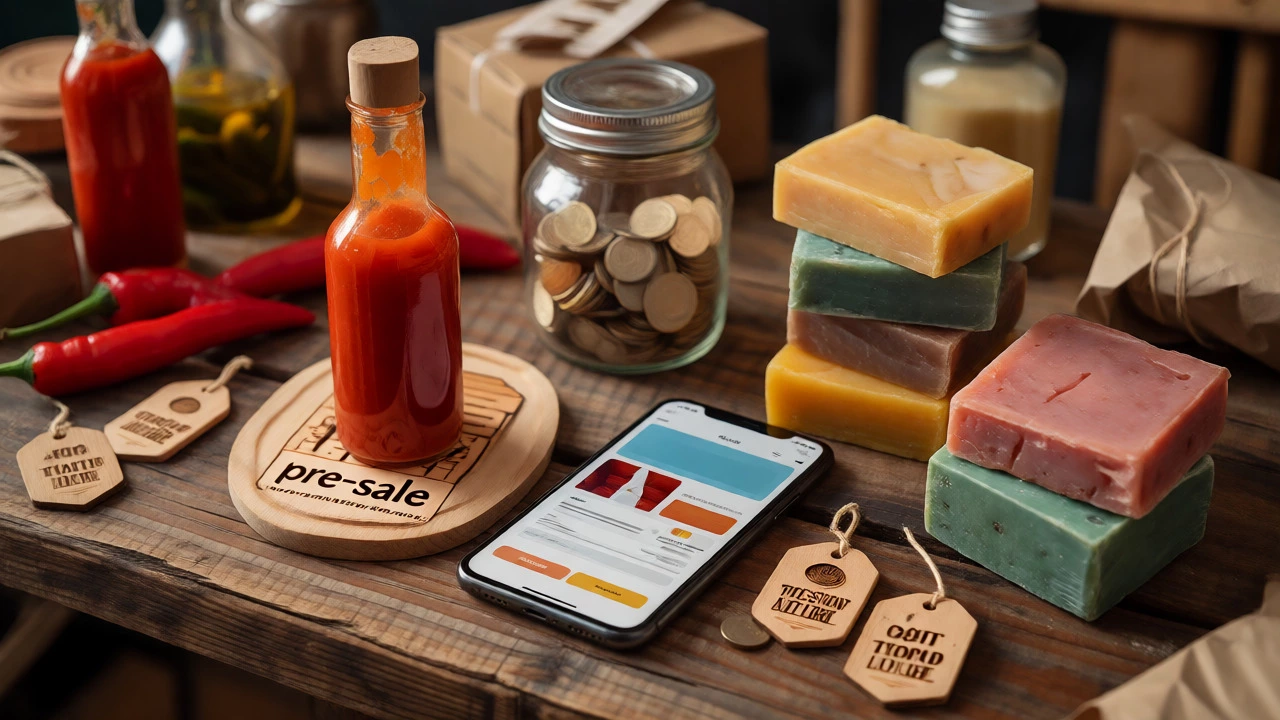
Do not build a factory before you sell a prototype. Use the "Pre-Sale Method." Create a mock-up of your product. Take photos. Set up a simple landing page using tools like Shopify or Squarespace. Run $50 worth of ads targeting your niche audience.
If people click and sign up for updates, you have interest. If they pre-order, you have validation. Only then should you invest in raw materials and equipment. This minimizes risk significantly. Many manufacturers fail because they build for six months and then discover nobody wants the product. Spend two weeks testing instead.
Another tactic: attend local craft fairs or farmers markets. These are low-cost laboratories for consumer behavior. Watch what people pick up, smell, and taste. Ask them directly, "Would you buy this today?" Their hesitation tells you more than any survey could.
Scaling Up: From Garage to Growth
Once you find a winning product, scaling is the next challenge. You don't need to hire ten people immediately. Look into contract manufacturing. Once you have steady orders, you can outsource the physical production to larger facilities while you focus on marketing and sales. This allows you to scale revenue without scaling overhead proportionally.
Also, consider bundling. If you sell soap, bundle it with a loofah. If you sell hot sauce, bundle it with a recipe card and a mini bottle of oil. Bundles increase average order value and make your product feel like a complete solution rather than a single item.
Remember, the easiest thing to sell is whatever solves a problem so clearly that the customer feels silly for not buying it sooner. Focus on clarity, quality, and convenience, and the sales will follow.
What is the cheapest manufacturing business to start?
Handmade candles and artisan soaps are typically the cheapest to start, often requiring less than $1,000 in initial investment for materials and basic tools. These products have high profit margins and require minimal specialized equipment, making them ideal for home-based startups.
Do I need a license to manufacture and sell products?
Yes, generally. Requirements vary by location and product type. Food items usually require health department permits and food handler certifications. Cosmetics may require FDA compliance registration. Always check local zoning laws if operating from home to ensure you are allowed to run a business in a residential area.
Is dropshipping better than manufacturing my own products?
Dropshipping has lower upfront costs but lower margins and less control over quality. Manufacturing your own products offers higher profit margins and brand differentiation but requires more capital and operational effort. For long-term brand building, owning the manufacturing process is often superior despite the initial hurdles.
How do I price my manufactured goods?
Use the formula: (Cost of Materials + Labor + Overhead) x 2 = Wholesale Price. Then multiply Wholesale Price by 2 to get Retail Price. This ensures you cover costs and leave room for retailer markups if you sell through stores. Always research competitor pricing to ensure your final retail price is competitive within your niche.
What are the best platforms to sell handmade manufactured goods?
Etsy is excellent for handmade and vintage items due to its large existing buyer base. Amazon Handmade offers greater reach but higher fees. Your own website via Shopify gives you full control over branding and customer data. A multi-channel approach is often best to maximize visibility and sales volume.