Manufacturing Risk & Cost Estimator
Use this tool to estimate the structural disadvantages of your manufacturing venture. Input your specific scenarios to see how fixed costs, supply chain volatility, and labor gaps might impact your resilience.
Financial Inputs
Operational Risks
Breakeven Revenue Needed: £0/month
Revenue at Projected Drop: £0/month
Status: Calculating...
Supply Chain Risk Level: N/A
Labor Challenge: N/A
Overall Viability: Calculating...
You’ve probably seen the headlines: "Manufacturing is back!" or "Bring production home!" It sounds exciting. But if you’re actually thinking about setting up a factory or expanding an existing one, the reality hits differently. The shiny brochure version of manufacturing often hides the gritty details that keep CFOs awake at night.
So, what’s the actual catch? Why do so many startups in this sector fail within five years? It’s not just because they made bad products. It’s because manufacturing carries a unique set of financial, operational, and strategic burdens that service businesses simply don’t face. And while government schemes try to sweeten the deal, they rarely cover all the cracks.
The heavy price tag of entry and expansion
Let’s start with the obvious one: money. Manufacturing is capital-intensive. You can’t just rent a laptop and start coding. You need land, buildings, machinery, raw materials, and inventory. This creates a massive barrier to entry and limits your flexibility.
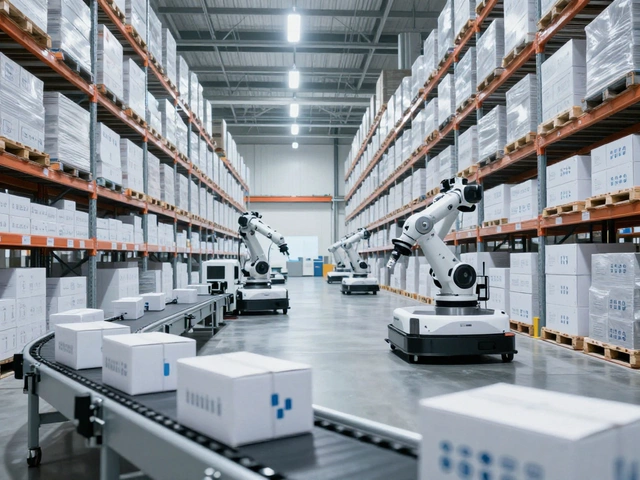
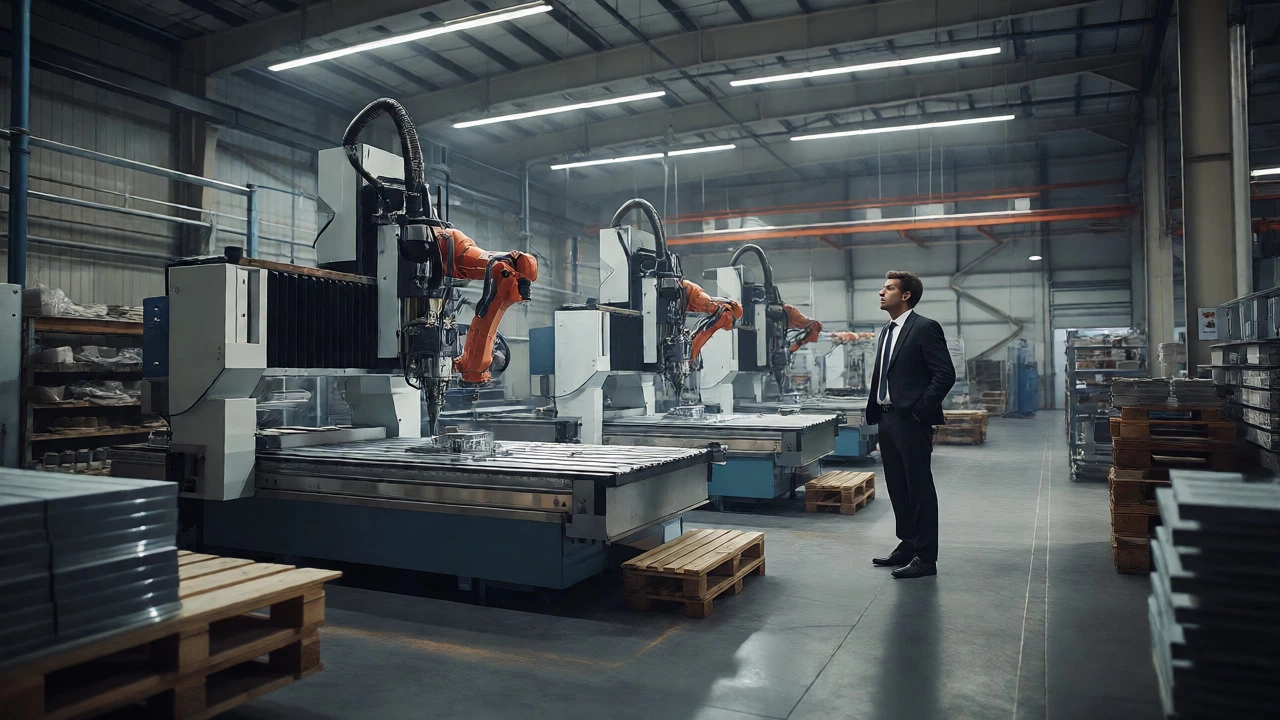
Think about Capital Expenditure (CapEx). If you want to make custom furniture in Liverpool, you might need CNC routers, dust extraction systems, and spray booths. That’s tens of thousands of pounds before you’ve sold a single chair. Unlike a software company where scaling up means hiring more people, scaling up manufacturing often means buying more machines. And those machines depreciate. They break. They become obsolete.
| Cost Factor | Manufacturing Impact | Service Business Impact |
|---|---|---|
| Initial Setup Cost | High (£50k - £5M+) | Low (£1k - £10k) |
| Asset Depreciation | Significant annual cost | Negligible |
| Inventory Holding | Cash tied up in stock | No physical stock |
| Scalability Cost | Linear (buy more kit) | Sub-linear (hire more staff) |
This high fixed-cost structure means you have to run your factory at high capacity to be profitable. If demand drops by 20%, your profit margin doesn’t just drop by 20%-it can vanish entirely because your rent and machine leases still need paying. This is why many manufacturers struggle during economic downturns. They’re stuck with overheads they can’t easily shed.
Supply chain fragility and volatility
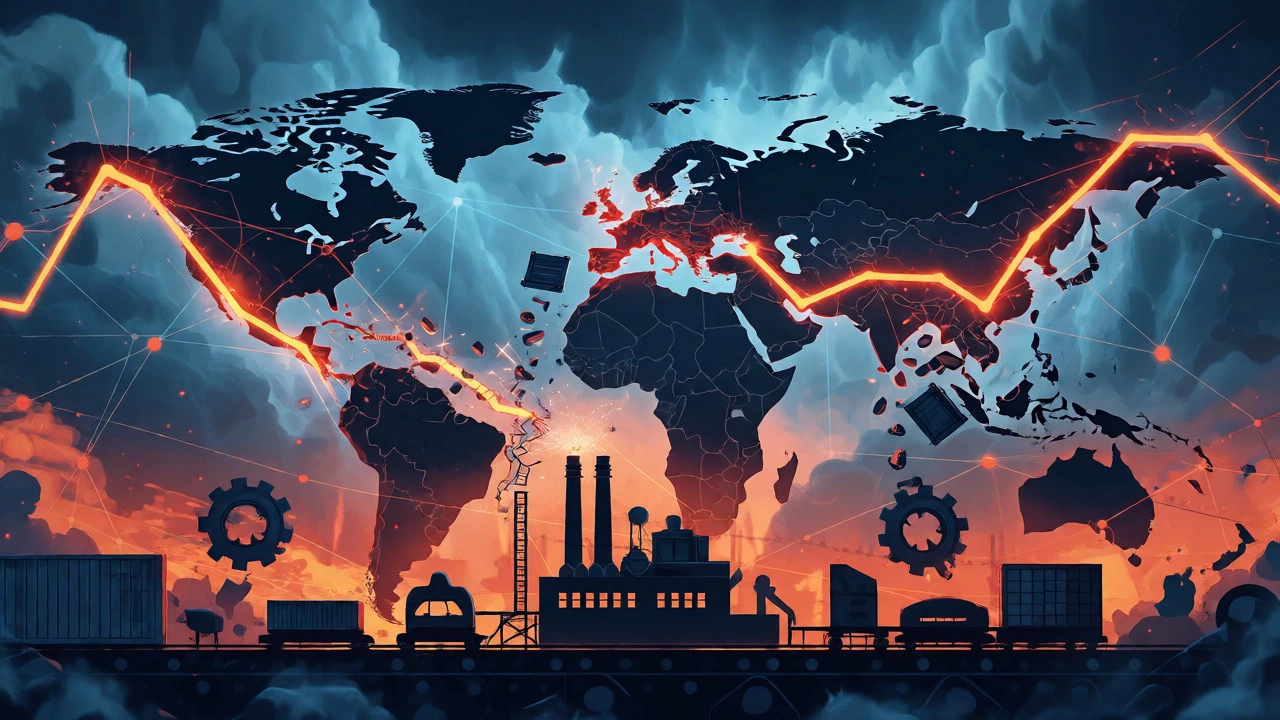
If the last few years taught us anything, it’s that global supply chains are fragile. For a manufacturer, this isn’t just an inconvenience; it’s an existential threat. You rely on a complex web of suppliers for raw materials, components, and packaging. If one link breaks, your entire production line halts.
Consider the semiconductor shortage. It didn’t just affect tech giants; it crippled car makers and appliance manufacturers worldwide. Or look at steel prices. In the UK, energy costs spiked dramatically in 2022-2023, driving up the cost of basic inputs. As a manufacturer, you can’t just pass these costs onto customers instantly. Contracts are often fixed, and competitors won’t raise prices if you do. So, who eats the loss? You do.
Then there’s lead time uncertainty. When you order raw materials, you’re betting on delivery dates. If your supplier is delayed by two weeks, you might miss a client deadline. Missed deadlines mean penalties, lost trust, and sometimes, lost contracts. This volatility makes accurate forecasting nearly impossible, leading to either excess inventory (wasted cash) or stockouts (lost sales).
Labor shortages and skill gaps
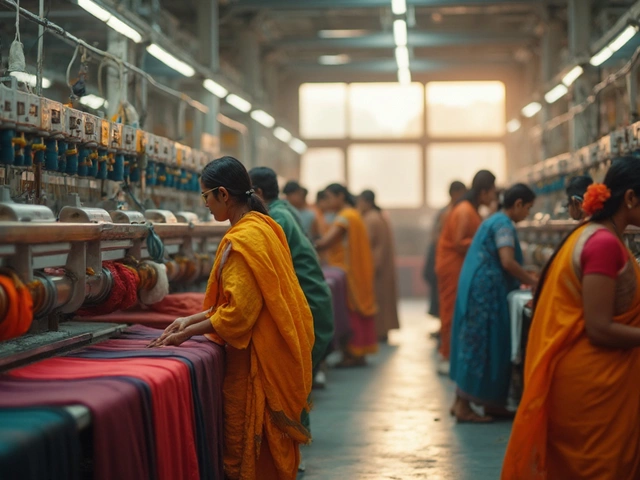
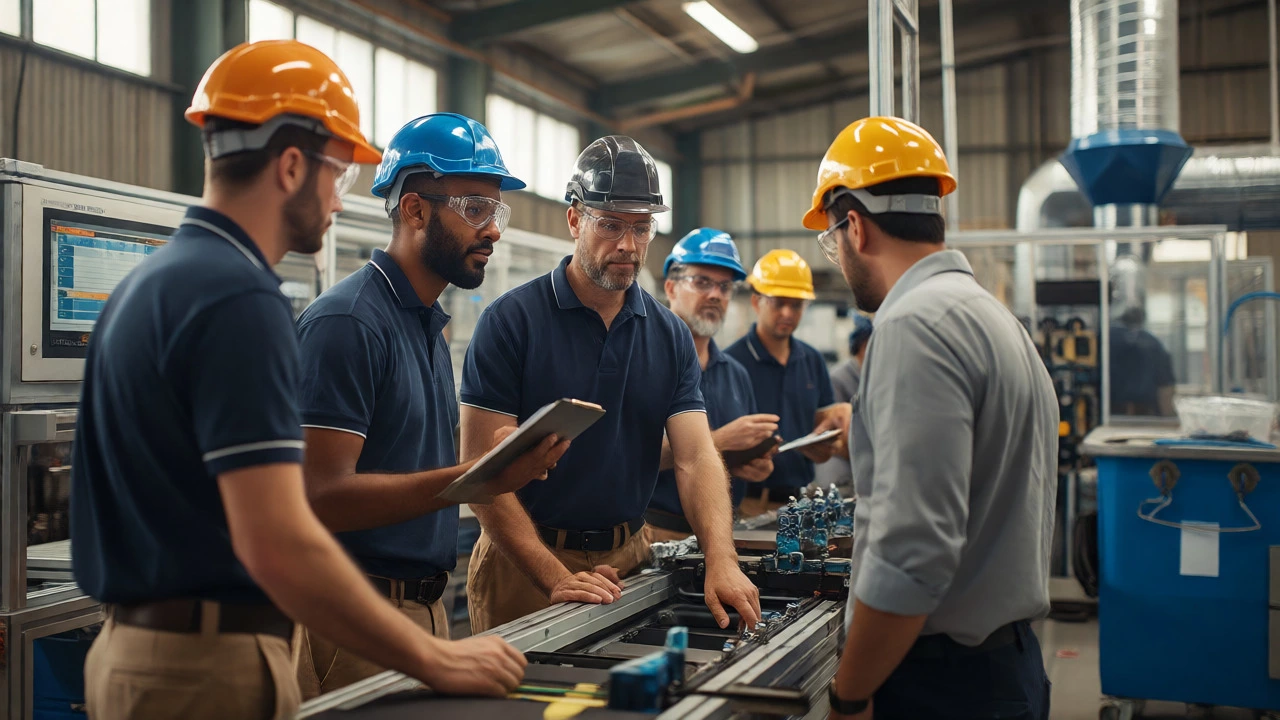
We often talk about AI replacing jobs, but right now, the bigger issue in manufacturing is finding people to do them. There is a persistent skills gap. Modern manufacturing isn’t just about brawn; it’s about brains. You need operators who can troubleshoot automated lines, technicians who understand PLC programming, and engineers who can manage quality control systems.
In the UK, post-Brexit labor market shifts have hit specific sectors hard. Industries like food processing and automotive assembly have reported chronic difficulties in recruiting skilled manual workers. Even with attractive wages, the perception of factory work as "dirty" or "low-status" deters younger generations. This forces companies to spend heavily on training and retention programs, which adds to your operating expenses.
Moreover, labor laws add complexity. Managing shift patterns, ensuring health and safety compliance, and handling union negotiations require dedicated HR resources. One workplace accident can shut down a line for days, triggering investigations and insurance claims. The human element is unpredictable, and in manufacturing, unpredictability costs money.
Regulatory hurdles and environmental compliance
Manufacturers operate under a microscope. Environmental regulations are tightening globally, and the UK is no exception. The Environment Act 2021 and various local council planning permissions impose strict rules on waste disposal, emissions, noise levels, and water usage.
Compliance isn’t optional-it’s mandatory. But it’s also expensive. Installing scrubbers for air emissions, treating wastewater before discharge, and managing hazardous waste disposal all come with significant costs. These are not one-time fees; they’re ongoing operational burdens. Plus, non-compliance fines can be crippling.
There’s also the bureaucratic drag. Getting planning permission for a new factory extension can take months, sometimes years. During that time, you’re paying rent elsewhere or delaying growth. The pace of regulation often lags behind innovation, creating gray areas where manufacturers aren’t sure if their new process is compliant until an inspector tells them otherwise.
Do government schemes fix these problems?
This is where the context of "government schemes" comes in. Many business owners think subsidies will solve their disadvantage list. Schemes like the Annual Investment Allowance (AIA) or regional grants can help offset CapEx. The UK’s "Made Smarter" initiative offers support for digital adoption. But do they erase the disadvantages?
Not really. They mitigate them. Here’s the reality check:
- AIA helps with tax relief, but it doesn’t change the fact that you still need the cash flow to buy the machine in the first place.
- Regional grants might cover 20-40% of setup costs, but they often come with clawback clauses if you move or close within five years.
- R&D Tax Credits are great for innovation, but claiming them requires rigorous documentation and can trigger audits.
Government schemes are helpful tools, not magic wands. They reduce the pain, but they don’t remove the fundamental structural risks of holding inventory, managing volatile input costs, and dealing with regulatory complexity. Relying solely on grants to justify a business case is dangerous. Your core model must be profitable without them.
Technological obsolescence risk
Technology moves fast in manufacturing. Today’s state-of-the-art robotic arm might be yesterday’s news in three years. If you invest heavily in specialized equipment, you risk being locked into a technology that becomes inefficient or incompatible with newer standards.
For example, investing in legacy printing technologies when the market is shifting toward digital on-demand printing can leave you stranded. Updating your systems requires another round of CapEx and downtime. This cycle of investment-equipment-obsolescence-investment is relentless. It demands continuous learning and adaptation, which is mentally and financially exhausting for small-to-medium enterprises (SMEs).
Environmental footprint and reputation risk
Finally, there’s the reputational angle. Consumers are increasingly eco-conscious. Manufacturing has a visible carbon footprint. Energy consumption, waste generation, and logistics emissions are scrutinized. If your brand relies on sustainability credentials, any slip-up in your supply chain-like a supplier caught dumping waste illegally-can blow back on you.
Managing this requires transparency and often, third-party certifications (like ISO 14001). Achieving and maintaining these standards takes time and money. Ignoring it risks alienating customers; addressing it correctly increases costs. It’s a tightrope walk.
Balancing the scales
Does this mean manufacturing is a bad bet? Absolutely not. The advantages-control over quality, potential for high margins, tangible assets-are real. But going in blind is foolish. You need robust cash reserves, flexible contracts, and a deep understanding of your supply chain.
Before you sign that lease or order that machine, ask yourself: Can I survive a 30% drop in demand? Do I have backup suppliers? Can I afford the compliance costs if regulations tighten further? If the answers are shaky, maybe start smaller. Maybe outsource initially. Maybe focus on niche products with higher margins to buffer against volume fluctuations.
Manufacturing rewards resilience, not just ambition. Respect the disadvantages, plan for them, and you’ll stand a much better chance of thriving.
Why is manufacturing considered capital-intensive?
Manufacturing requires significant upfront investment in physical assets such as land, buildings, machinery, and raw materials. Unlike service businesses, these assets depreciate over time and require maintenance, creating high fixed costs that must be covered regardless of sales volume.
How do supply chain disruptions affect manufacturers?
Disruptions cause delays in receiving raw materials, leading to production stoppages and missed customer deadlines. This results in lost revenue, potential contract penalties, and increased costs due to expedited shipping or sourcing alternative suppliers at higher prices.
Can government schemes fully offset manufacturing disadvantages?
No. While schemes like tax credits and grants reduce initial costs and encourage investment, they do not eliminate operational risks like supply chain volatility, labor shortages, or regulatory compliance costs. Businesses must remain profitable independently of subsidies.
What is the biggest labor challenge in modern manufacturing?
The primary challenge is the skills gap. Finding workers proficient in operating advanced automated machinery and interpreting technical data is difficult. Additionally, an aging workforce and negative perceptions of factory work contribute to recruitment difficulties.
How does technological obsolescence impact manufacturers?
Rapid technological advancement means equipment purchased today may become inefficient or incompatible with industry standards within a few years. This forces frequent reinvestments in new technology, increasing long-term costs and requiring continuous staff retraining.