Furniture Sourcing Advisor
Answer three simple questions to find your ideal manufacturing partner.
You walk into a store, see a beautiful oak table or a sleek modern sofa, and you probably don't think about where it came from. But the journey of that piece of furniture is a massive global operation. If you're looking to buy in bulk, start a business, or just understand how the world builds our homes, knowing who makes the most furniture is crucial. It’s not just about volume; it’s about cost, quality, and logistics. So, who are the heavyweights? The data points clearly to three nations dominating the scene: China, the undisputed leader in global furniture exports due to its massive industrial capacity and supply chain efficiency, followed by Vietnam, which has surged ahead as a primary alternative for wooden goods, and finally, India, a growing powerhouse known for handcrafted excellence and rising export volumes.
Why These Three Countries Lead the Pack
It might seem surprising that these specific countries hold the crown. After all, Italy and Germany have legendary reputations for design and luxury. But when we talk about "manufacturing the most," we are talking about volume and export value, not necessarily high-end boutique craftsmanship. The leaders here win because they combine scale with competitive labor costs and robust raw material access.
Think of it like this: if you need one million chairs delivered next month, you aren't calling a small workshop in Milan. You’re calling a factory in Dongguan or Binh Duong. These countries have built ecosystems where everything from timber processing to fabric weaving happens within a few miles of the final assembly line. This proximity cuts down shipping times and reduces overhead, allowing them to undercut competitors on price while maintaining decent quality standards.
China: The Unbeatable Giant
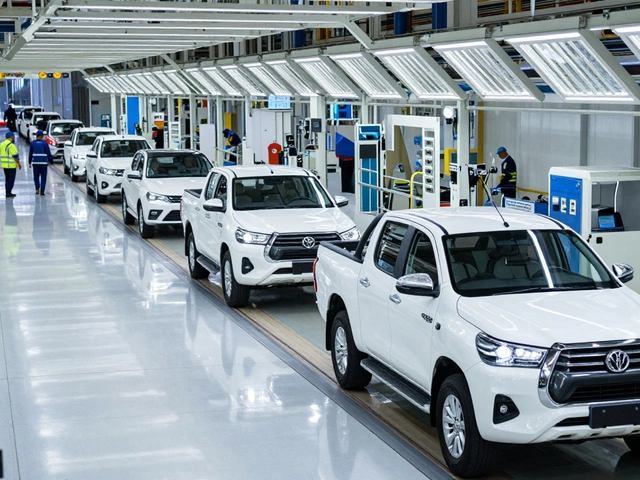
Let's start with the elephant in the room. China remains the largest furniture manufacturer and exporter in the world. For decades, it has been the "factory of the world," and the furniture sector is no exception. According to recent trade data from organizations like the International Trade Centre, China accounts for roughly 30-35% of global furniture exports. That is a staggering share of the market.
What makes China so dominant? First, infrastructure. Their ports are efficient, their roads connect factories to coastlines seamlessly, and their energy grids support massive industrial parks. Second, versatility. Whether you need plastic patio sets, metal office desks, or upholstered sofas, Chinese manufacturers can produce it. They have mastered the art of mass production. If you want ten thousand identical bookshelves at the lowest possible unit cost, China is your first stop.
However, there are shifts happening. Rising labor costs in coastal provinces like Guangdong have pushed some basic manufacturing away. But China hasn't lost its edge; it has moved up the value chain. Now, they focus more on complex assemblies, smart furniture, and higher-quality finishes that require skilled technicians rather than just manual labor. This evolution keeps them relevant even as cheaper alternatives emerge.
Vietnam: The Rising Star of Wooden Furniture
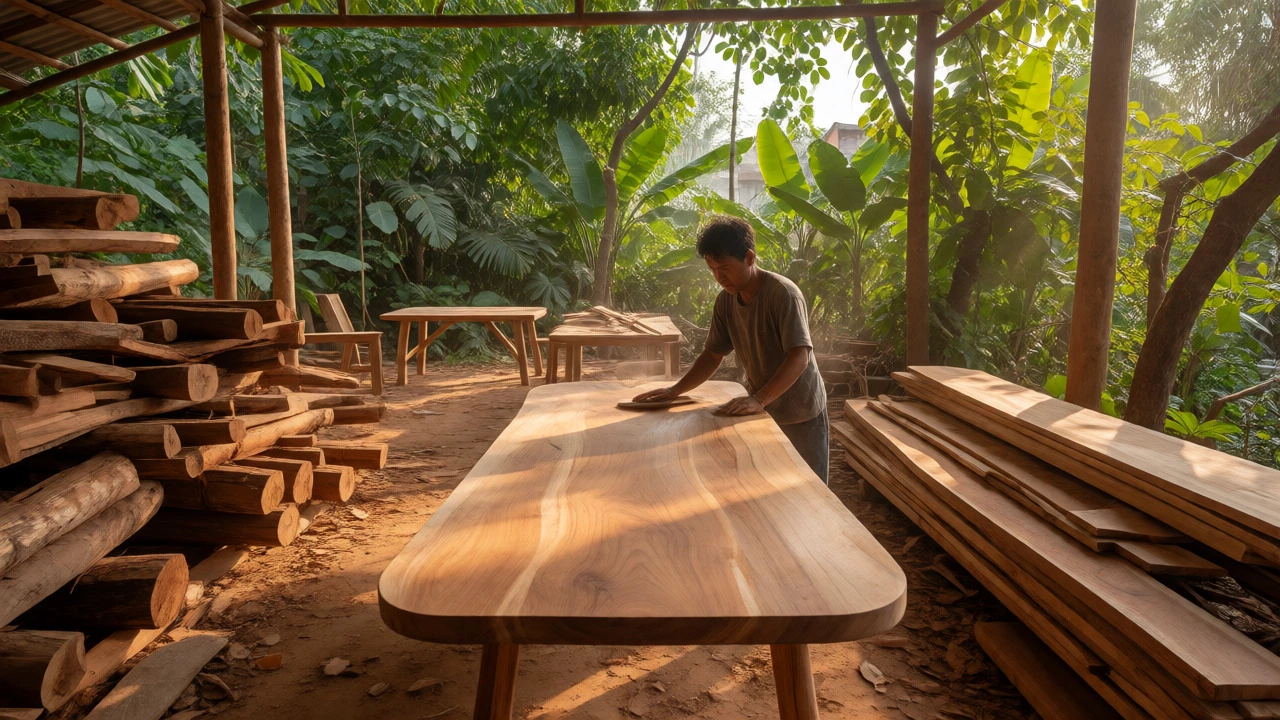
If China is the generalist, Vietnam is the specialist that stole the spotlight over the last decade. Specifically, Vietnam has become the go-to destination for wooden furniture. Why the switch? Tariffs played a huge role. When trade tensions escalated between the US and China, many American retailers scrambled to find suppliers who weren't hit by extra taxes. Vietnam stepped up.
Vietnam’s strength lies in its abundant natural resources. The country has vast forests of acacia and rubberwood, which are perfect for making durable, affordable furniture. Unlike China, which often imports raw materials, Vietnam grows much of what it uses. This local sourcing lowers costs significantly. Cities like Binh Duong and Ho Chi Minh City are hubs for this activity, with thousands of workshops ranging from family-run operations to large-scale factories.
Quality perception has also improved. Ten years ago, Vietnamese furniture was seen as purely budget-friendly. Today, major brands like IKEA and Ashley Furniture source heavily from Vietnam. The craftsmanship has tightened up, and compliance with international safety standards (like CARB Phase 2 for formaldehyde emissions) is now standard practice for serious exporters. If you are looking for solid wood pieces without the premium European price tag, Vietnam is currently the best balance of cost and quality.
India: Craftsmanship Meets Scale
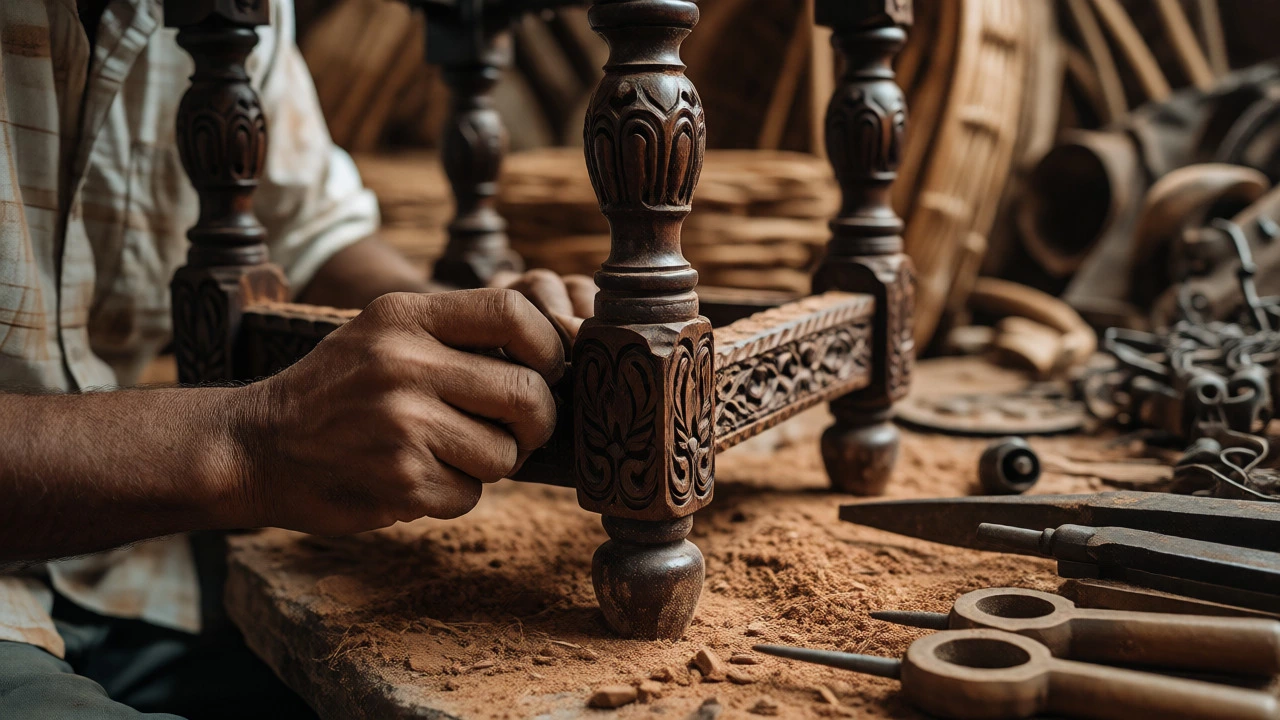
India rounds out the top three, though its position is different from the other two. While China and Vietnam excel in standardized, high-volume output, India’s furniture industry is deeply rooted in tradition and artisanal skill. However, don't mistake this for small-scale inefficiency. India is rapidly scaling up, becoming one of the fastest-growing exporters globally.
India offers something unique: variety in style. From the intricate carvings of Jodhpur to the minimalist teak designs of Kerala, Indian manufacturers can produce items that feel unique and handmade, even in larger quantities. This appeals to buyers who want character in their products. Additionally, India has a massive domestic market, which helps sustain the industry during global downturns. Manufacturers can pivot between selling locally and exporting, providing stability that purely export-dependent economies lack.
The government has also stepped in with initiatives like the "Make in India" campaign, improving infrastructure and offering incentives for exporters. Logistics have improved, reducing the time it takes to get containers from inland factories to ports like Mumbai or Chennai. While lead times can still be longer than in Southeast Asia, the willingness to customize orders and the competitive pricing make India an attractive option for businesses looking for differentiation.
| Country | Primary Strength | Key Materials | Best For | Cost Level |
|---|---|---|---|---|
| China | Scale & Versatility | Metal, Plastic, Composite Wood, Upholstery | Mass-produced, diverse categories, complex assemblies | Low to Medium |
| Vietnam | Wood Processing & Cost Efficiency | Acacia, Rubberwood, Mango Wood | Solid wood furniture, outdoor pieces, flat-pack kits | Low |
| India | Craftsmanship & Customization | Teak, Sheesham, Rattan, Iron | Hand-carved pieces, rustic styles, custom orders | Medium |
How to Choose the Right Source for Your Needs
Knowing the top three is great trivia, but how does this help you? If you are a retailer or a startup founder, choosing between these countries depends entirely on your product strategy. Let’s break it down with a simple decision framework.
- Choose China if: You need speed, variety, and low unit costs for non-wood items. Are you selling metal garden furniture, plastic chairs, or upholstered sofas with complex mechanisms? China’s supply chain for metals, foams, and fabrics is unmatched. You also choose China if you need very short lead times and have established relationships with trading companies.
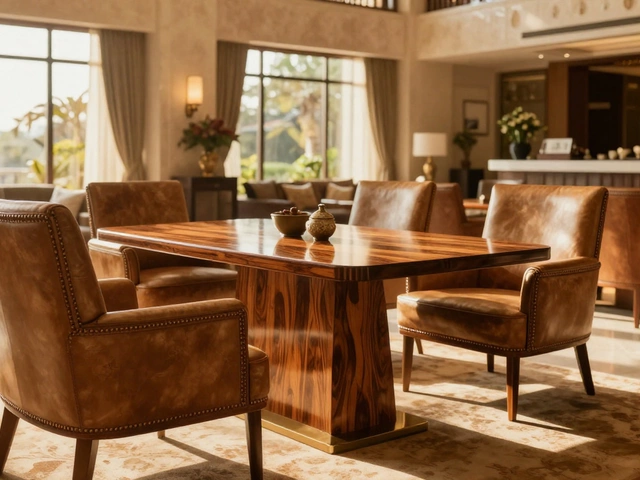
- Choose Vietnam if: Your core product is wooden furniture. If you are selling dining tables, bed frames, or cabinets made of solid wood or veneers, Vietnam is currently the most cost-effective reliable source. The quality control for wood drying and finishing has matured significantly, reducing the risk of warping or cracking-a common issue with cheaper sources.
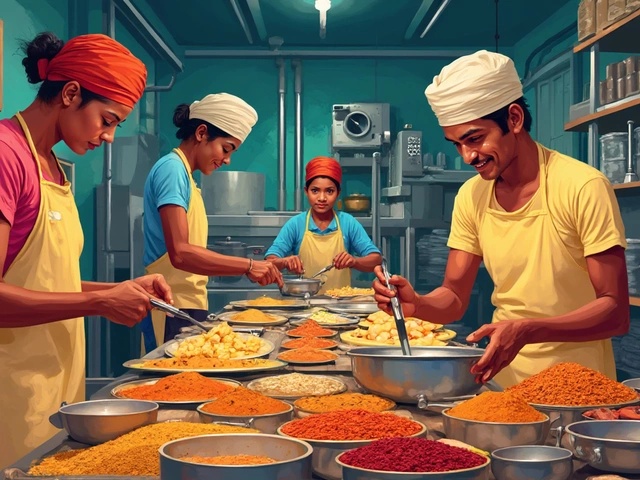
- Choose India if: You want uniqueness. If your brand story relies on "handmade," "artisan," or "heritage," India delivers. You can request custom dimensions, specific finishes, or intricate details that would be too expensive to replicate in a highly automated Chinese factory. It’s ideal for boutique hotels, upscale residential projects, or brands targeting consumers who value individuality over uniformity.
Challenges and Future Trends
None of these options are perfect. Each comes with risks you need to manage. In China, geopolitical tensions and tariffs remain a wildcard. Always keep an eye on trade policies. In Vietnam, capacity constraints can be an issue during peak seasons; if everyone rushes to order before Christmas, you might face delays. In India, logistics and communication barriers can sometimes slow things down compared to the hyper-efficient East Asian models.
Looking ahead, sustainability is changing the game. Buyers in Europe and North America are demanding eco-friendly certifications. Vietnam is leading in sustainable forestry practices, with many factories holding FSC (Forest Stewardship Council) certification. India is focusing on organic materials like bamboo and rattan. China is investing heavily in green manufacturing technologies to reduce carbon footprints. As a buyer, asking for proof of sustainability isn't just good PR-it’s becoming a requirement for market entry.
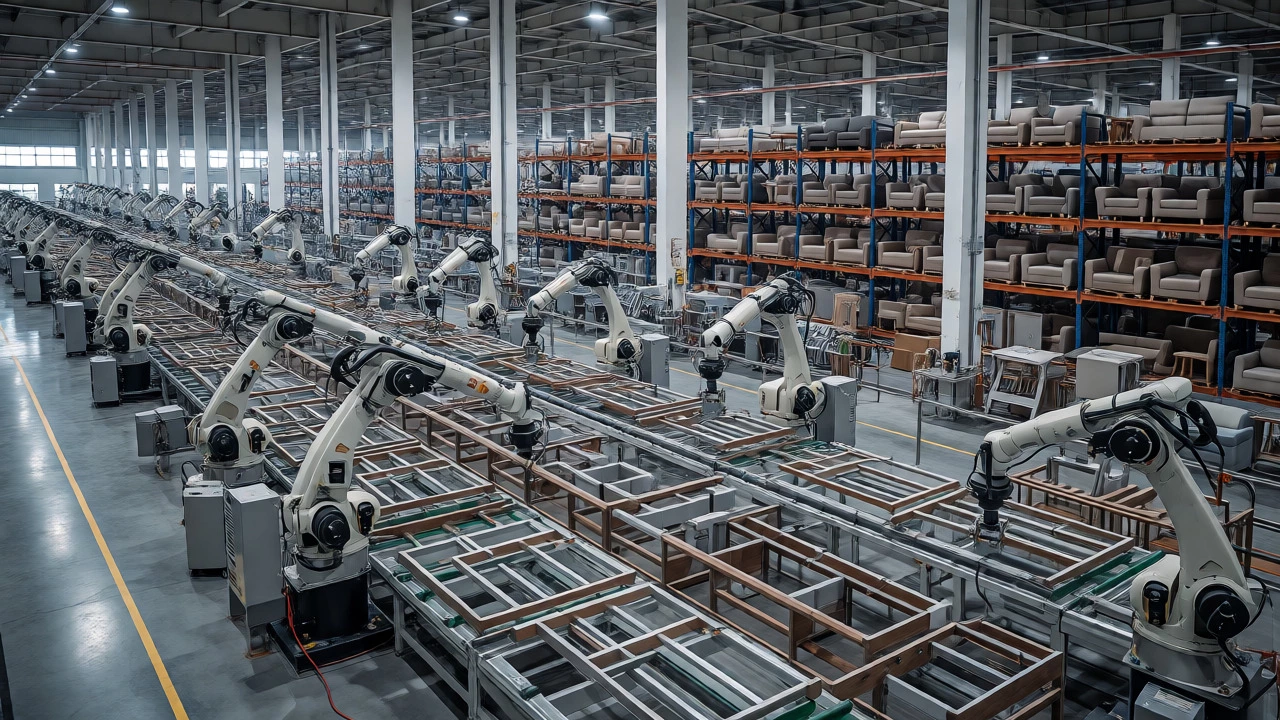
Another trend is automation. All three countries are automating parts of their process. You’ll see more robotic sanding in Vietnam and automated cutting in China. This doesn't mean jobs disappear, but it means consistency improves. For you, this translates to fewer defects and more predictable inventory.
Frequently Asked Questions
Which country is the cheapest for furniture manufacturing?
Vietnam is generally considered the cheapest for wooden furniture due to low labor costs and local access to raw materials like acacia and rubberwood. China remains competitive for non-wood items and mass-produced goods, while India tends to be slightly more expensive due to the higher labor intensity of handcrafted work, though it offers better customization value.
Is Chinese furniture quality lower than European furniture?
Not necessarily. While China historically focused on volume over premium finish, top-tier Chinese factories now produce furniture that rivals European quality. The difference often lies in the specification. If you pay for high-grade materials and strict quality control, Chinese furniture can be excellent. However, budget options may use lower-density composites, whereas European manufacturers often stick to solid woods and traditional joinery methods.
Why has Vietnam overtaken other countries in wooden furniture exports?
Vietnam benefited from trade diversification efforts by Western retailers seeking alternatives to China due to tariffs. Additionally, Vietnam has abundant natural resources for wood processing, a young and trainable workforce, and significant foreign direct investment in infrastructure. This combination allowed them to scale quickly while maintaining competitive prices and improving quality standards.
Can I trust the durability of furniture from these countries?
Durability depends more on the manufacturer and materials specified than the country alone. Factories in all three countries produce both cheap, disposable items and high-durability pieces. To ensure durability, specify materials clearly (e.g., kiln-dried hardwood vs. particleboard), request third-party inspections, and check for certifications like ISO 9001 for quality management systems.
What are the main logistical challenges when importing from these countries?
Common challenges include long sea freight times (30-45 days depending on destination), customs clearance complexities, and potential port congestion. Communication barriers can also occur, particularly regarding time zones and language nuances. Mitigate these by working with experienced freight forwarders, using clear contracts, and building buffer stock into your inventory planning.