Unveiling Profitable Opportunities in Small Scale Manufacturing
Jan 16 2025
When you think of waste problem, the buildup of unused materials, byproducts, and discarded resources in industrial settings. Also known as industrial waste, it's not just about landfills—it's about lost money, wasted energy, and damaged reputations. In manufacturing, waste isn’t just trash. It’s raw material that never became a product. It’s broken molds, excess clay, cracked bricks, and packaging that ends up in the bin before it even leaves the yard. And in a country like India, where small-scale manufacturing is booming, this problem is getting louder.
The small scale manufacturing, businesses that produce goods in limited batches with tight control over resources and labor. Also known as micro-manufacturer, it's often misunderstood as inefficient. But here’s the truth: small factories have a secret advantage. They don’t have the overhead of giant plants, so every kilo of clay, every bag of cement, every drop of water matters. When a big plant throws away a truckload of defective bricks, it’s a line item. When a small maker does it, it’s their rent, their payroll, their next meal. That’s why many are redesigning their processes—not to be eco-friendly for the sake of it, but because it’s cheaper, smarter, and more reliable. They’re reusing broken bricks as aggregate. They’re drying waste sludge into fuel pellets. They’re partnering with local farmers to turn excess ash into soil conditioner. These aren’t fancy tech fixes. They’re low-cost, high-impact moves made by people who see waste as a design flaw, not an inevitability.
The sustainable manufacturing, a system where production minimizes environmental harm while maximizing resource efficiency. Also known as green manufacturing, it’s no longer a buzzword—it’s a survival tactic. Companies that ignore waste pay more in raw materials, disposal fees, and compliance risks. Those that fix it? They cut costs, attract eco-conscious buyers, and even qualify for government grants. You’ll see posts here about how a brickmaker in Rajasthan turned 80% of his scrap into reusable material. How a tiny factory in Tamil Nadu cut water use by 60% with simple recycling loops. How one entrepreneur built a whole new product line from what others called trash.
This isn’t about perfection. It’s about progress. You don’t need a million-dollar plant to make a difference. You just need to ask: What am I throwing away that I could be using? The answers are in the posts below—real stories from real makers who stopped seeing waste as a cost and started seeing it as a clue.
Feb
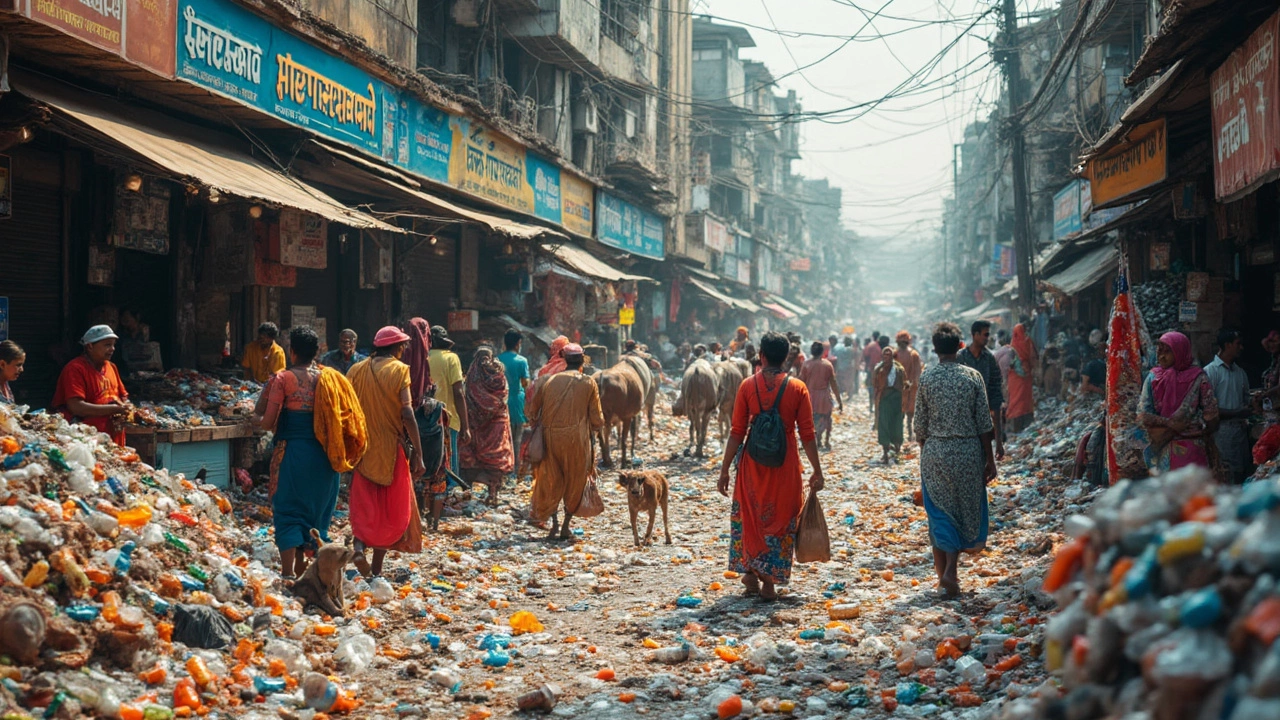
The plastic waste problem is a global concern, but some countries face particularly severe challenges. This article explores the extent of plastic waste issues in specific nations and delves into the role of plastic manufacturing companies in exacerbating these problems. Discover the surprising facts behind the worst offenders and gain insights into potential solutions for reducing plastic pollution. Learn how individual actions can contribute to alleviating this pressing issue.
Jan 16 2025
Jan 20 2026
Dec 19 2025
Oct 11 2025
Mar 24 2025