What Is India’s Rank in Global Chemical Production?
Nov 25 2025
When you think about construction, bridges, or even your kitchen appliances, you’re thinking about steelmaking process, the method of turning raw iron and carbon into strong, usable steel. Also known as steel production, it’s the backbone of modern industry — and India is becoming one of the fastest-growing players in this game. Without it, there’d be no skyscrapers, no trains, no reliable roofing for homes. It’s not magic. It’s chemistry, heat, and precision — done at scale.
The two main ways to make steel today are the blast furnace, a massive, coal-powered system that melts iron ore into molten metal and the electric arc furnace, a cleaner, more flexible method that melts recycled scrap steel using powerful electric arcs. Most older plants still rely on the blast furnace because it’s efficient for huge volumes. But newer factories, especially in places like India, are shifting toward electric arc furnaces. Why? Because they use less coal, cut emissions, and can start and stop quickly — perfect for smaller manufacturers who need steel in batches, not trainloads.
What’s interesting is how this ties into everything else you see in manufacturing. The same factories making bricks for homes are often buying steel for reinforcement bars. The same companies producing electronics rely on steel for casings and frames. Even food processing plants use steel for tanks and conveyors. So when you ask how steel is made, you’re really asking how the whole system of building things works. It’s not just about heat and metal — it’s about supply chains, cost control, and local production.
India’s steel output has doubled in the last decade. It’s now the second-largest producer in the world. That growth isn’t just from big corporations. It’s also from small-scale manufacturers who are finding smarter, cheaper ways to get steel — whether by recycling scrap or partnering with regional mills. This shift is changing how construction materials are sourced. More local steel means less shipping, lower costs, and faster builds.
What you’ll find in the posts below isn’t just theory. It’s real examples — from how small manufacturers pick the right steel grade for their products, to why some Indian factories are skipping traditional methods entirely to go electric. You’ll see how steel connects to everything from brick production to electronics, and why knowing the difference between a blast furnace and an electric arc furnace matters more than you think.
Jun
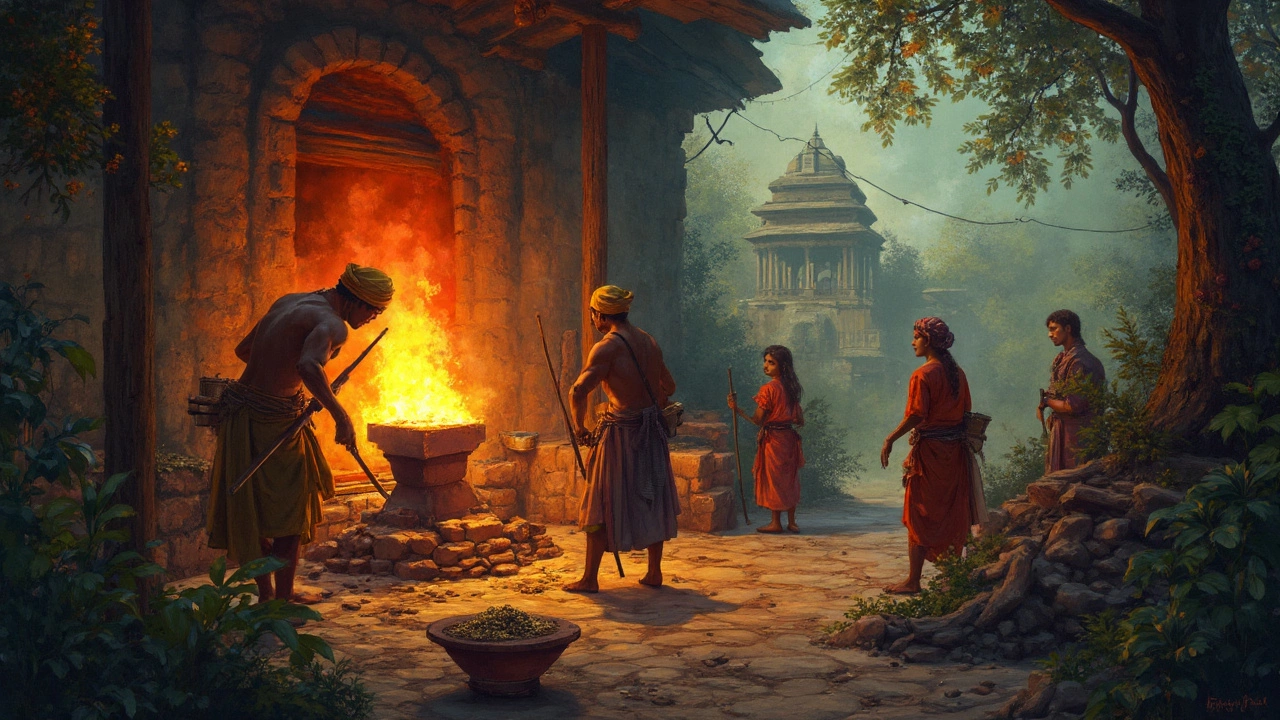
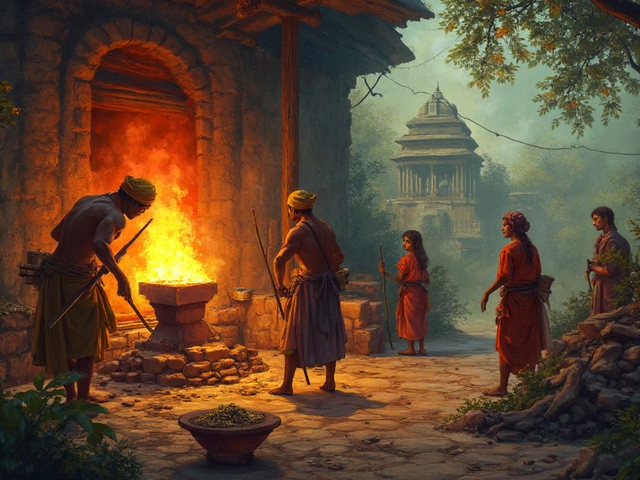
Steel is everywhere—in bridges, skyscrapers, cars, and even kitchen knives. But who actually invented steel? This article takes you deep into the story of steel, from its mysterious ancient roots to the groundbreaking methods that shaped our modern world. Get ready for a fascinating ride through human invention and surprising facts that will change how you see this common metal.
Nov 25 2025
Jul 28 2025
Feb 24 2026
Jun 24 2025
Dec 5 2025