Which Textiles Are Famous in India? Top Fabrics and Their Stories
Feb 6 2026
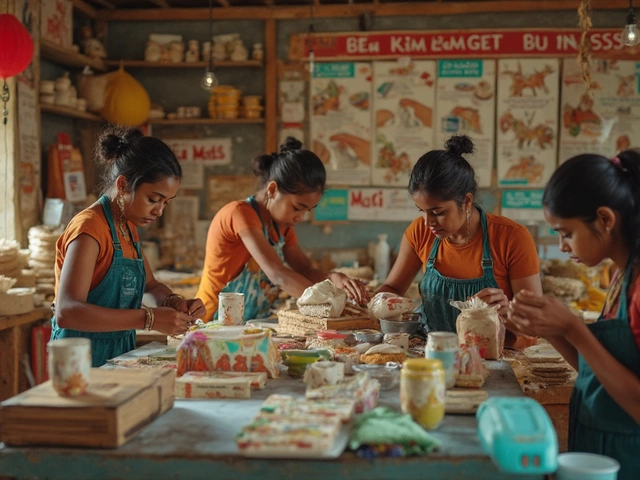
When we talk about SME, a small and medium enterprise that produces goods with limited resources but high skill. Also known as small scale manufacturing, it’s not just about size—it’s about control, flexibility, and deep local roots. In India, SMEs aren’t the exception—they’re the rule. While big factories grab headlines, it’s the small workshops, family-run units, and neighborhood makers who actually keep the supply chain moving. These businesses make bricks, textiles, food products, and even electronics parts—often with less than 50 workers and a fraction of the capital of multinational firms.
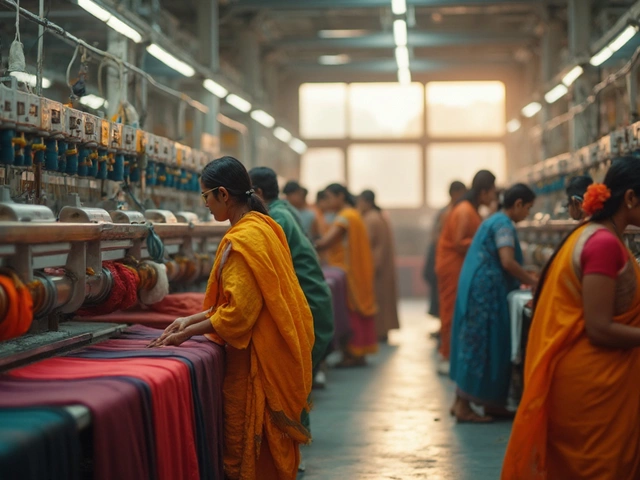
SMEs don’t compete by volume; they compete by precision. Take a small brick maker in Uttar Pradesh who uses local clay and traditional kilns—his output is small, but his bricks are denser, more durable, and tailored to regional weather. Or the textile unit in Surat that churns out 200 meters of fabric a day, not for global retailers, but for local tailors who need specific patterns and quick turnaround. These aren’t just businesses—they’re ecosystems. They hire neighbors, source materials locally, and reinvest profits back into the community. And they’re growing. Government schemes like Make in India, a national initiative to boost domestic manufacturing and attract investment and MSME Udyam Registration, a simplified system to classify and support small businesses in India have given them access to loans, tax breaks, and training that were once out of reach.
What makes SME manufacturing special isn’t what they produce—it’s how they adapt. A startup in Bengaluru might spend six months perfecting a single food processing machine because they know local vendors need it. A micro-manufacturer in Tamil Nadu might switch from making plastic containers to reusable bamboo packaging overnight when demand shifts. That kind of agility? Big companies can’t match it. They’re too slow, too bureaucratic, too focused on scaling. SMEs thrive on being small. They don’t need to be the biggest—they just need to be the right fit.
Behind every brick, every snack bar, every garment exported from India, there’s often an SME making it happen. You won’t see their names on billboards, but you’ll feel their impact in every local job, every reliable product, every supply chain that didn’t break during a crisis. This collection dives into those stories—how small factories operate, what they make, who owns them, and why they’re the real engine of India’s manufacturing future. You’ll find real examples, hard numbers, and the quiet truths that big players don’t want you to know.
May
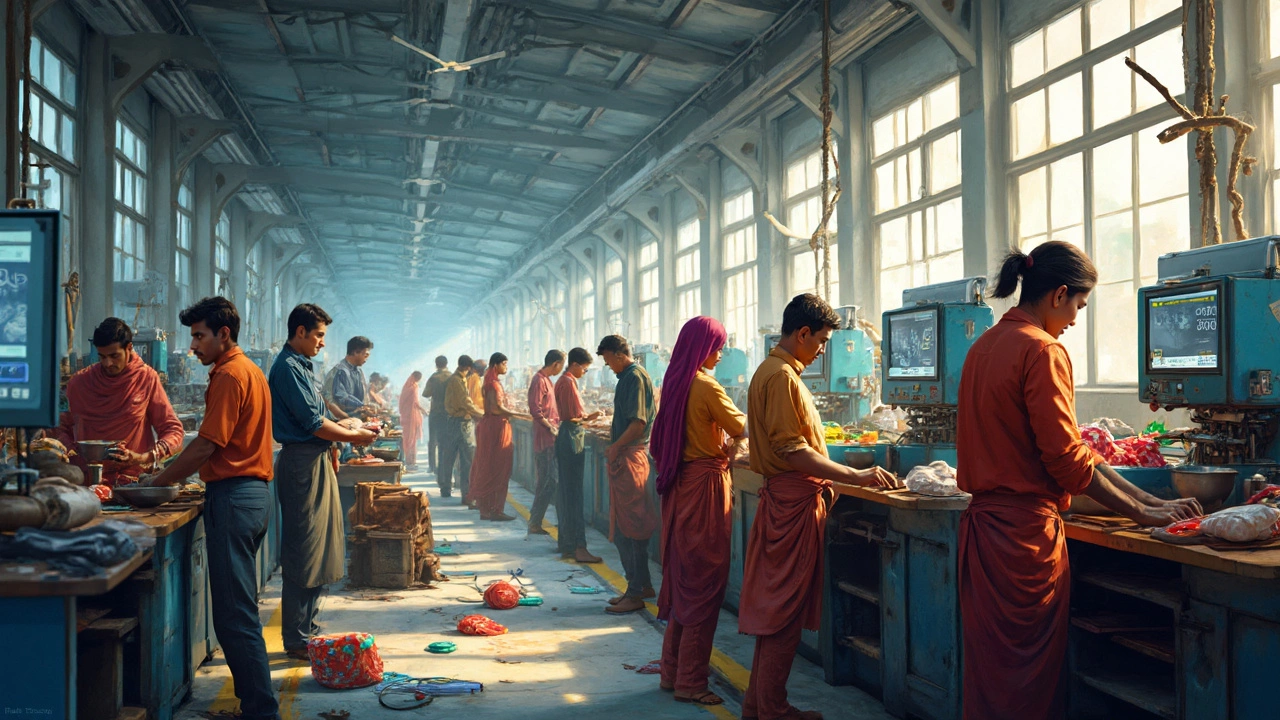
This article breaks down what an SME is in the world of manufacturing. You'll learn the main criteria, why these businesses matter, and some practical tips for running a successful small manufacturing operation. Get clear examples of what counts as an SME and how to spot the advantages and challenges they face. Perfect for those trying to figure out where their business fits or thinking about starting small in the manufacturing world.
Feb 6 2026
Feb 8 2025
Jan 2 2026
Jun 4 2025
Jun 3 2025