Discovering the Largest Steel Fabricator in the US
Feb 10 2025
When you run a small manufacturing business, profit margin calculation, the percentage of revenue left after subtracting all costs isn’t just an accounting term—it’s your lifeline. It tells you if you’re actually making money after paying for materials, labor, rent, and shipping. Many small makers think high sales equal high profit, but that’s a trap. You could sell 1,000 bricks a day and still lose money if your cost analysis, the process of tracking every expense tied to production is sloppy. The difference between a thriving workshop and a struggling one often comes down to who does the math right.
Take a small factory in Gujarat making custom bricks. Their selling price is ₹20 per brick. But when they add up the cost of clay, fuel for kilns, worker wages, packaging, and transport, it costs them ₹16. That’s a ₹4 profit per brick. Simple division—₹4 divided by ₹20—gives them a 20% profit margin. Now compare that to another maker who sells the same brick for ₹22 but spends ₹19 on production. Their margin is only 13.6%. The first one makes more profit per unit, even at a lower price. That’s why high margin products, goods that generate more profit relative to their production cost aren’t always the most expensive—they’re the ones where you control costs best. This is why small manufacturers who focus on local materials, batch efficiency, and waste reduction often outperform bigger competitors.
Profit margin calculation isn’t about fancy software or consultants. It’s about knowing your numbers. What’s your raw material cost per unit? How much time does each worker spend per product? How much fuel does your kiln burn for every 100 bricks? Write it down. Track it weekly. Adjust prices or processes when margins slip. Many small manufacturers skip this because it feels boring—but the ones who stick with it are the ones who survive recessions, supply shocks, and price wars. You don’t need to be a math expert. You just need to be consistent. And when you understand your margins, you can make smarter choices: which products to push, which customers to serve, and when to say no to a big order that would eat your profits.
Looking at the posts below, you’ll find real examples from Indian small manufacturers who cracked this code. From handmade soap makers in Kerala to brick producers in Rajasthan, they didn’t get rich by guessing. They got rich by tracking every rupee. You’ll see how some turned ₹1,000 into profitable businesses by focusing on high-margin items like roasted nuts or custom pet tags. Others avoided failure by spotting their own cost leaks before they bled cash. This isn’t theory. It’s what’s happening right now, in small workshops across India. The math is simple. The discipline isn’t. But if you’re serious about building something that lasts, this is where you start.
Oct
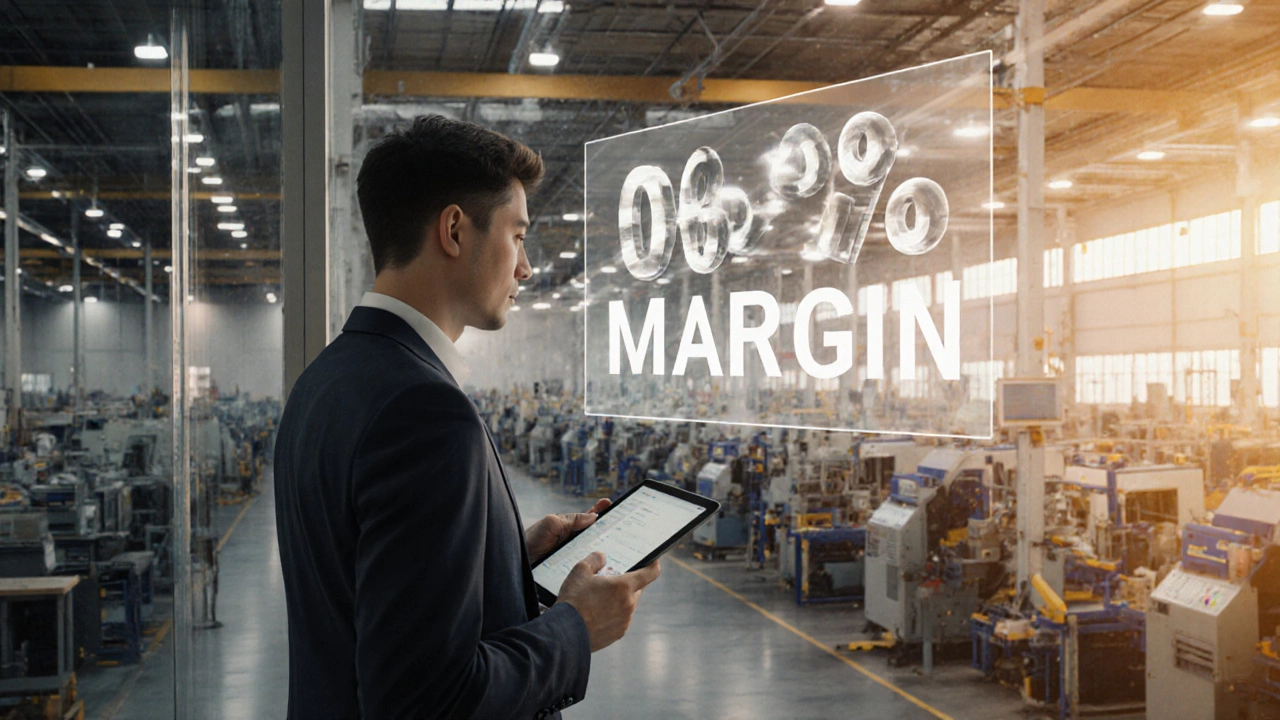
Learn what profit margin means for manufacturers, how to calculate it, benchmark against industry averages, and boost your startup's profitability.

Feb 10 2025

Sep 29 2025

Jan 13 2026

Jul 28 2025

Feb 26 2025