Thriving Industries: The Rise of Manufacturing Startups
Mar 17 2025
When you toss a plastic bottle into the bin, it doesn’t vanish—it becomes part of a global system called plastic recycling, the process of collecting, sorting, and reprocessing used plastic into new materials. Also known as plastic reprocessing, it’s one of the few real ways to fight the flood of plastic waste that ends up in landfills and oceans. Every piece of recycled plastic saves energy, reduces the need for new oil-based raw materials, and cuts down on pollution. But it’s not magic. It needs people, systems, and factories working together.
Behind every recycled bottle is a chain of steps: collection, cleaning, shredding, melting, and reforming. The plastic doesn’t just disappear and reappear—it changes form. Polyethylene terephthalate (PET), the kind used in water bottles, gets turned into fibers for clothing or new containers. High-density polyethylene (HDPE), found in milk jugs, becomes plastic lumber or trash cans. These are the same types of plastics made in places like Texas and Louisiana, where cheap natural gas feeds massive plastic manufacturing, the industrial process of turning oil and gas into plastic pellets. Also known as petrochemical production, it’s the starting point for most single-use plastics. Recycling flips that process backward. It’s not perfect—some plastics can’t be recycled, and contamination ruins batches—but it’s the best tool we have right now.
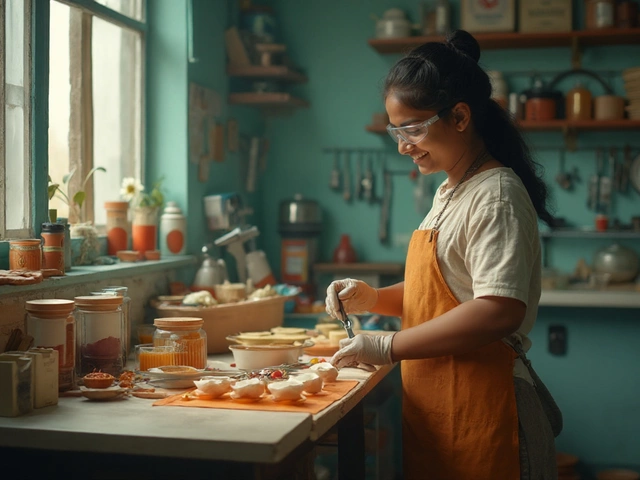
India isn’t a top producer of plastic, but it’s becoming a major player in managing its waste. With cities like Surat and Mumbai generating tons of plastic daily, small recyclers are stepping in. These aren’t big factories—they’re local units, often family-run, sorting waste by color and type, grinding it, and selling it to manufacturers who turn it into new products. It’s low-tech, labor-intensive, and vital. The same recycling industry, the network of businesses that collect, process, and sell recycled materials. Also known as waste recovery sector, it’s what keeps plastic out of rivers and gives value to what most people throw away. This industry thrives where big systems fail. And in India, it’s growing fast—not because of government mandates, but because people need jobs and businesses need cheap raw materials.
What you’ll find below are real stories from the front lines. Posts that explain how plastic waste is turned into profit, which countries lead in recycling tech, why some plastics can’t be recycled at all, and how small manufacturers in India are using recycled material to build better, cheaper products. You’ll see how a single plastic bag can become a chair, how a factory in Gujarat repurposes waste into bricks, and why the future of manufacturing might not be about making more plastic—but using less of it.
Oct
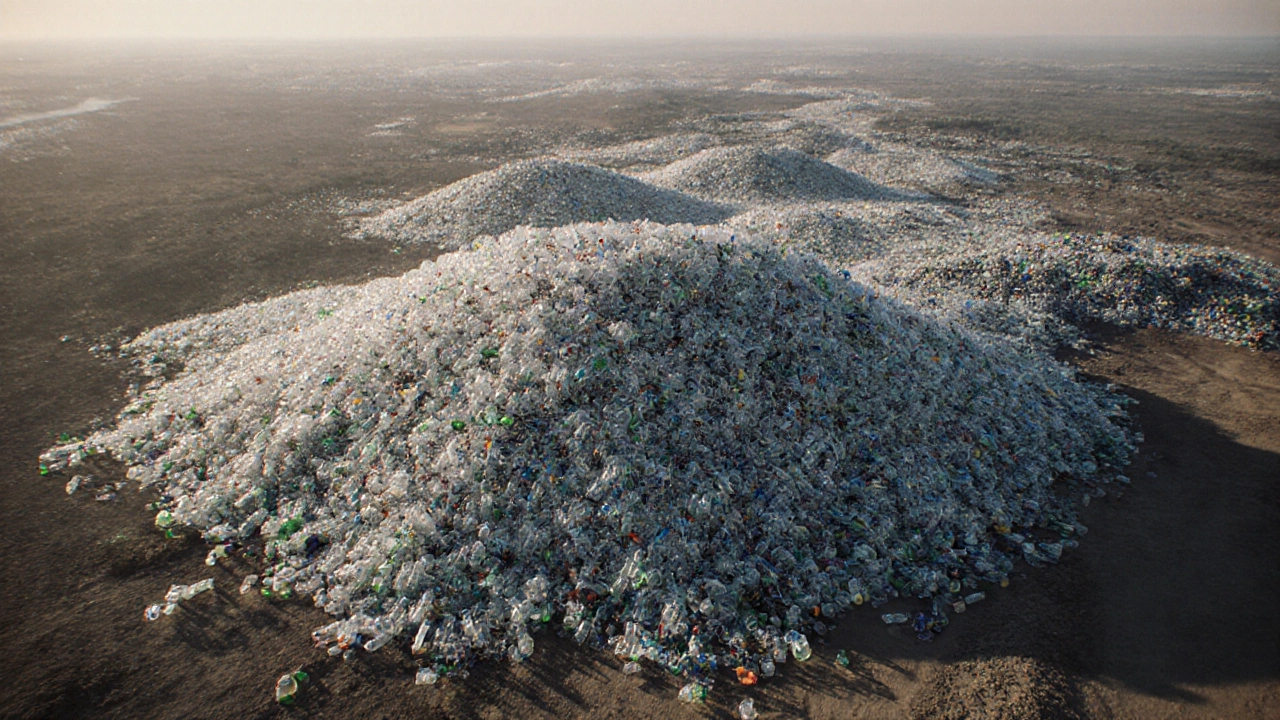
Explore why PET beverage bottles top the list of discarded plastics, see the stats behind the waste, and learn actionable steps for consumers and policymakers to cut the most thrown away plastic.
Mar 17 2025
Jul 19 2025
Mar 5 2025
Sep 22 2025
Mar 3 2025