Plastic Free Countries: Is Any Nation Winning the Battle?
May 17 2025
A manufacturing system, a structured way of turning raw materials into finished products using tools, labor, and planning. Also known as a production system, it’s not just about machines—it’s about how people, processes, and purpose come together to make something real. Whether it’s a single worker shaping bricks by hand in a small yard or a factory in Gujarat pumping out thousands daily, the core idea stays the same: turn input into output, efficiently and reliably.
Not all manufacturing systems are built for mass output. Many thrive on flexibility. In India, you’ll find small scale manufacturing operations that make goods in batches, often with local materials and skilled hands. These aren’t outdated—they’re smarter in ways big factories can’t match. They adjust fast, serve niche markets, and keep jobs local. Think of the brickmaker who tweaks clay mix based on seasonal humidity, or the food processor in Kerala who roasts spices in small batches to keep flavor alive. These are production units designed for control, not just volume.
The biggest mistake people make? Thinking bigger is always better. The truth? A well-run small system often outperforms a bloated one. Look at India’s rise in electronics manufacturing. It’s not because we copied China’s giant factories—it’s because we built systems that fit our needs: lower startup costs, faster turnaround, and government support for local hubs. Even in pharma, where quality is life-or-death, Indian companies won global trust not by scaling fastest, but by building manufacturing processes that meet strict international standards—one batch at a time.
What makes a system work isn’t the size of the building or the number of machines. It’s clarity. Who’s responsible? What’s the step-by-step flow? How do you catch mistakes before they cost you? The best systems—whether in a garage or a plant—have simple rules, trained people, and a focus on consistency. That’s why manufacturing system isn’t just a term you hear in textbooks. It’s what keeps your bricks strong, your medicine safe, and your food fresh.
Below, you’ll find real stories from across India’s manufacturing landscape—from the brick kilns of Uttar Pradesh to the electronics assembly lines in Tamil Nadu. You’ll see how small teams beat big corporations by focusing on what matters: quality, adaptability, and trust. No fluff. Just what works.
Oct
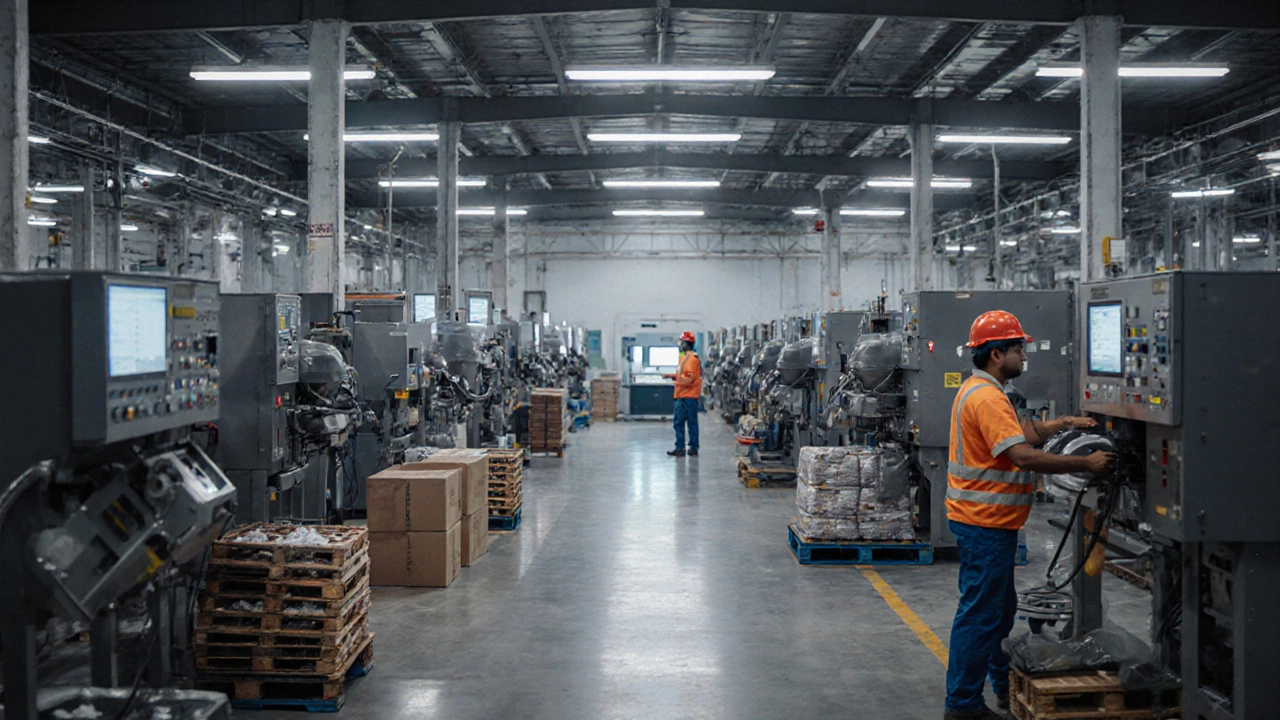
Discover why batch production is the most common manufacturing system, how it compares to other setups, and what future trends mean for your plant.

May 17 2025

Nov 21 2025

Sep 8 2025

Mar 5 2025
Oct 25 2025