What’s the Most Common Manufacturing System? Explained
Oct 9 2025
When we talk about import dependent chemicals, chemicals that India must bring in from abroad because it can’t produce enough domestically. Also known as domestically unviable chemicals, these are the building blocks behind medicines, fertilizers, dyes, plastics, and even the additives used in brick manufacturing. India makes a lot of chemicals — it’s the sixth largest producer globally — but it still imports over 40% of its specialty chemical needs. Why? Because making some chemicals requires ultra-pure raw materials, advanced reactors, or energy-intensive processes that are too costly or risky for small players to tackle alone.
Take petrochemicals, chemicals derived from oil and gas that form the base for plastics, solvents, and synthetic fibers. Most of India’s petrochemical feedstock comes from the Middle East or the U.S., even though we have oil refineries. Why? Because turning crude into high-grade ethylene or propylene needs massive, continuous-scale plants — the kind only big corporations like Reliance can afford. Small manufacturers? They buy the finished chemicals instead. Same goes for active pharmaceutical ingredients (APIs), the key compounds in medicines that Indian drug makers mix into pills and syrups. Even though India exports billions in finished drugs, it imports over 70% of its APIs from China. That’s not a weakness — it’s a strategic choice. Making APIs requires extreme precision, sterile environments, and regulatory approvals that take years. Why build it when you can buy it cheaper and faster?
For companies like Trang Bricks India, import dependent chemicals aren’t just a supply chain headache — they’re part of the product. Brick production uses chemical additives to improve strength, reduce water absorption, and speed up curing. Some of these additives, like sodium silicate or plasticizers, aren’t made in India at scale. So we source them from trusted global suppliers. It’s not ideal, but it’s practical. The real challenge? When global prices spike or shipping delays hit, local production slows down. That’s why India’s push for self-reliance in chemicals isn’t about replacing every import — it’s about reducing dependency on the most critical ones. The government’s PLI scheme for specialty chemicals is trying to fix this, but progress is slow. What you’ll find below are real stories from small manufacturers who’ve learned to work around these gaps, who’ve found local alternatives, or who’ve turned import reliance into a competitive edge.
Oct
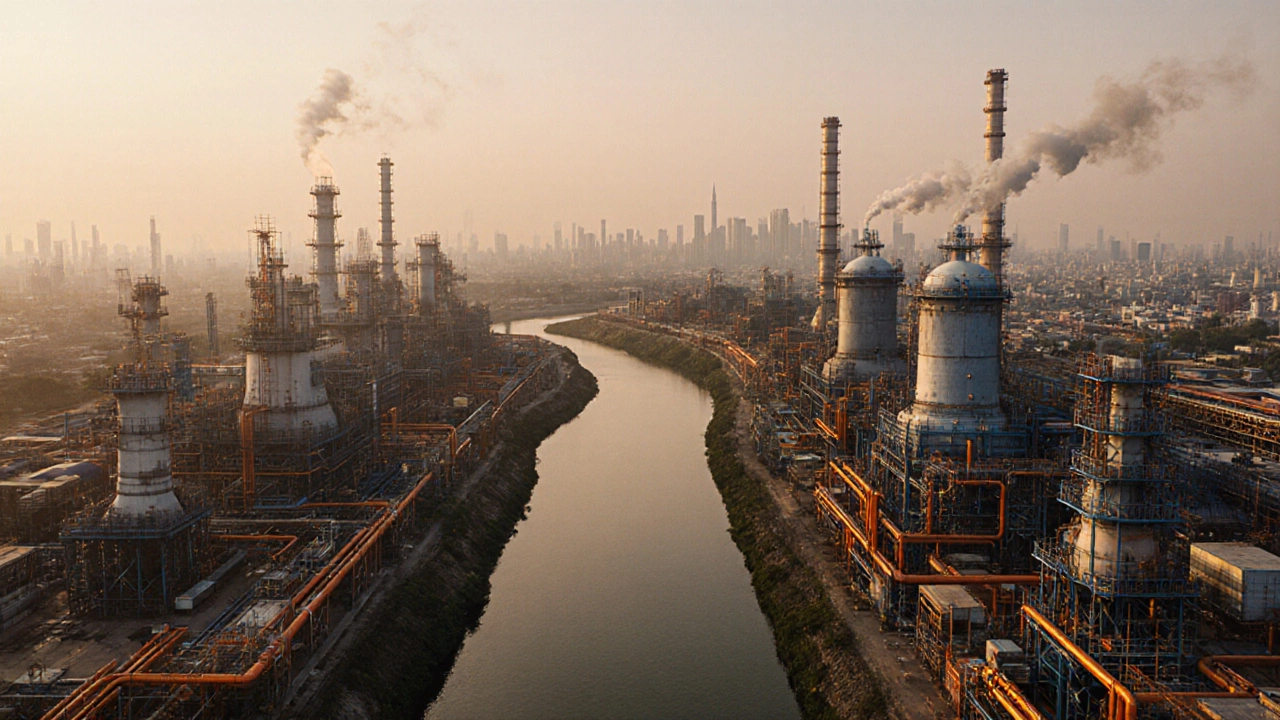
Discover which chemicals India still imports, why they aren't made locally, and how this gap creates opportunities for traders and investors.
Oct 9 2025

Mar 1 2025

Oct 14 2025

Nov 20 2025

Oct 8 2025