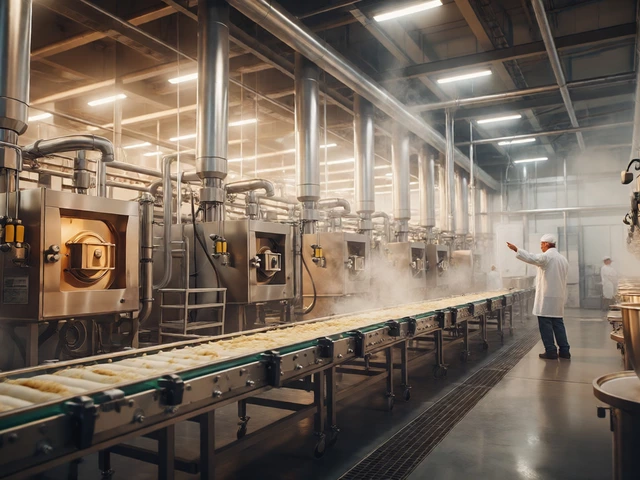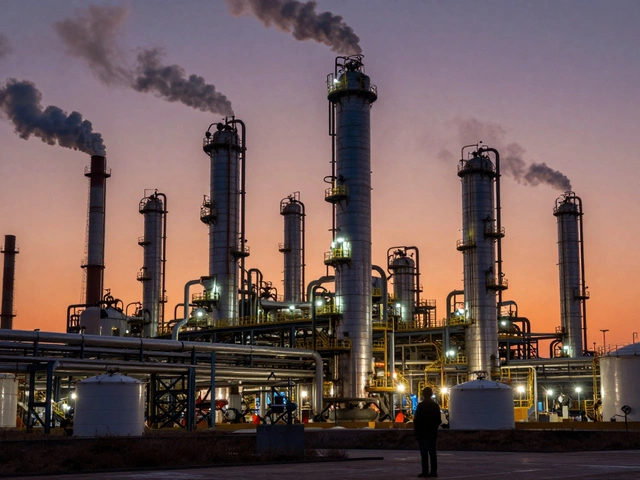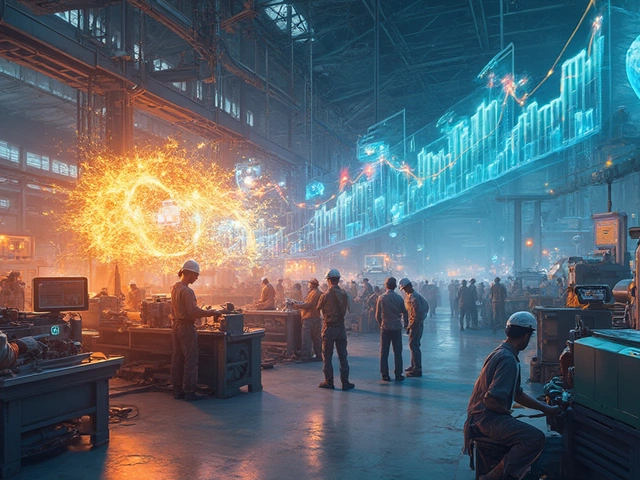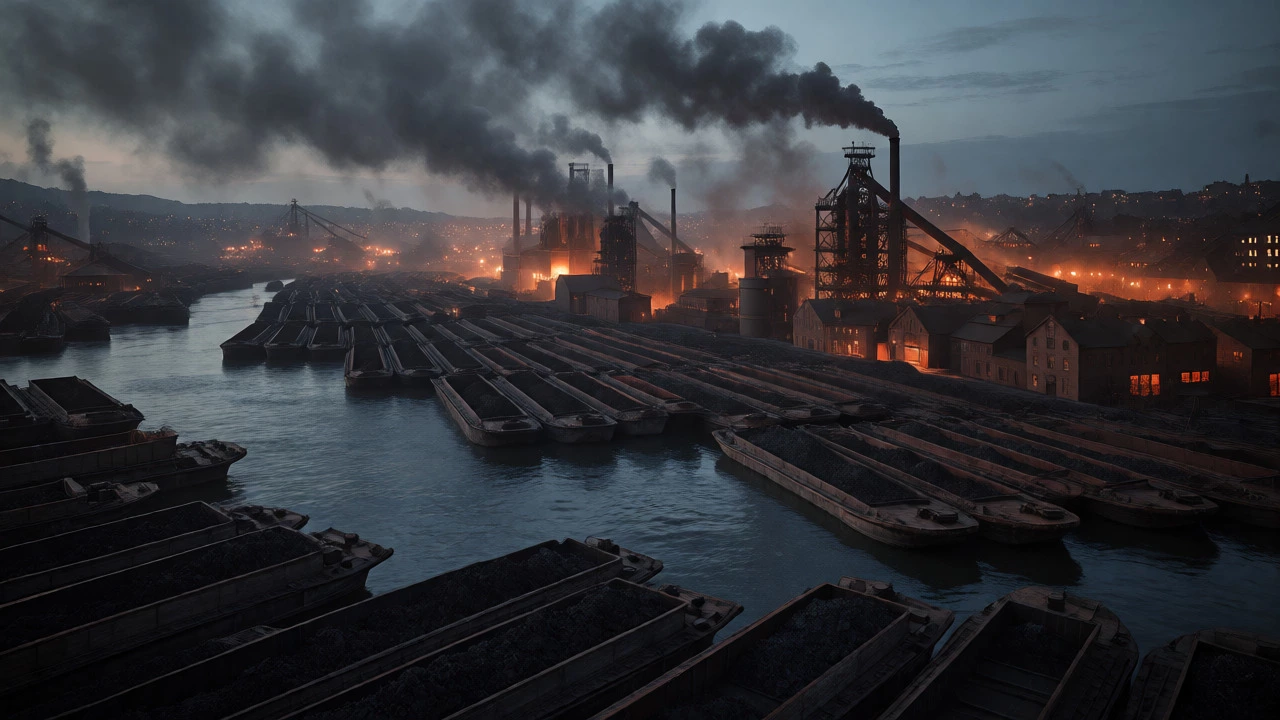
Pittsburgh Steel Era Simulator
Explore how Pittsburgh transformed from the "Steel Capital of the World" into a modern service-based economy. Adjust the timeline to see changes in production, employment, and city identity.
Primary Economic Driver
Heavy Manufacturing & Raw Steel Production
Key Employers
Carnegie Steel, US Steel, Homestead Works
| Metric | Peak Era (1900–1950) | Post-Industrial Era (2000–Present) |
|---|---|---|
| Output | Raw steel, rails, beams | Specialty alloys, healthcare tech |
| Top Employer | US Steel / Bethlehem Steel | UPMC / Highmark Health |
| Global Standing | #1 Producer Hub | Regional Innovation Center |
You might think Pittsburgh is just a city known for its bridges and sports teams. But if you look at the economic backbone of America in the late 19th and early 20th centuries, this Pennsylvania city was the beating heart of the nation's steel production. It wasn't just a major player; it was the undisputed steel capital of the United States. Why? Because geography, innovation, and one ruthless industrialist named Andrew Carnegie collided here to create an empire that built skyscrapers, railroads, and warships worldwide.
Why Pittsburgh Earned the Title
The story isn't magic. It's geology and logistics. Pittsburgh sits at the confluence of three rivers-the Allegheny, Monongahela, and Ohio. This location provided two critical ingredients for steelmaking: easy transport for raw materials and access to coal. In the mid-1800s, moving heavy iron ore and coal by water was vastly cheaper than by rail or road. Ships could bring iron ore from Minnesota down the Great Lakes and into the Mississippi, then up the Ohio River right to Pittsburgh's doorstep. Coal from nearby West Virginia and Pennsylvania fields fueled the blast furnaces. This natural advantage gave Pittsburgh a massive head start over other cities like Chicago or New York.
But resources alone don't make a capital. You need people who can use them. Enter Andrew Carnegie. He didn't invent steel, but he revolutionized how it was made and sold. By adopting the Bessemer process-a method to blow air through molten iron to remove impurities-Carnegie dramatically lowered the cost of production. His company, Carnegie Steel Company, became so efficient that it undercut competitors globally. By the 1890s, Pittsburgh produced more steel than all of Great Britain combined. That’s not a typo. One American city out-produced an entire European nation.
The Industrial Ecosystem That Built a City
Steel wasn't just one factory; it was an ecosystem. When you talk about the "steel capital," you're talking about thousands of interconnected businesses. There were the big integrated mills, like the Homestead Works, which handled everything from raw ore to finished beams. Then there were smaller plants specializing in wire, nails, rails, and tools. This vertical integration meant that if you needed a specific type of steel beam for a bridge, you could get it made within a few miles of where you worked.
This density created a labor market unlike any other. Skilled workers, including puddlers and rollers, flocked to the region. Wages were decent compared to agricultural work, drawing immigrants from Ireland, Italy, Poland, and Eastern Europe. These communities formed tight-knit neighborhoods around the mills, creating a distinct cultural identity tied to shift work and union struggles. The Amalgamated Association of Iron and Steel Workers fought hard for rights, leading to famous clashes like the Homestead Strike of 1892. These events shaped labor laws across the country, proving that Pittsburgh's influence extended far beyond metal.
From Boom to Bust: The Decline of Heavy Industry
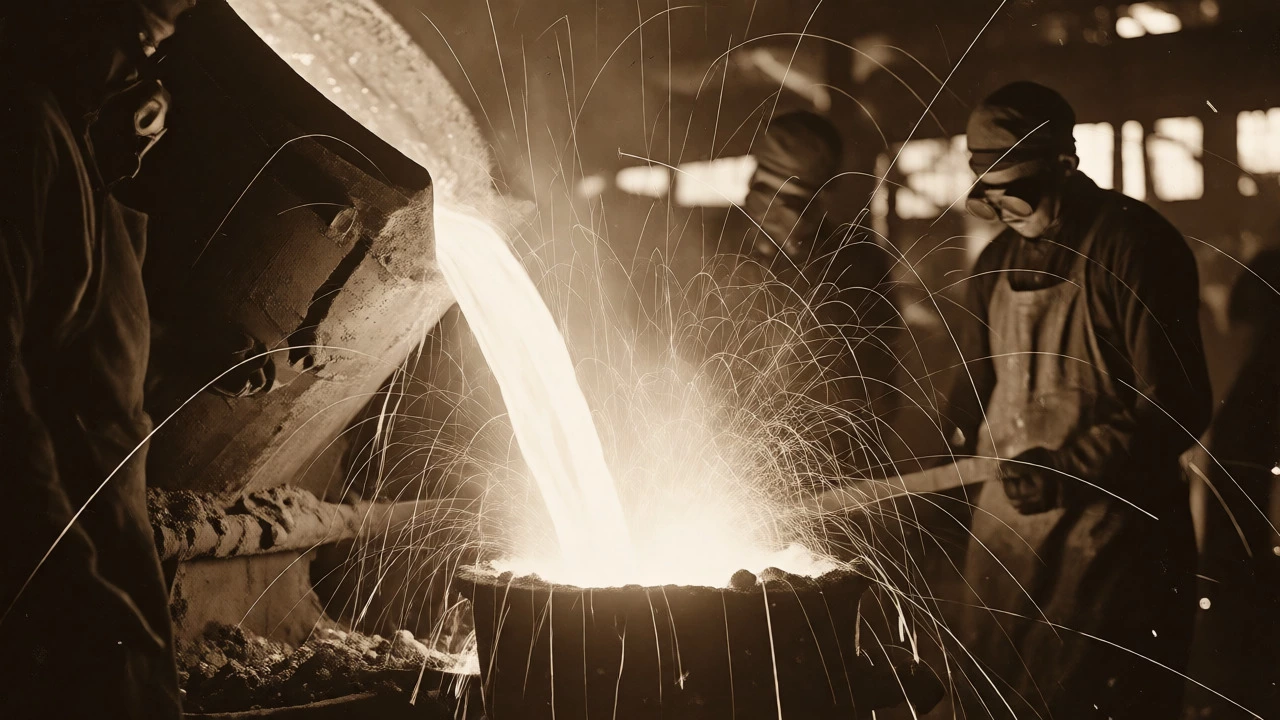
If Pittsburgh was the king, what happened to the crown? The decline started slowly after World War II. For decades, US steelmakers relied on outdated technology while foreign competitors, particularly in Japan and Germany, adopted newer, more efficient methods like basic oxygen furnaces and continuous casting. American mills stuck with open-hearth furnaces, which were slower and less energy-efficient. Costs rose, and quality lagged behind imports.
By the 1970s and 1980s, the crisis hit hard. The term "Rust Belt" entered the vocabulary because of places like Pittsburgh. Plants closed en masse. Between 1978 and 1986, the US steel industry lost nearly 400,000 jobs. In Pittsburgh alone, tens of thousands of mill workers found themselves unemployed almost overnight. The smokestacks went silent. The sky, once perpetually gray with soot, began to clear. This wasn't just an economic shift; it was a social trauma. Entire towns vanished as families moved away seeking work elsewhere.
| Metric | Peak Era (1900-1950) | Post-Industrial Era (2000-Present) |
|---|---|---|
| Primary Output | Raw steel, rails, beams | Specialty alloys, healthcare tech, robotics |
| Major Employers | US Steel, Bethlehem Steel | UPMC, Highmark Health, Duquesne Light |
| Economic Driver | Heavy manufacturing | Services, education, medical research |
| Global Standing | #1 producer hub | Regional innovation center |
Is Any Other City a Contender?
You might hear arguments for Gary, Indiana, or Cleveland, Ohio. And they have valid claims. Gary was literally built by US Steel in 1906 as a planned industrial town. At its peak, it housed some of the largest single-site steel plants in the world. Cleveland had strong ties to the industry through companies like Jones & Laughlin. However, neither matched Pittsburgh's sheer volume and historical dominance during the formative years of the US steel industry.
Today, the landscape has changed again. Modern steel production is no longer concentrated in one giant hub. Facilities are scattered closer to markets or scrap sources. For example, Nucor Corporation, now the largest steelmaker in the US, operates mini-mills across various states, including Texas and Arkansas. These electric arc furnace plants recycle scrap steel rather than processing raw iron ore. They are smaller, cleaner, and more flexible than the old integrated mills. So while no single city holds the absolute title today, Pittsburgh retains the historical honor as the birthplace of modern American steel power.
Legacy and Modern Identity
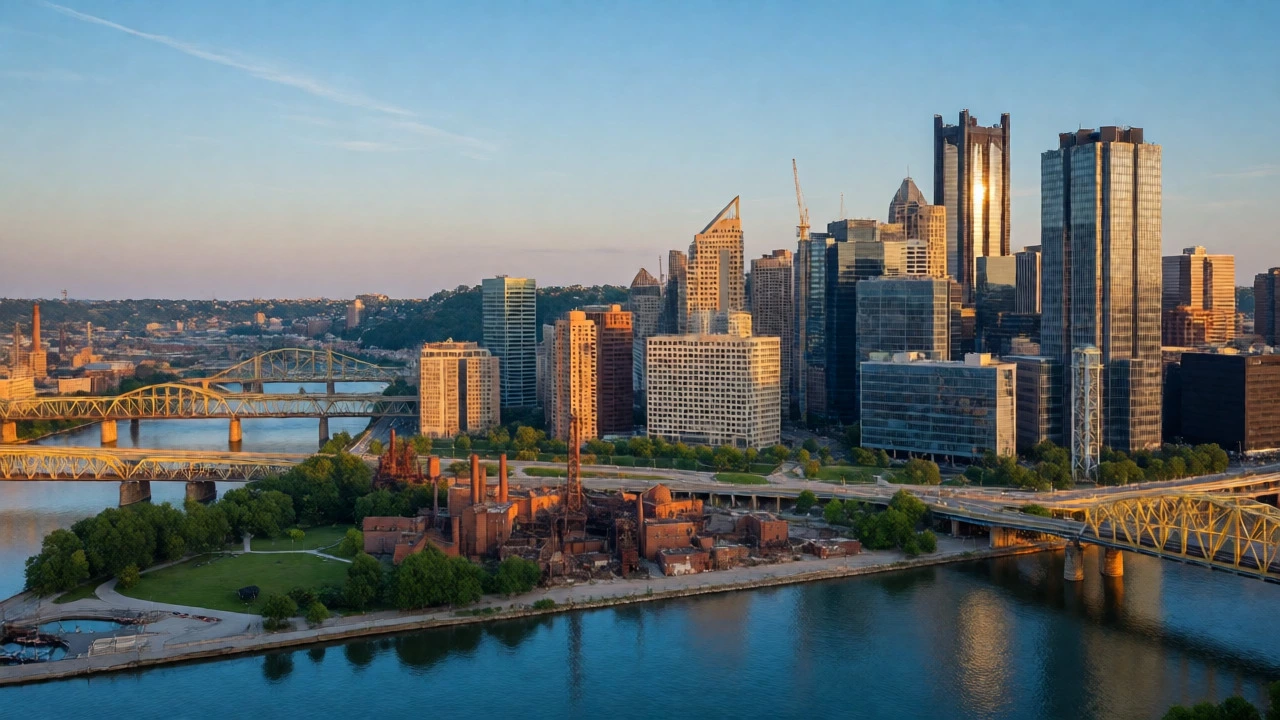
So, why does this matter now? Because understanding the steel capital helps explain modern urban economics. Pittsburgh transformed itself from a polluted industrial zone into a hub for healthcare, education, and technology. The same grit that drove steelworkers helped the city reinvent itself. Today, the University of Pittsburgh Medical Center (UPMC) is one of the largest employers in the region, replacing the steel mills as the economic anchor. Robotics companies thrive in areas where factories once stood.
The physical legacy remains visible too. The bridges spanning the rivers are often called the "City of Bridges," many built with steel forged locally. Museums like the Rivers of Steel National Heritage Area preserve the stories of those who lived and worked in the mills. If you visit today, you'll see green parks where slag heaps used to be. The air is clean. The noise is gone. But the reputation lingers. When historians discuss industrialization, they point to Pittsburgh first. It serves as a case study in both extreme success and painful transition.
Key Takeaways
- Geographic Advantage: Pittsburgh's river confluence allowed cheap transport of coal and iron ore.
- Innovation Hub: Andrew Carnegie's adoption of the Bessemer process slashed costs and boosted output.
- Historical Dominance: At its peak, Pittsburgh produced more steel than all of Great Britain.
- Economic Shift: The decline in the 1980s led to the "Rust Belt" phenomenon and a pivot to services.
- Modern Reality: Steel production is now decentralized, but Pittsburgh holds the historical title.
Why was Pittsburgh chosen as the steel capital?
Pittsburgh had unique geographic advantages. It sat at the meeting point of three major rivers, providing low-cost transportation for raw materials like iron ore and coal. Additionally, the region had abundant local coal deposits, which were essential for fueling the high temperatures needed in steelmaking.
Who was the most important figure in Pittsburgh's steel history?
Andrew Carnegie is widely considered the most influential figure. Although Henry Clay Frick managed operations, Carnegie's business strategies and adoption of new technologies like the Bessemer process allowed his company to dominate the global steel market in the late 19th century.
Does Pittsburgh still produce steel today?
Yes, but on a much smaller scale compared to its peak. While large integrated mills have closed, specialized steel processing and finishing facilities remain active. The focus has shifted from mass production of raw steel to value-added products and specialty alloys.
What caused the decline of the steel industry in the US?
Several factors contributed: outdated technology compared to foreign competitors, higher labor costs, increased environmental regulations, and a surge in imported steel from countries like Japan and Germany. These issues culminated in massive plant closures during the 1980s.
Are there other cities that claim the title of steel capital?
Gary, Indiana, and Cleveland, Ohio, are often cited due to their significant steel plants. However, historically, Pittsburgh held the title due to its larger total output, earlier industrialization, and central role in developing the national supply chain.