Plastic Pollution Impact Calculator
Select Company
Choose a company from the left to view its plastic impact profile.
It’s easy to blame the person littering a bottle on the sidewalk. But if you really want to stop the plastic crisis, you have to look upstream. The real problem isn’t just bad habits; it’s a handful of massive corporations that produce more plastic than they recycle or manage responsibly. So, who is actually the largest plastic polluter in the world?
The answer depends on how you measure "pollution." Are we talking about the company that produces the most raw plastic resin? Or the brand whose packaging ends up in our oceans and landfills? Most data points to a mix of fossil fuel giants and consumer goods behemoths. Let’s break down the names, the numbers, and what this means for the planet.
The Big Picture: Who Produces the Most Plastic?
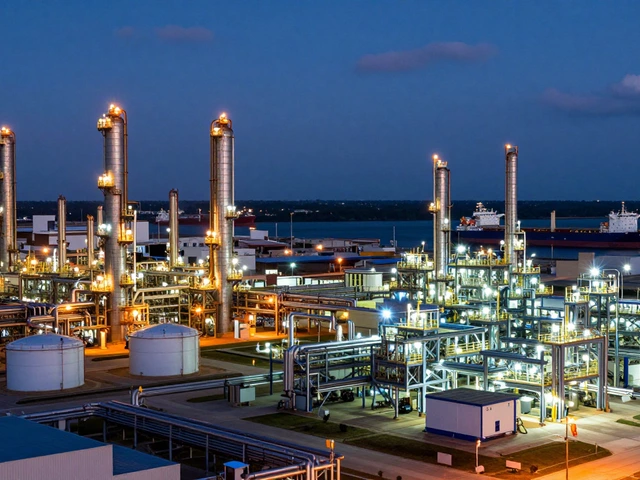
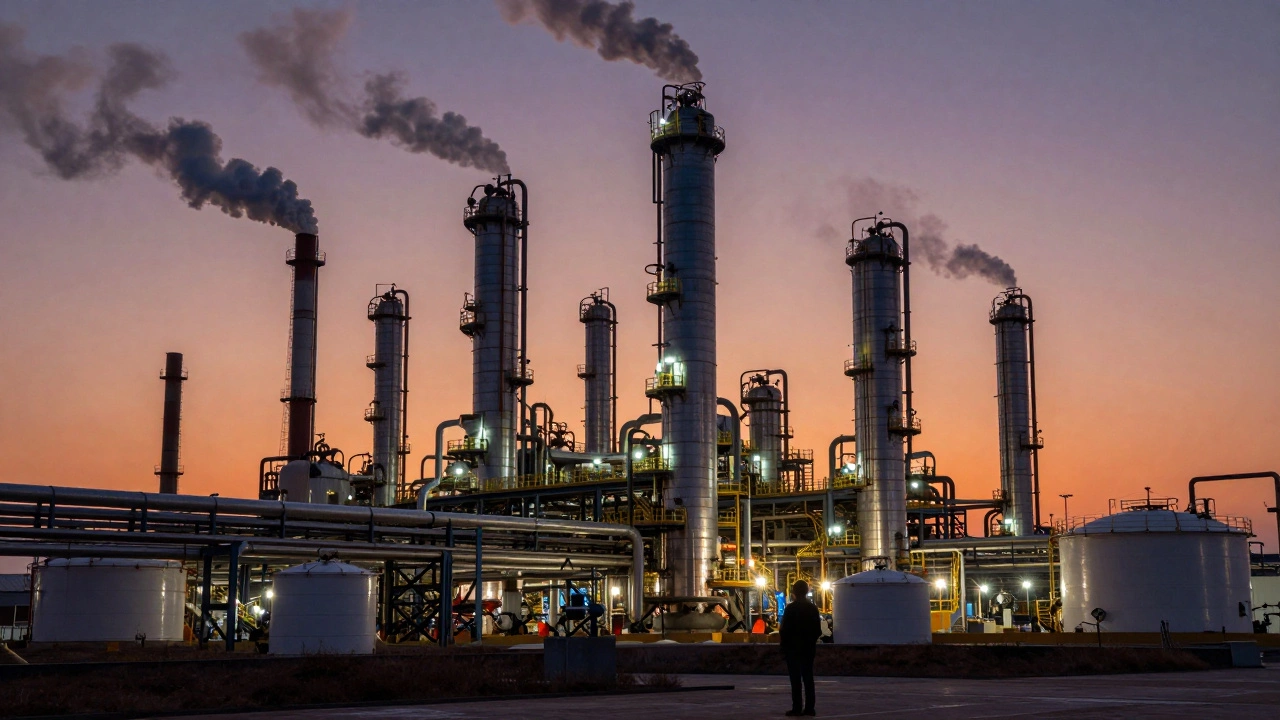
When people ask who the biggest polluter is, they often mean who makes the most stuff. In that case, the list is dominated by chemical and energy companies. These firms create the plastic resins that serve as the building blocks for everything from water bottles to car parts.
According to recent data from environmental watchdogs like Break Free From Plastic and the Carbon Disclosure Project (CDP), the top producers are:
- Sinopec (China): Often cited as the world’s largest producer of plastic feedstocks.
- ExxonMobil (USA): A major player in both oil extraction and plastic manufacturing.
- SABIC (Saudi Arabia): One of the largest petrochemical producers globally.
- Dow Chemical (USA): A historic leader in polymer production.
- LyondellBasell (Netherlands): Specializes in polyolefins used in packaging.
These companies don’t just make plastic; they control the supply chain. Sinopec alone produces enough ethylene and propylene to fill millions of ships annually. The issue here is volume. Even if these companies claim to be "green," the sheer scale of their output overwhelms recycling infrastructure.
The Brand Name Polluters: Consumer Goods Giants
If you’re looking at the logos on your grocery shelves, the story changes slightly. These are the companies that package food, drinks, and household items. They might not manufacture the raw resin, but they are responsible for the single-use waste that clogs drains and harms wildlife.
Data consistently flags a few familiar names as the worst offenders for single-use plastic waste:
| Company | Primary Product | Key Issue |
|---|---|---|
| Coca-Cola | Beverages | Single-use PET bottles; slow adoption of refillable models. |
| PepsiCo | Snacks & Drinks | Multi-layered snack wrappers that are nearly impossible to recycle. |
| Nestlé | Food & Water | Small sachets and bottled water; high volume of lightweight packaging. |
| Unilever | Household & Personal Care | Plastic bottles for shampoos, detergents, and conditioners. |
| Procter & Gamble | Hygiene & Cleaning | Rigid plastic containers and disposable diaper components. |
Why are these companies always on the list? Because convenience sells. A plastic water bottle is cheap and portable. A chip bag keeps snacks fresh for months. But that convenience comes with a hidden cost: most of this packaging is designed to be used once and thrown away forever. Coca-Cola, for instance, has been named the world’s top plastic polluter multiple times by audits of beach cleanups worldwide.
Fossil Fuels vs. Packaging: Which Is Worse?
This is where it gets tricky. You can’t separate plastic pollution from climate change. Plastic is made from petroleum and natural gas. Every ton of plastic produced releases greenhouse gases during extraction, refining, and manufacturing.
Here’s the breakdown:
- Upstream Pollution: Companies like ExxonMobil and Shell contribute to pollution through carbon emissions and potential oil spills. Their plastic production adds to the global carbon footprint.
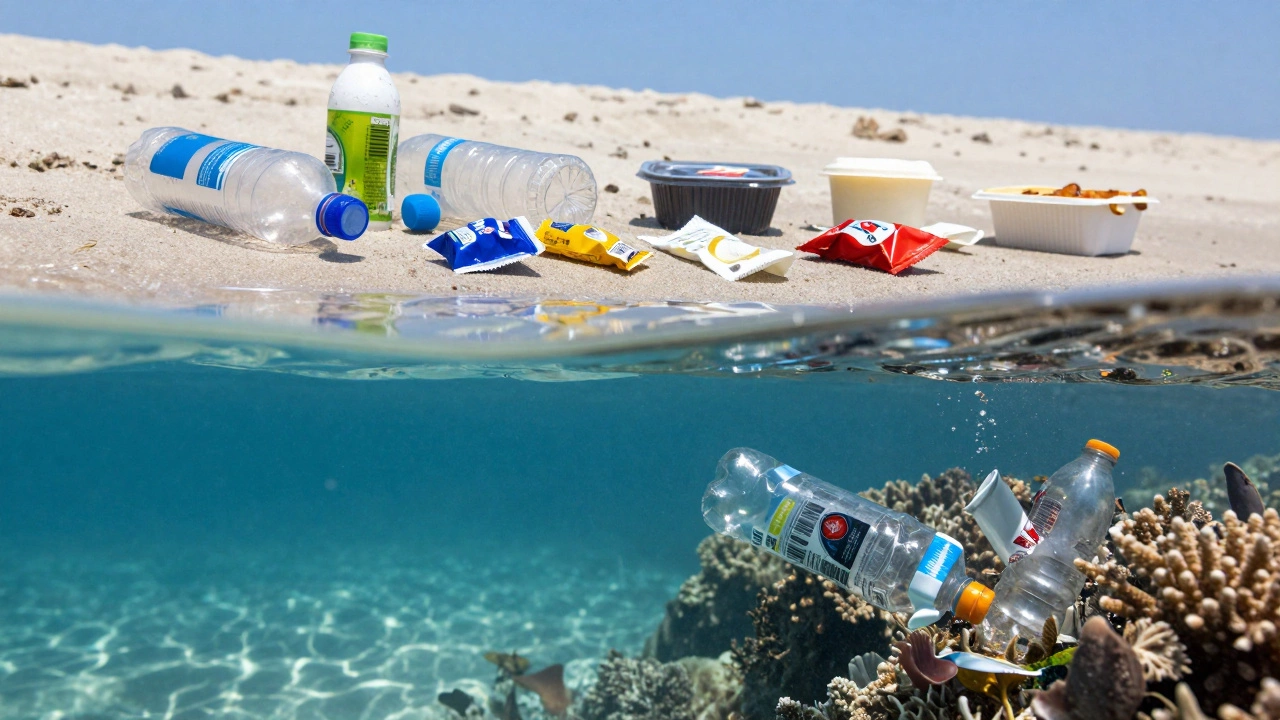
- Downstream Pollution: Companies like Coca-Cola and Nestlé contribute through physical waste. Their products end up in ecosystems, breaking down into microplastics that enter the food chain.
Some experts argue that fossil fuel companies are the root cause because they profit from creating new plastic rather than solving the waste problem. Others point out that without demand from consumer brands, there would be no market for so much resin. It’s a symbiotic relationship between producers and packagers.
Why Recycling Isn’t Fixing the Problem
You’ve probably heard that only 9% of all plastic ever made has been recycled. That number hasn’t moved much in years. Why? Because the system is broken.
First, many plastics are technically recyclable but economically unviable. Collecting, sorting, and cleaning dirty plastic costs more than making new plastic from cheap oil. Second, complex packaging-like those laminated coffee pods or multi-layered juice boxes-cannot be separated easily. They go straight to landfill or incineration.
Companies often promote recycling as a solution to shift responsibility onto consumers. "Please Recycle" labels suggest it’s your job to fix their design flaws. But until we reduce the amount of virgin plastic entering the stream, recycling will remain a band-aid on a bullet wound.
What Are These Companies Doing About It?
Under pressure from governments, investors, and activists, many large polluters have pledged to cut plastic use. Here’s what that looks like in practice:
- Extended Producer Responsibility (EPR): Laws in Europe and parts of Asia now force companies to pay for the collection and recycling of their packaging. This incentivizes better design.
- Recycled Content Goals: Brands like Unilever and PepsiCo aim to use 50% recycled plastic in their bottles by 2025-2030. Progress is slow due to limited supply of clean recycled material.
- Alternative Materials: Some firms are testing paper-based coatings, edible films, or compostable bioplastics. However, many bioplastics still require industrial facilities to break down, which aren’t widely available.
Critics say these efforts are too little, too late. Greenwashing remains a concern when companies highlight minor innovations while continuing to pump out billions of tons of new plastic.

How Can You Identify and Avoid Plastic Polluters?
As a consumer, you have power. You can choose brands that prioritize circularity over convenience. Look for these signs:
- Refillable Options: Does the brand offer bulk refills or durable containers? Glass jars and aluminum cans are infinitely recyclable.
- Transparent Reporting: Check if the company publishes annual sustainability reports with specific metrics on plastic reduction, not just vague promises.
- Minimal Packaging: Choose products sold loose or in minimal packaging. Bulk bins for groceries reduce waste significantly.
- Support Legislation: Advocate for policies that ban unnecessary single-use items and hold producers financially accountable for waste management.
Switching brands might seem small, but collective action drives market change. When fewer people buy heavily packaged goods, companies notice.
The Future of Plastic Production
The trend is shifting toward regulation. The United Nations is negotiating a Global Plastics Treaty aimed at capping production and standardizing materials. If successful, this could limit the ability of mega-producers like Sinopec and Dow to expand unchecked.
Meanwhile, technology is evolving. Chemical recycling-breaking plastic down to its molecular level to make new plastic-is promising but energy-intensive. Mechanical recycling needs higher quality input streams. Both require investment and policy support.
Ultimately, identifying the largest plastic polluters is step one. Step two is holding them accountable. Whether through voting with your wallet, supporting advocacy groups, or demanding legislative action, the goal is clear: decouple economic growth from plastic waste.
Is Coca-Cola really the largest plastic polluter?
Yes, in terms of single-use plastic waste found in environments. Multiple independent audits by organizations like Break Free From Plastic have consistently ranked Coca-Cola as the top contributor to plastic litter globally, primarily due to its vast network of bottling plants and reliance on PET bottles.
Which country produces the most plastic waste?
The United States and China are typically the largest generators of plastic waste by total volume. However, per capita, countries like Australia and New Zealand often rank highest. Mismanaged waste is a significant issue in developing nations lacking adequate infrastructure.
What is the difference between plastic producers and plastic polluters?
Producers make the raw materials (resins) or finished goods. Polluters are entities whose products end up improperly disposed of in the environment. While some overlap exists, a producer might sell resin to many brands, making attribution difficult. Polluter lists usually focus on brand-level accountability for packaging waste.
Are bioplastics a solution to plastic pollution?
Not necessarily. Many bioplastics still persist in nature if not composted industrially. They can also contaminate traditional recycling streams. Bioplastics are helpful only if paired with proper disposal infrastructure and reduced overall consumption.
How does the UN Global Plastics Treaty affect major companies?
The treaty aims to cap global plastic production and standardize labeling and design requirements. For major companies, this means stricter limits on virgin plastic use, mandatory recycled content, and financial responsibility for end-of-life management, forcing systemic changes beyond voluntary pledges.