Small-Scale Manufacturing Niche Finder
Discover which booming industry aligns best with your current assets and local market conditions.
Recommended Focus
0%Niche Name
You might be staring at your workshop floor, wondering where the next big wave is coming from. It’s a common feeling. The headlines scream about AI and robotics, but those require massive capital. For most of us running small-scale operations, the real money isn’t in building humanoid robots; it’s in making the specific, often overlooked components that keep them running. Or better yet, in serving local needs that global giants are too slow to address.
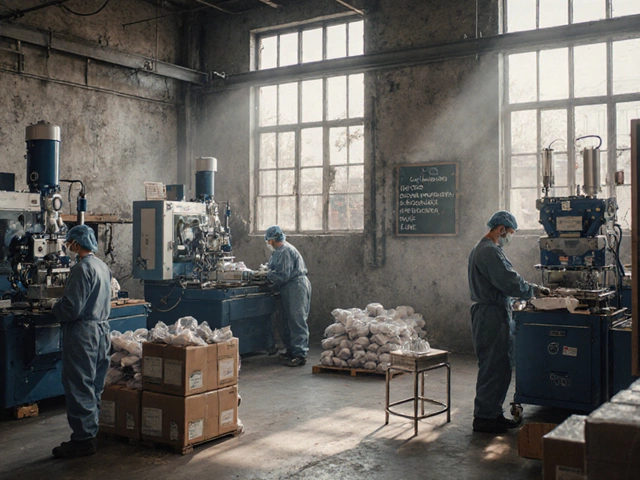
So, what industry is actually booming right now? If you’re looking to start or expand a small business in late 2026, the sweet spot lies where digital demand meets physical production. We aren’t talking about generic t-shirts. We’re talking about high-value, low-volume items that solve immediate problems. Let’s break down the sectors that are genuinely growing, not just hyped.
The Rise of Niche Electronics Assembly
Think about the last time you bought a smart home device. Chances are, the main board was made overseas, but the casing, the custom connectors, or the repair parts were likely sourced locally or regionally. This is where small scale manufacturing shines. The global supply chain has become fragile. Companies want redundancy. They want backup suppliers who can turn around a batch of 500 custom PCB housings in two weeks, not six months.
We’ve seen a surge in demand for IoT (Internet of Things) device enclosures. These aren’t mass-produced plastic tubs. They need specific certifications, often IP-rated for dust and water resistance, and sometimes specialized finishes for medical or industrial use. A small injection molding shop or a CNC machining unit can thrive here. You don’t need a million-dollar factory. You need precision and speed.
| Feature | Mass Production | Niche Small Scale |
|---|---|---|
| Lead Time | 12-20 weeks | 1-3 weeks |
| Minimum Order Quantity | 10,000+ units | 50-500 units |
| Customization Level | Low | High |
| Profit Margin | Thin (Volume-based) | Healthy (Value-based) |
Sustainable Packaging and Bioplastics
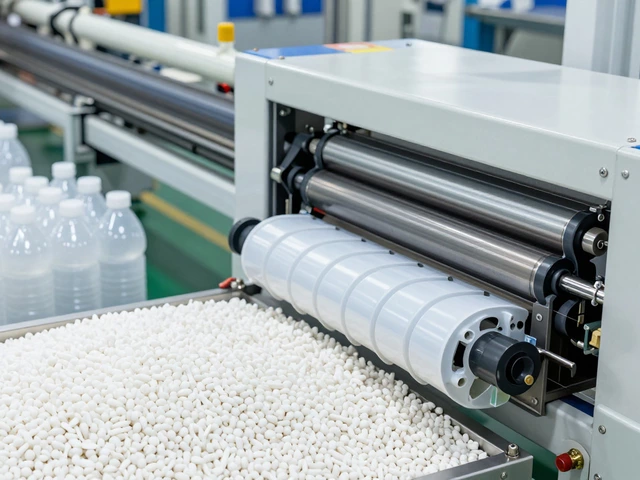
Plastic is getting a bad reputation, and honestly, much of it is deserved. But we still need packaging. Enter biodegradable alternatives. This isn’t just a trend; it’s becoming regulation. In many regions, single-use plastics are being phased out. That creates a vacuum. Who fills it? Small manufacturers producing compostable mailers, mushroom-based packaging inserts, or seaweed-derived films.
Consider the e-commerce boom. Every parcel needs protection. Traditional bubble wrap is out; paper honeycomb structures and molded pulp are in. Setting up a line to produce molded pulp trays for electronics or glassware requires moderate investment but yields steady contracts with local distributors. The key here is material science. You don’t need to invent new materials, but you do need to master existing ones like PLA (polylactic acid) or bagasse.
Why does this work for small players? Because large brands want to test these sustainable options without committing to millions of units. They need agile partners who can iterate designs quickly. If you can offer rapid prototyping and small batch runs, you become indispensable.
Healthcare Devices and Medical Consumables
Post-pandemic, the world realized how dependent it was on distant medical supply chains. Governments and hospitals are actively seeking local sources for essential consumables. We’re not talking about MRI machines. We’re talking about surgical gowns, face shields, syringe barrels, and diagnostic kit housings.
This sector demands strict quality control. ISO 13485 certification is often non-negotiable. But once you have that badge, the barriers to entry are higher for competitors, protecting your margins. A small clean-room facility producing sterile packaging or custom-fit orthotic devices can generate consistent revenue. The aging population in places like Liverpool and across Europe ensures demand won’t dry up anytime soon.
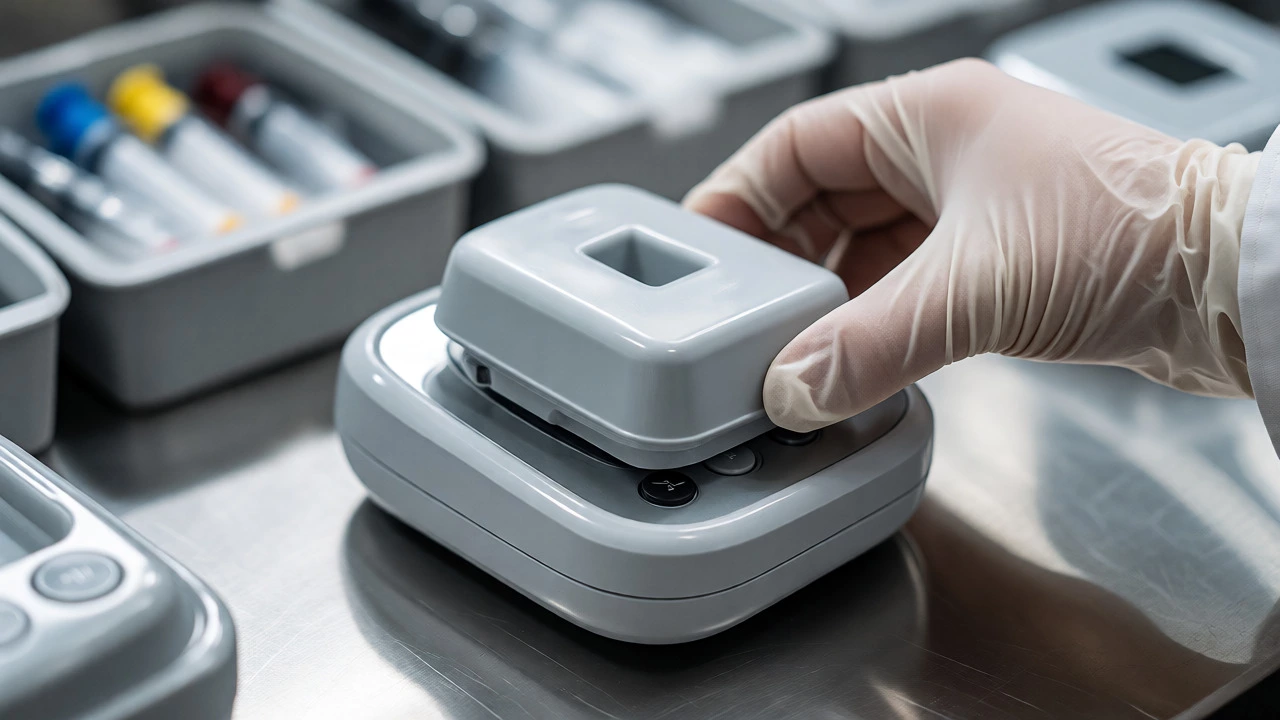
One specific area gaining traction is home-care monitoring devices. Think of simple, durable cases for blood pressure monitors or glucose meters. These need to be robust, easy to clean, and aesthetically pleasing enough for a living room shelf. Injection molding firms that specialize in medical-grade resins are seeing order books fill up faster than they did five years ago.

Electric Vehicle (EV) Component Fabrication
You don’t need to build cars to benefit from the EV revolution. Car manufacturers are outsourcing more than ever. They focus on batteries and software, leaving mechanical parts to specialists. What kind of parts? Battery cooling plates, wiring harness clips, charging port covers, and lightweight structural brackets.
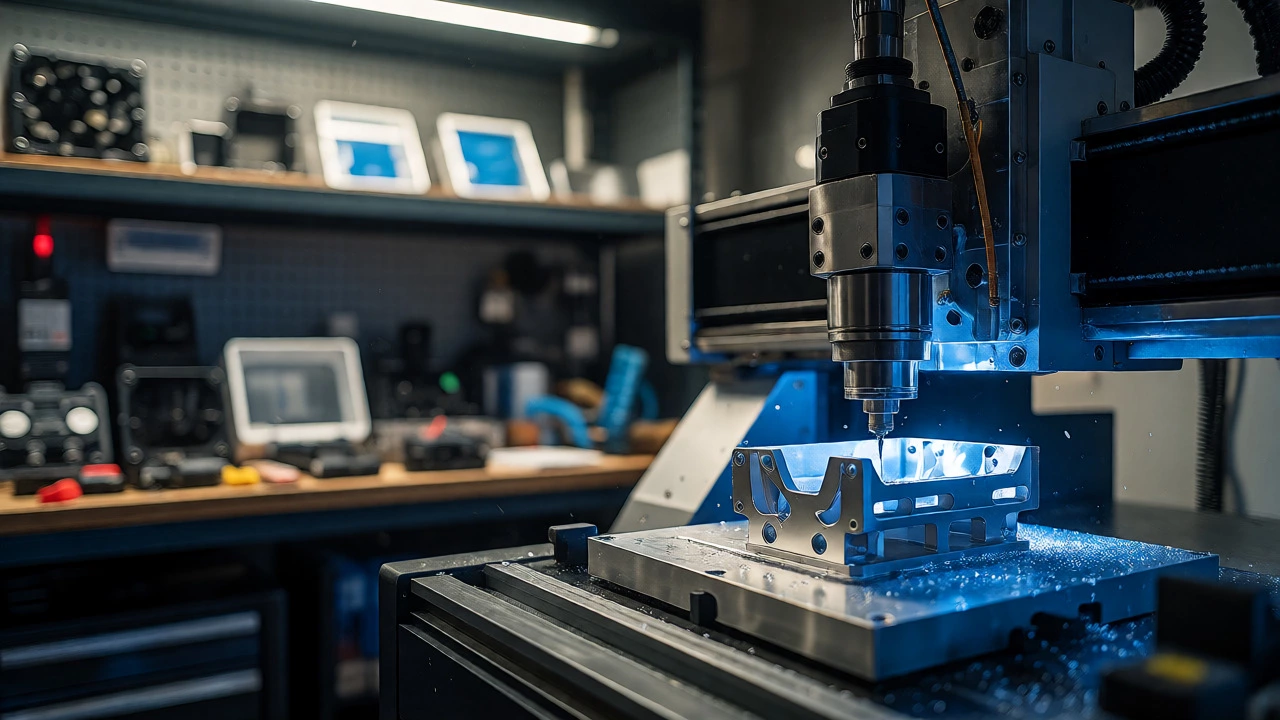
Aluminum casting and CNC machining are perfect fits here. EVs prioritize weight reduction. Every gram saved extends range. This means complex geometries that traditional stamping can’t handle easily. Five-axis CNC machines allow small shops to create intricate aluminum brackets that reduce vehicle weight while maintaining strength. Local automotive clusters often prefer nearby suppliers to cut logistics costs and carbon footprints.
If you have access to skilled machinists, this is a lucrative niche. The specs are tight, tolerances are narrow, but the pay reflects that expertise. Plus, as EV adoption hits mainstream levels in 2026, the aftermarket for replacement parts is starting to kick in. Brake pads, suspension bushings, and interior trim pieces all need manufacturing.
Craft Beverage and Food Processing Equipment
People love their craft beer, artisanal kombucha, and specialty coffees. But behind every trendy cafe is a machine. And when those machines break or need upgrading, they need parts. Small manufacturers who produce stainless steel fittings, valves, pumps, and custom brewing vessels find a loyal customer base.
This industry thrives on customization. A brewery in Manchester might need a specific valve configuration that doesn’t exist off-the-shelf. A small fabrication shop can weld that assembly in a day. It’s high-touch service combined with metalworking skills. The barrier to entry is knowledge-understanding food safety standards (like FDA or EFSA compliance) and metallurgy-but the competition is less saturated than general consumer goods.
Another angle is packaging machinery for small producers. Many micro-distilleries or jam makers can’t afford industrial bottling lines. Compact, semi-automatic fillers and labelers manufactured by smaller engineering firms sell well. These businesses value flexibility over raw speed, which aligns perfectly with small-scale production capabilities.
How to Choose Your Niche
Picking the right industry isn’t just about picking the one with the biggest numbers. It’s about matching your current assets with market gaps. Ask yourself these questions:
- What equipment do I already own? If you have injection molding, look at electronics or medical. If you have CNC, look at EV or aerospace.
- Where is my logistics advantage? Are you near a cluster of breweries? Serve them. Near tech hubs? Serve startups needing prototypes.
- Can I meet regulatory standards? Healthcare and food require certifications. Can you handle the paperwork?
Don’t chase every trend. Pick one lane and dominate it locally before trying to go national. Speed and reliability beat size in today’s fragmented market.
Frequently Asked Questions
Is small scale manufacturing still profitable in 2026?
Yes, provided you focus on high-value niches rather than commodity goods. Global supply chain issues have increased the value of local, agile suppliers who can deliver quickly and customize products. Margins are healthier in sectors like medical devices, EV components, and custom electronics housing.
What is the easiest industry for beginners to enter?
Craft beverage equipment and sustainable packaging are relatively accessible. They require standard metalworking or molding skills and don’t always demand the extreme certifications needed for healthcare. However, understanding local regulations for food contact materials is still essential.
Do I need expensive machinery to compete?
Not necessarily. Modern CNC machines and 3D printers have lowered the barrier to entry significantly. Many successful small manufacturers start with versatile equipment that can handle multiple materials and part types, allowing them to serve diverse clients without massive upfront capital.
How important is sustainability in manufacturing now?
It is critical. Buyers increasingly prefer suppliers who use recycled materials or energy-efficient processes. For small manufacturers, highlighting your green credentials can be a major differentiator against larger, slower-moving competitors who may rely on older, dirtier methods.
Which region offers the best opportunities for small manufacturers?
Areas with strong industrial clusters offer the best opportunities. In the UK, the Midlands and North West have dense networks of automotive and aerospace suppliers. Proximity to customers reduces shipping costs and allows for faster communication, which is a huge advantage for small firms.