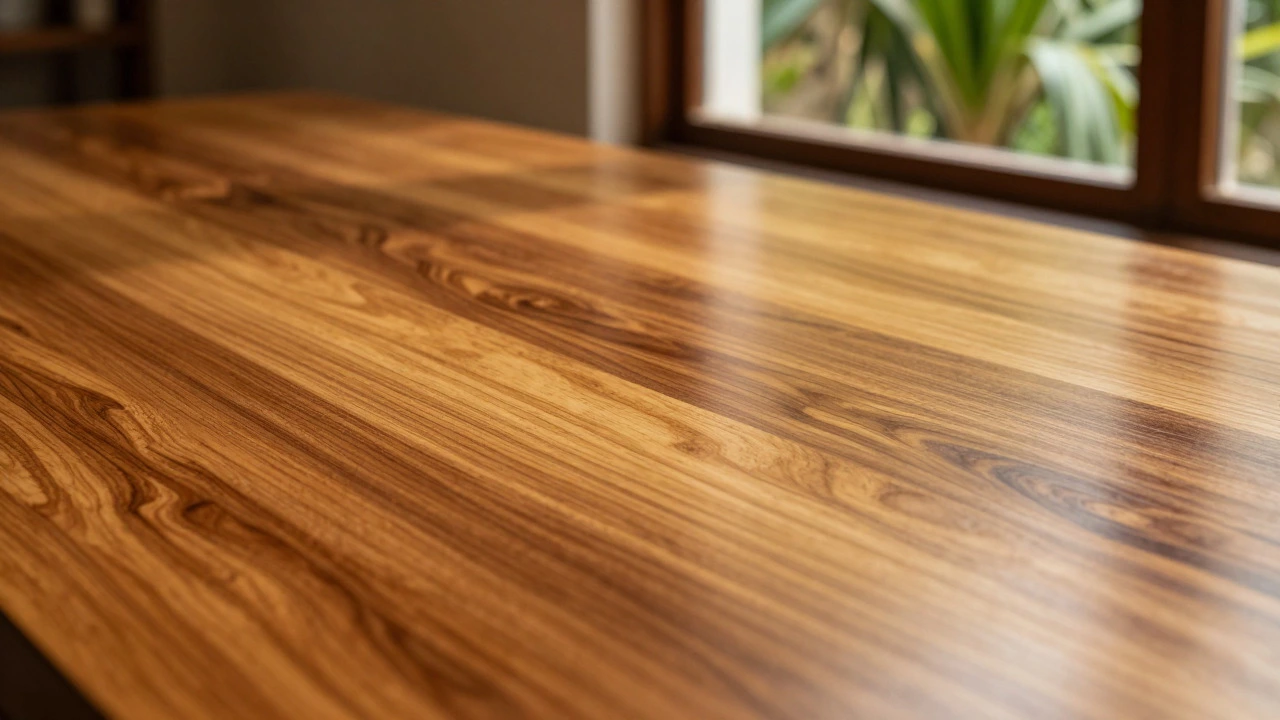
Find the Perfect Wood for Your Furniture
Select the wood type that matches your needs to see a detailed analysis.
Teak
The Gold Standard
High CostSheesham
Best Value
Medium-High CostHard Maple
Modern & Durable
Medium CostMango Wood
Eco-Friendly
Low-Medium CostPine
Soft & Paintable
Low CostEngineered (MDF)
Budget Modular
Lowest CostClick a wood type above to view its suitability, pros, and cons.
Wood Name
Description
Pros
Cons
Choosing the right wood for furniture in India is less about picking a pretty grain pattern and more about surviving humidity, termites, and daily wear. If you are buying a sofa set or building a wardrobe, the material dictates how long it lasts and whether it warps when the monsoon hits. In the Indian market, where climate varies from dry deserts to humid coasts, not all timber performs equally. Understanding the specific properties of local hardwoods helps you avoid costly mistakes and ensures your investment stands the test of time.
Key Takeaways
- Teak (Salai) remains the gold standard for durability and moisture resistance, ideal for outdoor use and heirloom pieces.
- Sheesham (Indian Rosewood) offers the best balance of strength, aesthetics, and affordability for indoor furniture.
- Hard Maple is preferred for modern, minimalist designs due to its light color and fine grain.
- Avoid softwoods like Pine for heavy-use items; they dent easily and lack structural integrity for large tables or beds.
- Always verify sustainability certifications like FSC to support ethical forestry practices in India.
The Gold Standard: Teak Wood
When discussing premium furniture in India, Teak is almost always the first name that comes up. Scientifically known as Tectona grandis, this wood contains natural oils and rubber that make it incredibly resistant to water, insects, and fungal decay. This makes it the undisputed king for outdoor furniture, garden sets, and high-end indoor pieces that need to withstand harsh conditions.
If you live in coastal areas like Mumbai or Chennai, where salt air and high humidity can rot lesser woods, Teak is practically essential. The oil content prevents the wood from drying out and cracking during dry spells. However, there is a catch: genuine plantation Teak is expensive. Prices have surged in recent years due to stricter logging regulations. When shopping, look for 'Grade A' Teak, which has minimal heartwood defects. Be wary of sellers passing off cheaper alternatives like African Mahogany as Teak. Real Teak has a golden-brown hue that darkens with age, developing a beautiful silver-gray patina if left untreated outdoors.
The Smart Alternative: Sheesham (Indian Rosewood)
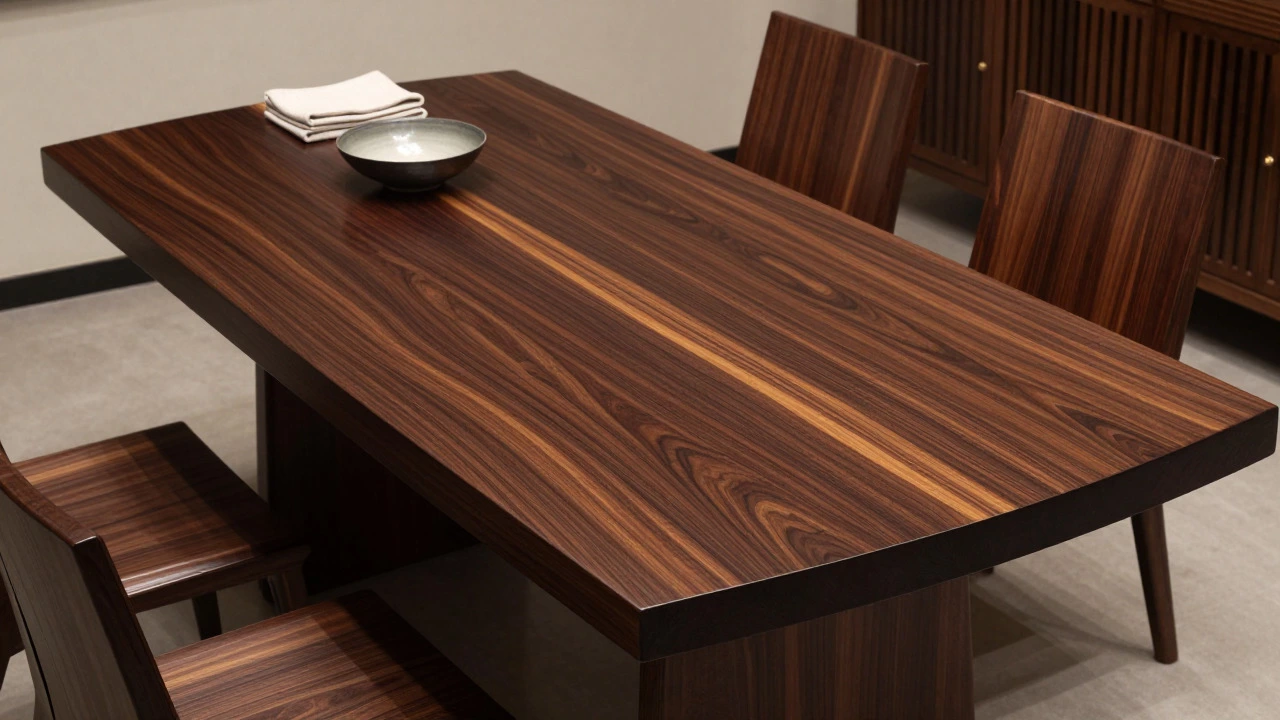
If Teak is the luxury sedan, Sheesham is the reliable SUV. Also known as Indian Rosewood or Dalbergia latifolia, Sheesham is widely considered the best value-for-money hardwood in India. It is dense, strong, and has a striking dark brown color with contrasting lighter streaks. Unlike Teak, Sheesham does not contain high levels of natural oils, so it requires proper finishing to protect against moisture. Despite this, it is highly resistant to termites and white ants, making it a favorite for bedroom sets, dining tables, and wardrobes.
For manufacturers and buyers alike, Sheesham strikes a perfect balance. It is significantly cheaper than Teak but far more durable than softwoods. Its interlocking grain structure means it can be polished to a high shine, giving it a premium look that rivals more expensive woods. In the current market, Sheesham is often used in modular kitchens and living room units because it holds screws and joints well, ensuring stability over decades of use.
Modern Choices: Hard Maple and Mango Wood
As interior design trends shift towards lighter, Scandinavian-inspired aesthetics, Hard Maple has gained popularity. Native to North America but widely imported into India, Maple is a very hard, fine-grained wood with a pale cream color. It takes stains beautifully, allowing designers to achieve various looks without altering the wood’s natural character. Because it is so hard, it resists dents and scratches better than many other domestic woods, making it excellent for kitchen cabinets and children’s furniture. However, it can be challenging to work with due to its density, which may increase manufacturing costs.
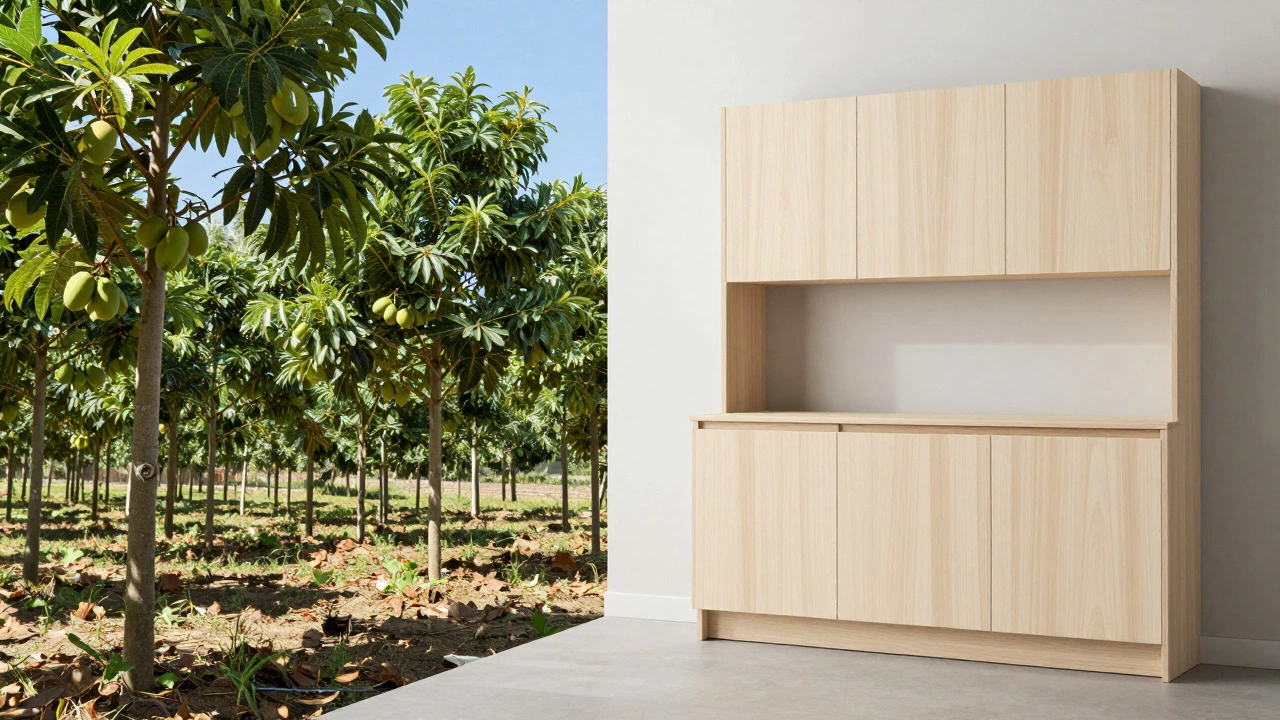
On the other end of the spectrum is Mango Wood. Once considered a byproduct of fruit farming, Mango wood is now a celebrated sustainable option. It is fast-growing and abundant, which keeps prices low. The wood features a unique, swirling grain pattern with shades of amber and brown. While not as dense as Teak or Sheesham, it is sturdy enough for most indoor furniture. Its main advantage is eco-friendliness; using Mango wood reduces waste from orchards. Just note that it can be prone to splitting if not properly seasoned, so buy from reputable suppliers who ensure adequate drying processes.
Softwoods and Engineered Woods: When to Use Them
Not every piece of furniture needs solid hardwood. Pine is a popular softwood in India, prized for its light color and affordability. It is easy to carve and paint, making it ideal for rustic decor, bookshelves, and occasional chairs. However, Pine is soft and dents easily. Avoid using it for dining tables or bed frames that bear significant weight. If you love the look of Pine but need durability, consider treating it with multiple coats of polyurethane to harden the surface.
Engineered woods like MDF (Medium Density Fiberboard) and Plywood dominate the budget and modular furniture sector. MDF is made from compressed wood fibers and resin, offering a smooth surface perfect for painted finishes. It is cheap and uniform but hates water; even minor spills can cause swelling. Plywood, composed of thin wood veneers glued together, is stronger and more moisture-resistant than MDF. High-grade marine plywood is an excellent choice for bathroom vanities or kitchen cabinets in humid climates. For everyday use, engineered woods offer consistency and cost savings, but they rarely last as long as solid wood and are harder to repair.
Sustainability and Ethical Sourcing
In 2026, buying furniture isn't just about price and durability; it's about environmental impact. Illegal logging and deforestation remain concerns in India. To ensure you are supporting sustainable practices, look for FSC Certification (Forest Stewardship Council). This label guarantees that the wood comes from responsibly managed forests that provide environmental, social, and economic benefits. Many Indian manufacturers now prioritize plantation-grown Teak and Sheesham over wild-harvested timber. Plantation wood grows faster and reduces pressure on natural forests. Ask your supplier for proof of origin. Transparent brands will gladly share details about their sourcing chain, while shady operators often dodge these questions.
Comparison Table: Common Indian Woods
| Wood Type | Durability | Moisture Resistance | Price Range | Best Use Case |
|---|---|---|---|---|
| Teak | Very High | Excellent | High | Outdoor, Heirlooms |
| Sheesham | High | Good | Medium-High | Dining Tables, Beds |
| Hard Maple | High | Moderate | Medium | Kitchen Cabinets, Modern Decor |
| Mango Wood | Moderate | Moderate | Low-Medium | Budget Indoor Furniture |
| Pine | Low | Poor | Low | Shelves, Painted Items |
| MDF/Plywood | Varies | Poor (MDF)/Good (Ply) | Low | Modular Kitchens, Budget Sets |
How to Spot Quality Wood
Even the best wood can fail if poorly processed. Here is what to check before buying:
- Smell Test: Genuine Teak has a distinct, earthy aroma. If it smells chemical or faint, it might be treated or fake.
- Weight Check: Hardwoods like Sheesham and Teak are heavy. If a table feels surprisingly light, it might be hollow or made of inferior wood.
- Grain Consistency: Look for tight, uniform grains. Wide gaps or cracks indicate poor drying or low-quality timber.
- Finish Quality: Run your hand over the surface. It should feel smooth, not rough or sticky. Poor finishing leads to dust accumulation and faster wear.
- Joint Construction: Examine corners and connections. Dovetail joints or mortise-and-tenon structures are signs of quality craftsmanship, whereas nails and glue alone suggest lower durability.
FAQ
Is Teak wood worth the high price?
Yes, if you plan to keep the furniture for decades or use it outdoors. Teak's natural oils prevent rot and insect damage, reducing maintenance costs. For indoor use in dry climates, Sheesham offers similar longevity at a lower cost.
Which wood is best for kitchen cabinets in India?
Marine-grade plywood with a laminated finish is the most practical choice due to its moisture resistance. Solid wood like Teak or Sheesham can also work but requires regular sealing to handle steam and spills common in Indian kitchens.
How do I maintain wooden furniture during monsoons?
Keep furniture away from direct walls to allow airflow. Use silica gel packets in closed cabinets to absorb excess moisture. Apply a fresh coat of wax or oil annually to reinforce the protective barrier against humidity.
Is Mango wood safe for home use?
Yes, Mango wood is non-toxic and safe. Ensure the finish used is water-based or certified non-toxic, especially for children's furniture. It is a sustainable alternative that supports local farmers.
Can I repair scratched Sheesham furniture?
Minor scratches can be buffed out with fine steel wool and wood polish. Deeper gouges may require sanding and re-staining. Because Sheesham is dense, it holds up well to refinishing compared to softer woods.