Tata Motors Global Presence Explorer
Select a region below to see which Tata entities are active there. Note the difference between "Tata Branded" (mass market) and "JLR Owned" (luxury).
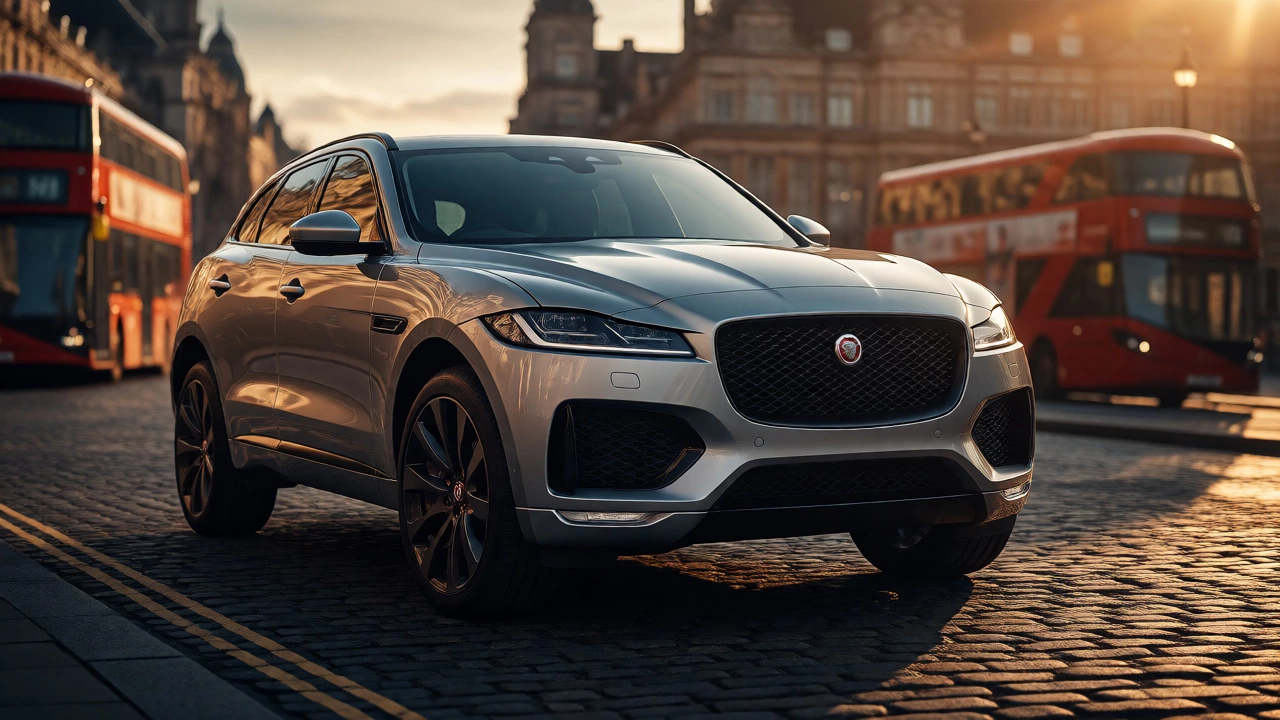
You might think you’ve never seen a Tata car on the street unless you live in Mumbai or Delhi. But here’s the twist: if you drive a Jaguar F-Pace or a Land Rover Defender in London, you’re driving a vehicle owned by an Indian company. The answer to "Are Tata cars sold outside India?" is a resounding yes, but with a massive caveat that confuses most people.
Tata Motors is one of the largest automobile manufacturers in the world and a subsidiary of the Tata Group, headquartered in Mumbai. While its own branded vehicles have limited presence abroad compared to domestic sales, its ownership of luxury giants like Jaguar Land Rover (JLR) gives it a colossal footprint in Europe and North America. This article breaks down exactly where you can buy a car with the Tata badge versus where you are buying into the broader Tata empire.
The Short Answer: Yes, But It’s Complicated
If you walk into a dealership in the UK or Germany today and ask for a "Tata," they might look at you funny. You won’t find a showroom full of Tata Punches or Altroz models sitting next to a Volkswagen Golf. However, Tata Motors is undeniably present globally through two distinct channels:
- Luxury Brands: Through its acquisition of Jaguar Land Rover in 2008, Tata owns some of the most prestigious car brands in history.
- Niche Exports: Specific models like the Tata Nexon EV and commercial trucks are exported to select markets in Africa, Latin America, and parts of Asia.
So, while you won’t see a Tata Tiago cruising down Fifth Avenue, the money behind your Range Rover flows back to India. Let’s unpack how this works.
Jaguar Land Rover: The Crown Jewel of Tata’s Global Strategy
The biggest reason Tata Motors has a global reputation isn’t because Indians bought British cars; it’s because Tata saved them. In 2008, during the global financial crisis, Ford sold Jaguar and Land Rover to Tata for $2.3 billion. At the time, many analysts predicted disaster. Instead, Tata injected capital, retained local engineering teams, and allowed the brands to keep their British heritage.
This strategy was brilliant. By keeping JLR separate from the mass-market "Tata" brand, they avoided diluting the luxury image. Today, JLR accounts for the majority of Tata Motors’ revenue and profit. When you buy a Land Rover, which is a type of premium SUV manufactured under Tata Motors, you are effectively supporting an Indian-owned enterprise.
| Brand | Target Market | Primary Regions | Price Segment |
|---|---|---|---|
| Jaguar | Luxury Performance | UK, USA, China, Middle East | Premium ($60k+) |
| Land Rover | Luxury Off-Road/SUV | Global (Strong in US/Europe) | Premium ($50k+) |
| Tata Passenger | Affordable Family Cars | India, Select Emerging Markets | Budget/Mid-Range ($10k-$20k) |
| Tata Commercial | Trucks & Buses | Africa, SE Asia, CIS Countries | Commercial Fleet |

Where Are Actual Tata-Branded Cars Sold?
While JLR dominates the headlines, Tata does sell vehicles under its own name tag internationally. These aren’t usually found in Western Europe or North America due to strict safety and emission regulations (like Euro 7 or EPA standards) that make exporting budget-friendly Indian cars difficult without costly modifications.
Instead, Tata focuses on emerging economies where affordability is king. Here are the key regions:
Africa
Tata has a strong foothold here, particularly in South Africa, Nigeria, and Kenya. Their commercial vehicles dominate logistics sectors, but passenger models like the Tata Indica Vista (in earlier years) and newer compact SUVs have found buyers looking for value-for-money transport. In countries like Ghana and Tanzania, Tata buses and trucks are ubiquitous.
Latin America
Mexico and Brazil represent significant export markets. Tata has partnered with local distributors to sell small commercial vehicles and compact cars. The Tata Ace, often called the "Chota Hathi" (Little Elephant) in India, has been adapted for these markets as a light-duty cargo carrier.
Southeast Asia and CIS
Countries like Thailand, Indonesia, and members of the Commonwealth of Independent States (CIS) import Tata vehicles. The ruggedness of Tata’s engineering appeals to regions with challenging road conditions. For instance, in Nepal and Bangladesh, Tata cars are common sights due to geographical proximity and trade agreements.
The Electric Pivot: Tata’s Next Global Play
Historically, Tata struggled to compete with Japanese and Korean brands in developed markets. But the shift to electric vehicles (EVs) changes the game. Tata Motors has become a leader in affordable EVs in India, selling more electric cars than any other manufacturer domestically.
Now, they are eyeing global expansion with EVs. Why? Because EVs simplify manufacturing. There are fewer moving parts, and compliance with global emissions standards is easier when you don’t have complex internal combustion engines to certify.
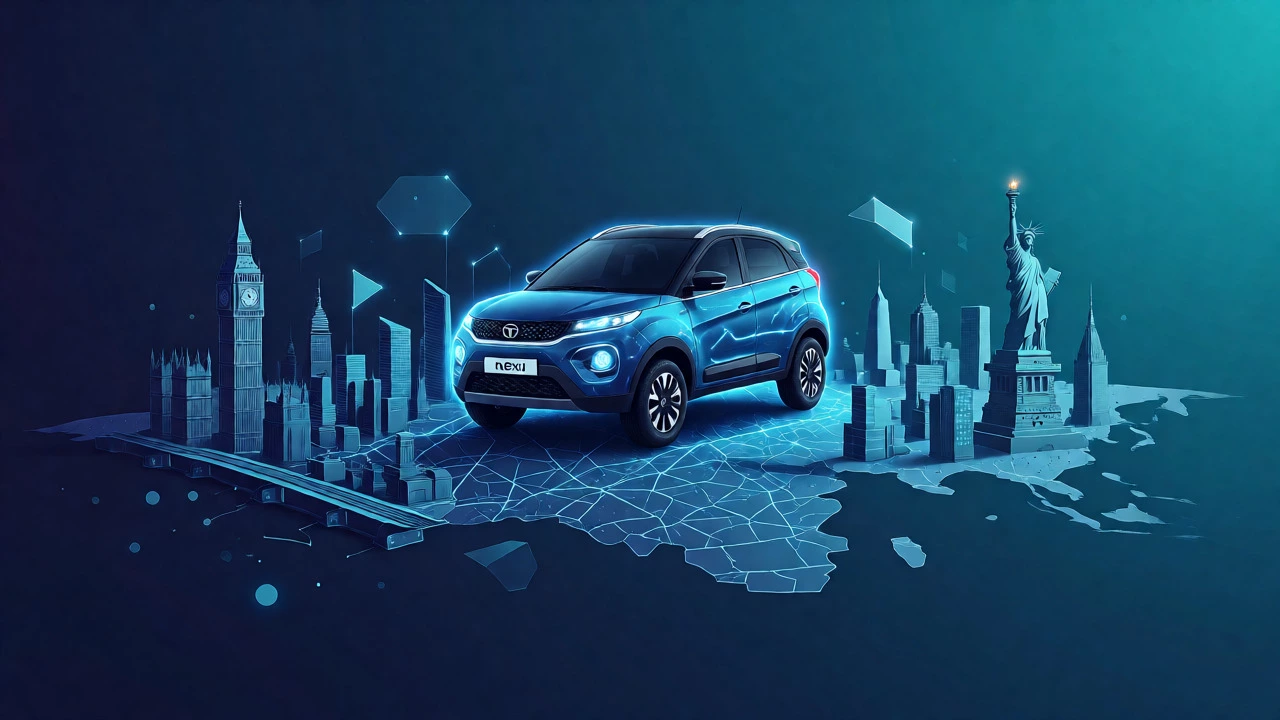
The Tata Nexon EV is the flagship model for this push. It offers a range of over 400 km and competitive pricing. Tata has announced plans to enter markets like South Africa, Mexico, and potentially even parts of Europe with specific EV models tailored to local regulations. Unlike the diesel-powered cars of the past, these EVs meet modern environmental standards right out of the box.
Why You Don’t See Tata Cars in the US or UK
If Tata is so big, why isn’t there a Tata dealership in Manchester or Chicago? Two main reasons:
- Regulatory Barriers: The US National Highway Traffic Safety Administration (NHTSA) and European Union safety standards are incredibly strict. Crumple zones, airbag configurations, and pedestrian protection laws differ significantly from Indian standards. Re-engineering a $15,000 car to meet US crash tests can double its cost, making it uncompetitive against Toyota or Hyundai.
- Brand Perception: In Western markets, "Indian-made" still carries a stigma of lower quality among average consumers, despite JLR proving otherwise. Tata has strategically chosen not to fight this battle head-on with its mass-market brand. They let JLR carry the prestige flag, while Tata-brand cars focus on price-sensitive markets.
However, this could change. With the rise of Chinese EV makers like BYD entering Europe, the door is opening for non-traditional players. If Tata can prove reliability and service networks, a Tata-branded EV in London isn’t impossible within the next decade.
Key Takeaways for Buyers and Investors
Understanding Tata’s global structure helps you make smarter decisions, whether you’re buying a car or investing in stocks.
- For Car Buyers: If you want a car with Indian roots but global prestige, buy a Jaguar or Land Rover. If you need a cheap, reliable workhorse in Africa or Asia, a Tata commercial vehicle or compact SUV is a solid choice.
- For Industry Watchers: Keep an eye on Tata’s EV exports. The success of the Nexon EV in non-Western markets will signal whether Tata can transition from a regional player to a global automotive force.
- For Travelers: Next time you see a Tata truck in Nairobi or a Jaguar in New York, remember they share the same parent company. It’s a unique example of globalization working across economic divides.
Does Tata Motors own Jaguar and Land Rover?
Yes, Tata Motors acquired Jaguar Land Rover from Ford Motor Company in 2008 for approximately $2.3 billion. Since then, JLR has operated as a wholly-owned subsidiary of Tata Motors, maintaining its headquarters in the UK while reporting to India.
Can I buy a Tata Nexon in Europe?
As of late 2026, the Tata Nexon is not widely available for direct consumer purchase in major European markets like Germany or France. Tata is focusing its European efforts on JLR brands. However, pilot programs and niche imports exist in smaller markets, and future EV-specific models may change this landscape.
Which countries buy the most Tata cars?
The largest export markets for Tata-branded vehicles are in Africa (particularly South Africa and Nigeria), Latin America (Mexico and Brazil), and Southeast Asia. These regions value the durability and low maintenance costs of Tata’s commercial and compact passenger vehicles.
Is Tata Motors bigger than Maruti Suzuki?
In terms of domestic market share in India, Maruti Suzuki is larger. However, in terms of global revenue and total vehicle volume including commercial vehicles and JLR sales, Tata Motors is a much larger global entity. JLR alone contributes significantly more to Tata's global turnover than Maruti does to its parent company, Suzuki Motor Corporation's, Indian operations.
Why doesn't Tata sell cars in the USA?
Tata does not sell its mass-market passenger cars in the USA primarily due to high regulatory compliance costs for safety and emissions, which would erase the price advantage of their budget models. Additionally, the US market is highly competitive, dominated by established Japanese, Korean, and American brands. Tata prefers to leverage its ownership of JLR to access the US luxury market instead.