Electronics Manufacturing Location Finder
Select your primary product category to find the ideal state ecosystem:
Mobile & Consumer
Smartphones, Tablets, Wearables
R&D & IoT
Semiconductors, Auto Electronics, Sensors
Mass Assembly
High-volume goods for Northern Market
Industrial & Solar
Inverters, Heavy Components, Renewables
Logistics & Infrastructure Profile
You want to set up an electronics manufacturing unit in India. You have the capital, you have the supply chain contacts, and you are ready to move. But where do you put your factory? This is not a simple question with a single answer. The "best" state depends entirely on what kind of electronics you plan to build. Are you making smartphones, solar panels, or heavy industrial components? Your product dictates your location.
In 2026, the Indian electronics landscape has shifted dramatically. It is no longer just about cheap labor. It is about ecosystem density, logistics speed, and the specific incentives offered under the Production Linked Incentive (PLI) schemes. Some states offer better power stability. Others provide superior access to global shipping routes. Getting this wrong can cost you millions in hidden operational expenses.
Is Tamil Nadu still the top choice for electronics?
Yes, for mobile phones and consumer electronics, Tamil Nadu remains the leader due to its established supplier base and port connectivity.
The Mobile Phone Hub: Why Tamil Nadu Dominates
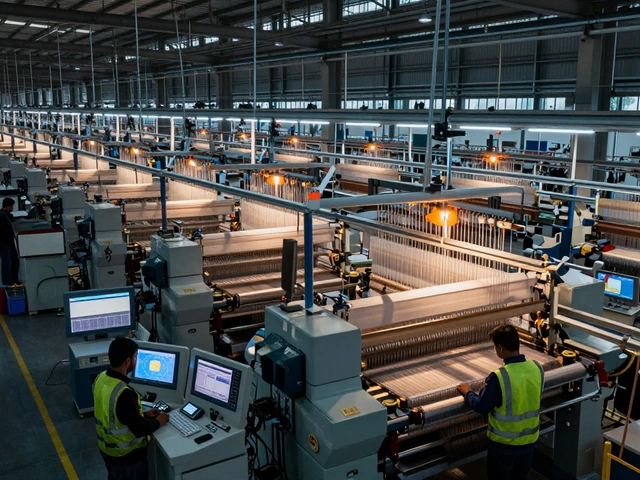
If you are building smartphones, tablets, or wearables, Tamil Nadu is the undisputed capital of mobile manufacturing in India. Chennai and its surrounding districts like Sriperumbudur and Walajapet have become the "Silicon Valley of Hardware." This is not an accident. It is the result of two decades of strategic planning by the state government and massive investments from global giants like Samsung and Foxconn.
The key advantage here is cluster density. When you locate in Tamil Nadu, you are surrounded by hundreds of component suppliers. You need a camera module? There is a vendor twenty kilometers away. You need precision screws? Another vendor is nearby. This reduces lead times from weeks to hours. For high-volume, low-margin products like phones, this speed is critical.
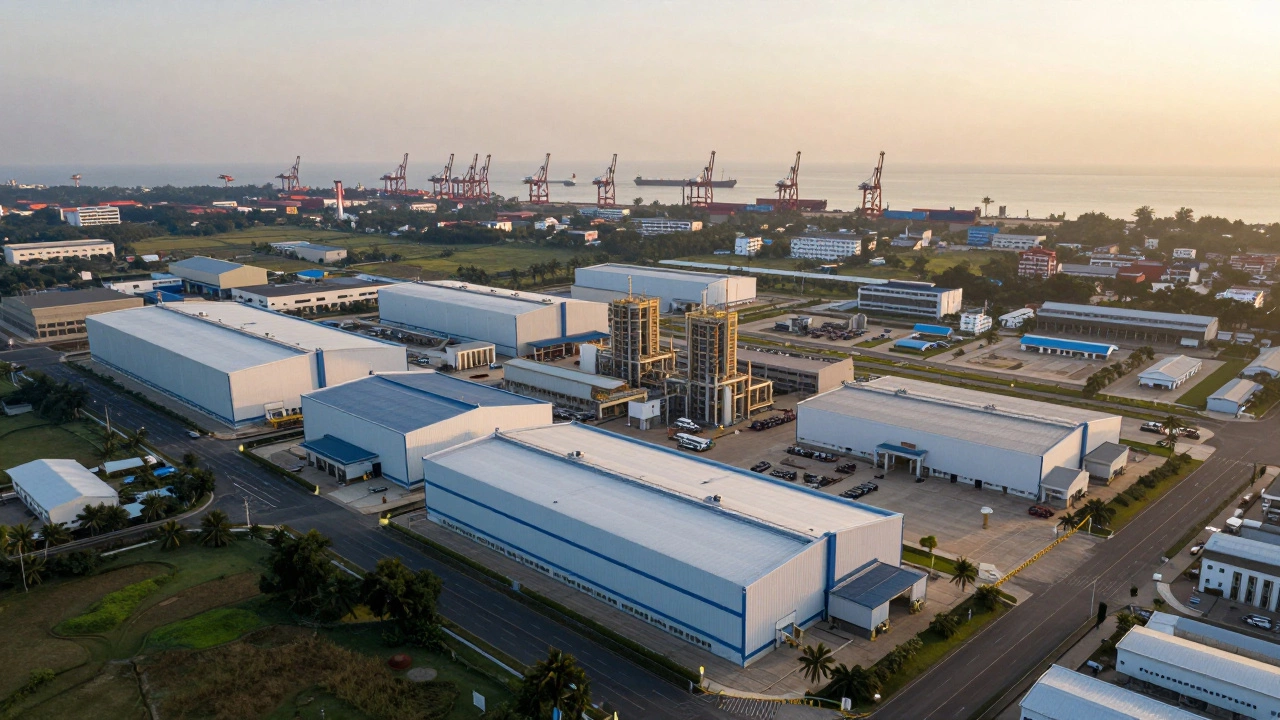
Logistics also favor this region. Chennai Port and Ennore Port handle a significant portion of India's export traffic. If you are exporting finished goods, getting them onto a ship is faster and cheaper here than in landlocked states. The state government also offers robust subsidies under the Tamil Nadu Industrial Infrastructure Development Corporation (TINDIA), which provides plug-and-play facilities that reduce setup time significantly.
- Best for: Smartphones, laptops, wearable devices.
- Key Advantage: Proximity to ports and dense supplier network.
- Power Supply: Generally stable, but check local grid reliability in industrial zones.
The Tech-Integrated Powerhouse: Karnataka’s Ecosystem
Karnataka, particularly the Bengaluru region, is India’s technology and innovation hub, ideal for R&D-heavy electronics. While Tamil Nadu wins on assembly scale, Karnataka wins on intellectual property and complex engineering. If your business model involves designing the electronics as well as manufacturing them, Bengaluru is hard to beat.
The talent pool here is unmatched. You will find engineers who understand both hardware design and software integration. This is crucial for the next generation of electronics: smart home devices, IoT sensors, and automotive electronics. Companies like Bosch and Texas Instruments have deep roots here because they need skilled professionals, not just assembly line workers.
However, there are trade-offs. Land costs in Bengaluru are among the highest in India. Labor costs are also higher due to the competitive job market. Furthermore, while Bengaluru has an airport, it lacks the direct sea access of Chennai. If you rely heavily on importing raw materials via sea, the inland transport costs will eat into your margins. The Karnataka Electronics Policy offers good incentives, but you must weigh them against the higher operational overheads.
- Best for: Semiconductor design, IoT devices, automotive electronics, R&D centers.
- Key Advantage: Access to top-tier engineering talent and tech ecosystem.
- Challenge: High real estate and labor costs.
The Emerging Contender: Uttar Pradesh’s Strategic Push
Do not overlook Uttar Pradesh, specifically the Noida-Greater Noida corridor, which is rapidly becoming a major hub for electronics manufacturing due to central government proximity and incentives. Over the last five years, UP has aggressively courted electronics manufacturers. The state offers some of the most attractive tax holidays and stamp duty exemptions in the country.
The primary draw is proximity to Delhi-NCR. This gives you access to the national capital’s financial institutions, regulatory bodies, and a vast domestic market. If your target customers are within Northern India, being in UP reduces distribution costs significantly. Major players like Apple’s supply chain partners have expanded operations here, signaling confidence in the region’s infrastructure.
Infrastructure has improved dramatically. Dedicated freight corridors and new highways have reduced transit times. However, bureaucratic hurdles can still be slower compared to southern states. You need a strong local team to navigate permits and compliance. Also, power consistency can vary, so investing in backup generators is often necessary.
- Best for: Consumer electronics targeting the northern market, large-scale assembly plants.
- Key Advantage: Aggressive state incentives and proximity to the national capital.
- Risk: Bureaucratic delays and variable power quality.
Specialized Hubs: Andhra Pradesh and Gujarat
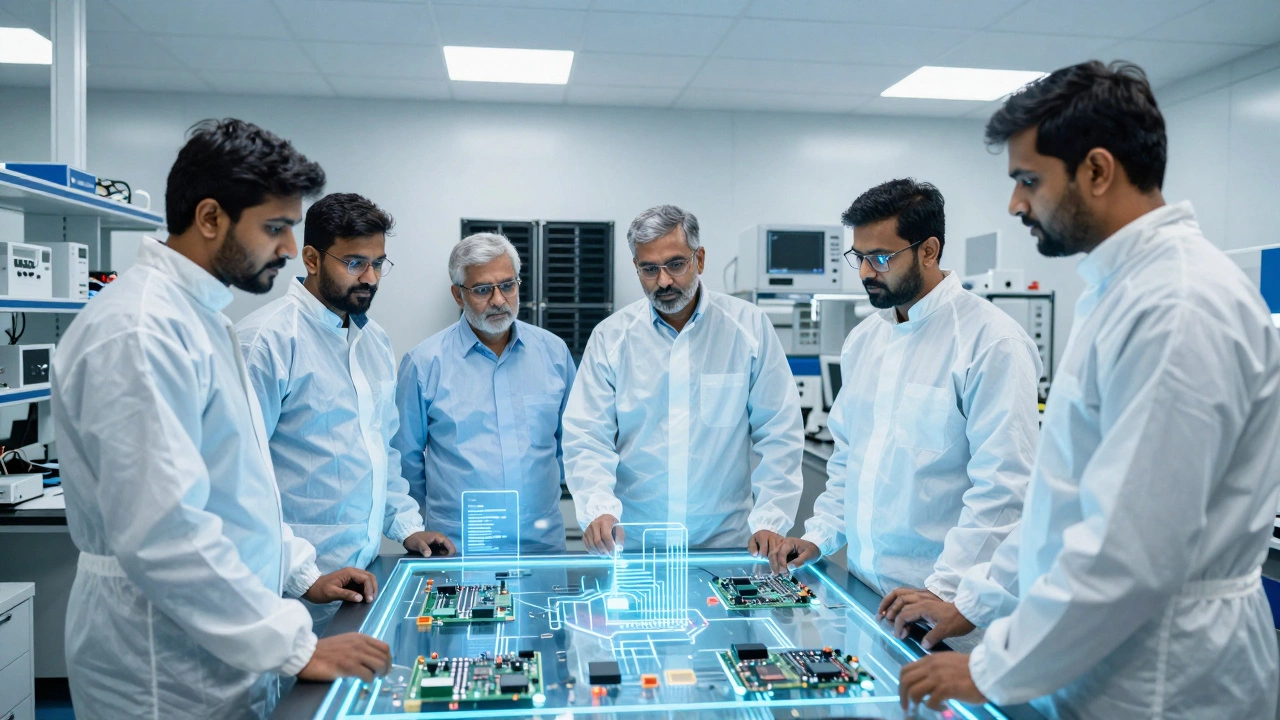
Sometimes, the general hubs are not the right fit. That is where specialized states come in. Andhra Pradesh is emerging as a key player in semiconductor and display manufacturing. The state has invested heavily in creating dedicated parks for semiconductors. If you are looking to get into chip fabrication or advanced packaging, Visakhapatnam and Vizianagaram offer world-class facilities and substantial central and state grants.
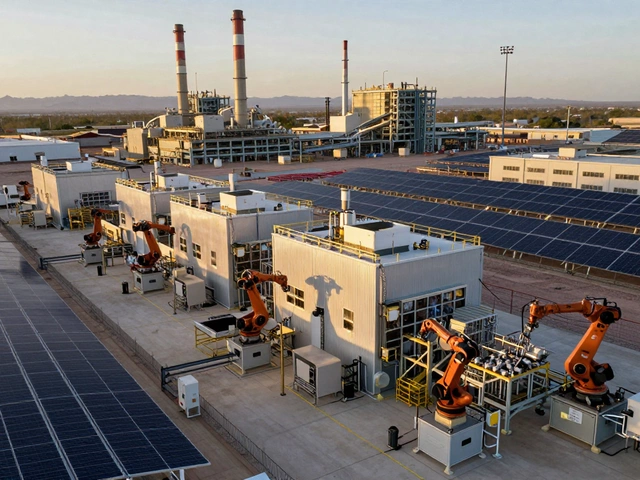
Gujarat, on the other hand, is ideal for industrial electronics and renewable energy components. With its strong chemical and petrochemical industries, Gujarat has a mature ecosystem for manufacturing electronic components used in heavy industry. Solar panel manufacturing is also booming here due to the state’s focus on renewable energy. If you are making inverters, solar controllers, or industrial automation equipment, Gujarat’s industrial culture and reliable power grid make it a top choice.
| State | Primary Strength | Best Product Type | Logistics Access | Incentive Level |
|---|---|---|---|---|
| Tamil Nadu | Supplier Cluster Density | Smartphones, Laptops | Excellent (Sea Ports) | High |
| Karnataka | Talent & R&D | IoT, Auto Electronics | Good (Air/Rail) | Medium-High |
| Uttar Pradesh | Market Proximity | Consumer Electronics | Good (Road/Rail) | Very High |
| Andhra Pradesh | Semiconductor Focus | Chips, Displays | Good (Port) | High |
| Gujarat | Industrial Ecosystem | Solar, Industrial Elec. | Excellent (Ports) | High |
Navigating the PLI Scheme Landscape
No discussion about electronics manufacturing in India is complete without mentioning the Production Linked Incentive (PLI) scheme. This central government program provides cash incentives based on the value of incremental sales. However, the application process is rigorous. You must meet specific investment thresholds and production targets.
The PLI scheme is not uniform across all states. While the central government sets the baseline, states often add their own layers of support. For example, if you qualify for PLI in Tamil Nadu, you might also get additional land subsidies from the state. In contrast, some states may have stricter environmental regulations that could delay your PLI approval. Always consult with legal experts who specialize in industrial policy before committing to a location.
Remember, the PLI scheme favors scale. Small workshops may find it difficult to qualify. If you are a small-to-medium enterprise (SME), look for states with dedicated SME clusters. These clusters often provide shared infrastructure, such as testing labs and waste treatment plants, which can lower your entry barrier.
Hidden Costs and Operational Realities
Before signing any lease, consider the hidden costs. Labor laws vary by state. Some states have more flexible hiring and firing regulations, while others are more protective of workers. This affects your ability to scale up or down quickly during demand fluctuations.
Water availability is another critical factor. Electronics manufacturing, especially semiconductor fabrication, requires vast amounts of purified water. States facing water scarcity may impose restrictions or charge higher rates. Check the water security of your proposed site thoroughly.
Finally, consider the quality of life for your employees. Skilled engineers and managers will not relocate to areas with poor healthcare, education, or housing options. States with better urban infrastructure will find it easier to attract and retain top talent. This is a long-term strategic advantage that cannot be ignored.
How to Decide: A Practical Checklist
Use this checklist to narrow down your options:
- Define Your Product: Are you making high-volume consumer goods or low-volume high-tech components?
- Map Your Supply Chain: Where are your key suppliers located? Proximity reduces costs.
- Assess Logistics Needs: Do you need sea freight for exports? Or is road/rail sufficient for domestic sales?
- Evaluate Talent Requirements: Do you need mass labor or specialized engineers?
- Calculate Total Cost of Ownership: Include land, labor, power, taxes, and logistics. Don’t just look at upfront subsidies.
- Visit the Sites: Talk to existing manufacturers in the industrial parks. Ask about their pain points.
There is no single "best" state. There is only the best state for your specific business model. Do your homework, visit the locations, and build relationships with local industrial departments. The right location can be the difference between thriving and struggling in the competitive Indian electronics market.
What are the main benefits of the PLI scheme for electronics?
The PLI scheme provides financial incentives on incremental sales over a base year, encouraging domestic manufacturing and export growth. It helps offset initial setup costs and improves ROI for large-scale investors.
Is it better to start in a tier-1 city or a tier-2 industrial park?
Tier-1 cities offer better talent and infrastructure but higher costs. Tier-2 parks often provide better subsidies and lower land costs. Choose based on whether your priority is access to skilled labor or minimizing capital expenditure.
How important is port access for electronics manufacturing?
Crucial for exporters. If you import components and export finished goods, being near a major port like Chennai or Mundra can save significant time and money in logistics. For domestic-only sales, rail and road connectivity are more important.
Which state has the most stable power supply for factories?
Gujarat and Maharashtra generally have the most reliable industrial power grids. However, even in these states, investing in backup power solutions is recommended to avoid production downtime during peak load periods.
Can small businesses benefit from state electronics policies?
Yes, many states have specific clusters and incentives for SMEs. These often include shared infrastructure, lower rent in industrial estates, and simplified compliance processes. Look for "SME-friendly" industrial parks in your target state.