Indian Furniture Sourcing Guide
Define Your Needs
Recommended Choice:
Key Benefits
Best Manufacturing Hubs
Ideal For:
India is not just a source of spices and textiles anymore. It has become a powerhouse for global furniture supply chains. If you are looking to import, the sheer variety can be overwhelming. From hand-carved teak masterpieces to mass-produced engineered wood units, Indian factories ship millions of dollars worth of goods every year. But what exactly moves across borders?
The answer lies in three main pillars: solid wood craftsmanship, flexible natural fibers like cane and rattan, and increasingly, modern modular designs. Understanding these categories helps buyers navigate the market without getting lost in generic catalogs.
Key Takeaways
- Solid Wood Furniture: Teak, Sheesham (Rosewood), and Mango wood dominate high-end exports, particularly to Europe and North America.
- Cane and Rattan: India is a global leader in sustainable, lightweight natural fiber furniture, favored by Scandinavian and Japanese markets.
- Home Decor & Accents: Beyond large pieces, carved wooden accessories, brass items, and stone tables form a massive chunk of export volume.
- Modular & Engineered Wood: A growing sector catering to budget-conscious international retailers needing flat-pack solutions.
- Key Hubs: Rajasthan (handicrafts), Kerala (teak), Tamil Nadu (export processing zones), and Maharashtra (modern manufacturing).
The Dominance of Solid Wood Exports
When people think of Indian furniture, they often picture heavy, ornate wooden pieces. This reputation is well-earned. India possesses vast reserves of durable hardwoods that are prized globally for their grain patterns, strength, and longevity. The most significant category in terms of value is solid wood furniture.
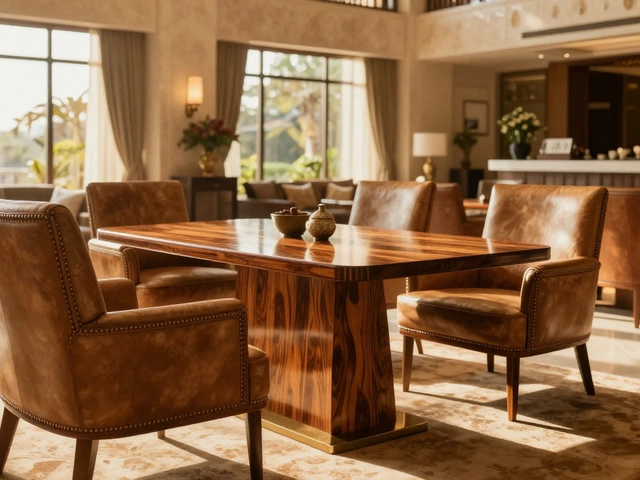
Teak Wood is the crown jewel of Indian timber exports. Known for its natural oils that resist water and insects, teak is ideal for outdoor patio sets, garden benches, and luxury indoor dining tables. States like Kerala and Karnataka are the primary sources. International buyers, especially in Germany and the UK, pay a premium for FSC-certified teak products because sustainability concerns have made sourcing difficult elsewhere.Another major player is Sheesham, also known as Indian Rosewood. Unlike African or Brazilian rosewoods which are heavily restricted by CITES regulations, Sheesham is legally abundant in India. It offers a rich, dark coloration and exceptional durability. You will find Sheesham used extensively in bed frames, wardrobes, and office desks exported to the United States and Canada. Its resistance to warping makes it a favorite among furniture assemblers who need reliable raw materials.
Mango wood is the rising star in this segment. Since mango trees are planted for fruit production, the wood is considered a byproduct, making it highly sustainable. Once the tree stops bearing fruit, it is harvested for furniture. This narrative appeals strongly to eco-conscious consumers in Australia and Northern Europe. Mango wood furniture tends to be lighter than teak but still robust, often featuring live-edge designs that highlight the natural shape of the slab.
Cane, Rattan, and Bamboo: The Natural Fiber Boom
If wood represents tradition, then cane and rattan represent India’s adaptation to modern global trends. Over the last five years, there has been a surge in demand for "biophilic design"-interiors that bring nature indoors. India is one of the few countries with a skilled labor force capable of weaving complex patterns using natural vines.
| Material | Primary Use | Target Markets | Key Advantage |
|---|---|---|---|
| Teak | Outdoor/Luxury Indoor | Europe, USA | Durability & Weather Resistance |
| Sheesham | Bedrooms/Office | North America | Hardness & Legal Availability |
| Rattan/Cane | Chairs/Side Tables | Scandinavia, Japan | Lightweight & Sustainable |
| Bamboo | Decor/Flooring | Global Eco-Market | Fast Growth Rate |
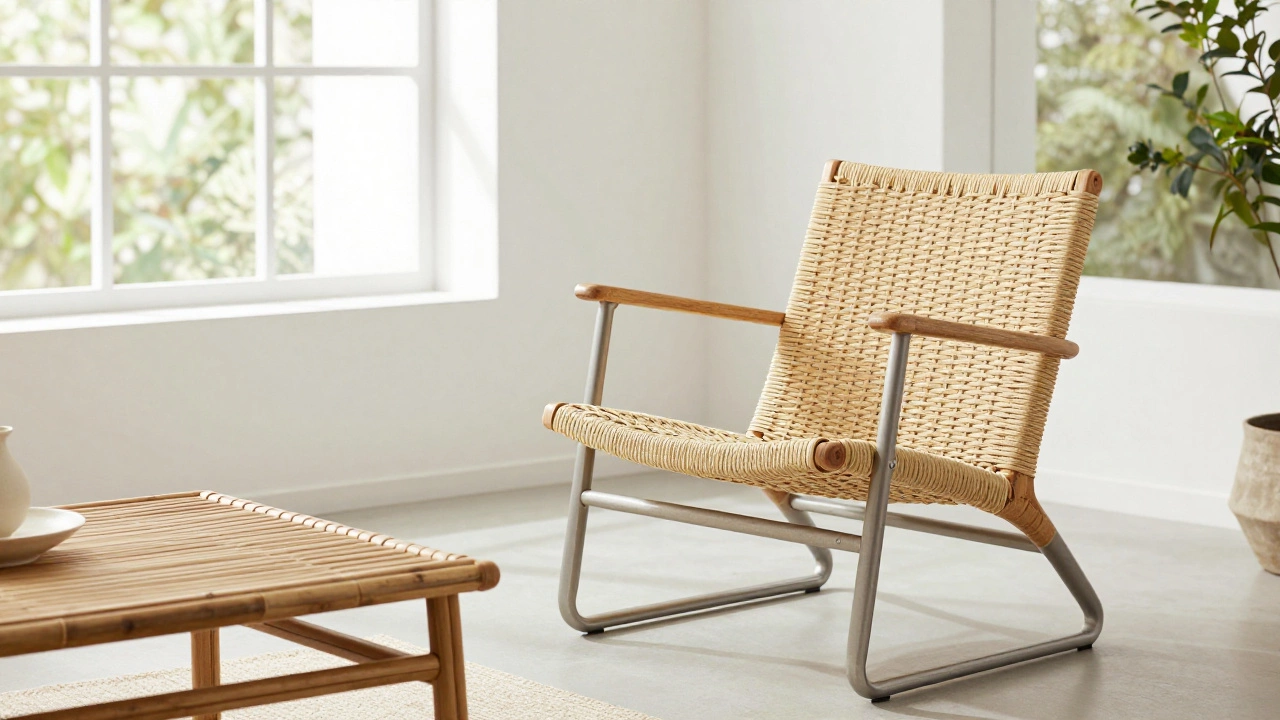
Rattan furniture is lightweight, easy to ship, and fits perfectly into the minimalist aesthetics popular in Sweden and Denmark. Indian manufacturers in states like Assam and West Bengal specialize in bending and weaving rattan into chairs, armchairs, and headboards. The labor-intensive nature of this work means it cannot be easily automated, giving India a competitive edge over machine-heavy competitors like China.
Bamboo is another rapidly growing export. While traditionally used for construction, Indian artisans now craft sleek bamboo coffee tables, shelving units, and even flooring. Bamboo grows incredibly fast, regenerating in three to five years, which makes it an attractive option for brands marketing themselves as carbon-neutral or green.
Home Decor and Accent Pieces
Not all exports are large sofas or beds. In fact, a significant portion of India’s furniture-related exports consists of smaller, high-margin accent pieces. These items are easier to ship due to lower weight and volume, reducing logistics costs for importers.
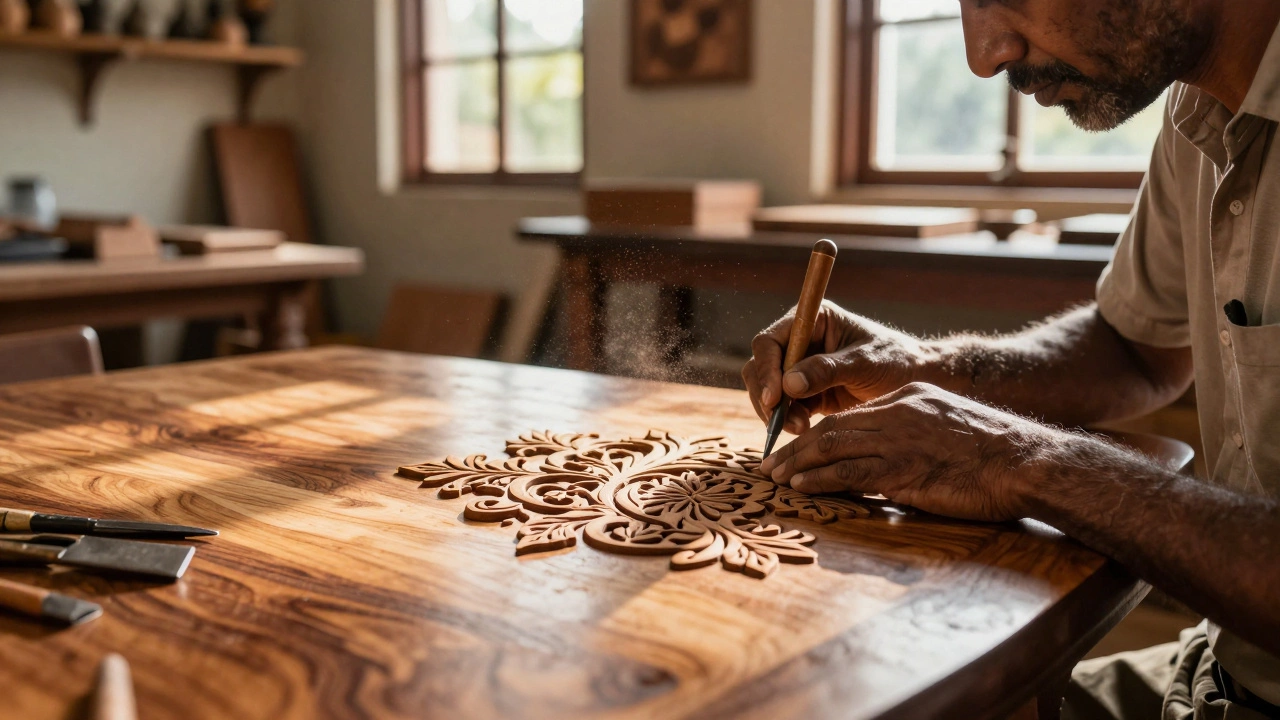
Hand-carved wooden mirrors, decorative screens, and intricate wall panels are staples of this category. Regions like Jaipur and Jodhpur in Rajasthan are famous for their marble and sandstone work. You will find heavy stone-topped side tables and marble console tables shipped worldwide. These pieces often combine local stone with metal bases, creating a fusion style that appeals to contemporary interior designers.
Brass and copper accents are also huge. Think of brass legs for glass-top tables, ornate door handles, or standalone statues that double as decor. The craftsmanship involved in casting these metals is centuries old, yet the designs are updated to fit modern homes. For example, a traditional brass peacock motif might be reimagined as a minimalist vase stand.
Modular and Engineered Wood Furniture
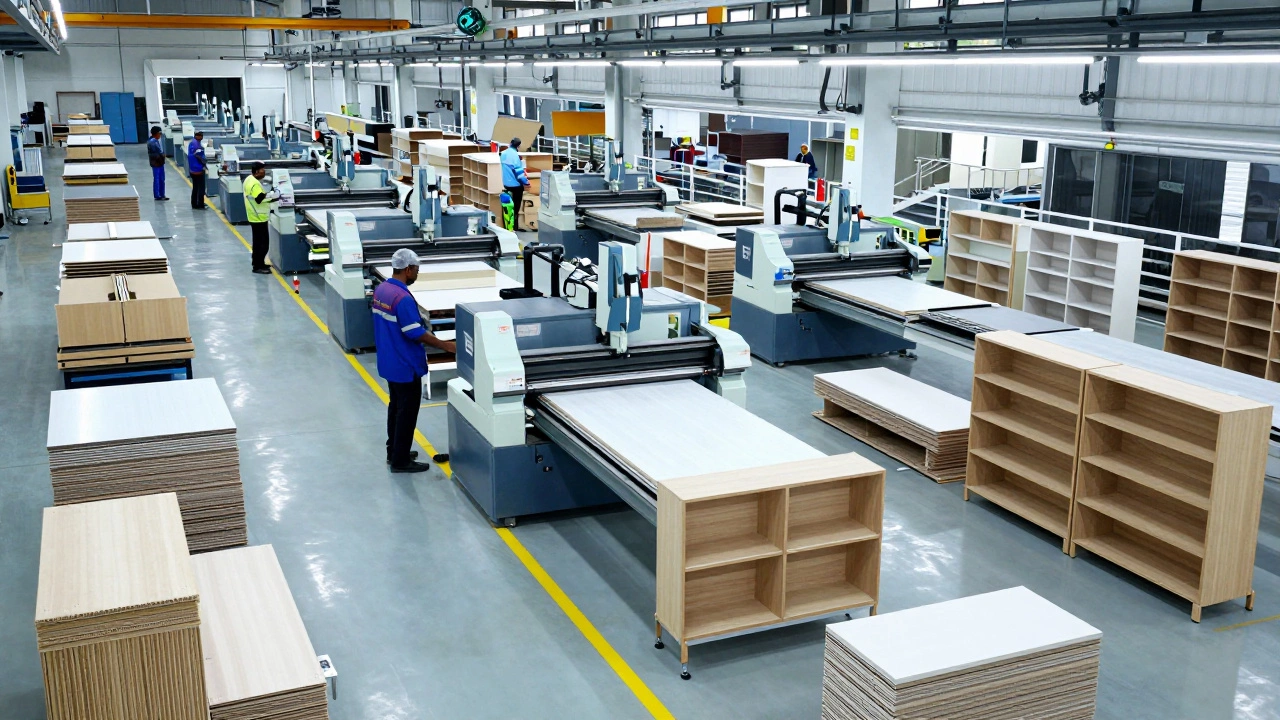
While handmade goods get the glory, the volume king is often engineered wood. As global housing prices rise, consumers in cities like London, Toronto, and Sydney are moving into smaller apartments. They need space-saving, affordable, and functional furniture. Indian manufacturers have responded by setting up large-scale factories producing particle board and MDF (Medium Density Fiberboard) furniture.
This sector focuses on flat-pack designs similar to those seen from major global retailers. Bookshelves, TV units, kitchen cabinets, and bedroom sets are manufactured with precision machinery. The advantage here is consistency and speed. A factory in Tamil Nadu can produce thousands of identical drawer units per month, ensuring that every piece fits together perfectly. This is crucial for DIY assembly models preferred by many Western consumers.
Laminates and veneers play a key role here. Indian companies offer a wide range of finishes-from realistic oak textures to bold colors-allowing them to match current interior trends quickly. This agility allows Indian exporters to pivot faster than larger, slower-moving competitors.
Key Export Hubs and Manufacturing Clusters
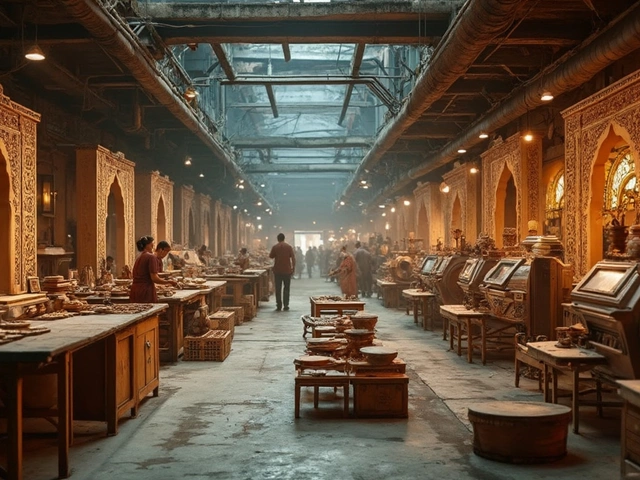
Understanding where the furniture comes from helps in assessing quality and style. India’s furniture industry is decentralized, with distinct clusters specializing in different types of products.
- Rajasthan: The heartland of handicrafts. Expect hand-carved wood, marble, and brass. Ideal for unique, artistic pieces rather than mass production.
- Kerala & Karnataka: Rich in teak and rosewood. These regions focus on high-quality solid wood furniture, often with traditional joinery techniques.
- Tamil Nadu: Home to several Export Processing Zones (EPZs). This state leads in both solid wood and engineered wood exports, with strong logistics infrastructure near Chennai port.
- Maharashtra: Mumbai and Pune are hubs for modern, urban-style furniture. Here you find more contemporary designs, leather upholstery, and metal-wood combinations.
- Assam & West Bengal: Specialized in cane, bamboo, and jute-based furniture. Perfect for eco-friendly and tropical-themed collections.
Challenges and Compliance in Exporting
Buying from India offers great value, but it requires due diligence. One of the biggest hurdles is compliance with international environmental laws. The EU Timber Regulation (EUTR) and the Lacey Act in the US strictly prohibit illegal logging. Reputable Indian manufacturers provide Chain of Custody certifications, proving that their wood was sourced legally and sustainably.
Quality control is another critical factor. Handmade items can vary slightly in size or finish. Buyers must establish clear tolerance levels and inspect pre-shipment samples. Additionally, shipping times can be lengthy, so planning inventory cycles is essential. Customs duties and tariffs also vary by country, affecting the final landed cost of the furniture.
Despite these challenges, the combination of skilled labor, diverse raw materials, and improving manufacturing standards keeps India at the top of the list for global furniture sourcing. Whether you need a bespoke teak dining table or a container load of rattan chairs, the options are vast and varied.
What is the most popular type of furniture exported from India?
Solid wood furniture, particularly made from Teak and Sheesham (Rosewood), is the highest-value export category. However, cane and rattan furniture have seen rapid growth in popularity due to global trends towards sustainable and lightweight home decor.
Is Indian furniture sustainable?
Yes, much of it is. Mango wood is a byproduct of fruit farming, and bamboo/rattan are fast-renewable resources. Many Indian manufacturers hold FSC (Forest Stewardship Council) certification, ensuring legal and sustainable sourcing of timber.
Which countries buy the most furniture from India?
The United States, Germany, the United Kingdom, France, and Italy are the top destinations. The US prefers solid wood and bedroom sets, while European countries favor outdoor teak furniture and eco-friendly cane designs.
Can I order custom furniture from Indian manufacturers?
Absolutely. Customization is a major strength of the Indian furniture industry. Manufacturers are accustomed to working with specific dimensions, finishes, and design modifications requested by international buyers, especially for bulk orders.
What are the main risks when importing furniture from India?
Key risks include inconsistent quality in handmade items, potential delays in shipping, and strict customs regulations regarding wood species. Mitigation involves thorough vetting of suppliers, requesting pre-shipment inspections, and ensuring all necessary phytosanitary and legal documentation is provided.