Global Furniture Sourcing Calculator
Sourcing Analysis:
Cost Breakdown
- Base Merchandise:
- Freight & Logistics:
- Duties & Insurance:
- Compliance/Testing:
Key Metrics
Walking into a showroom in Milan feels nothing like browsing a market in Mumbai. The price tags tell a wildly different story, and so does the quality of the wood under your fingertips. If you are looking to furnish a home, outfit a hotel, or start a retail business, the question isn't just about style-it's about where that furniture comes from. The best country to buy furniture depends entirely on what you value most: rock-bottom prices, sustainable materials, or rapid shipping.
We often assume that 'cheap' means low quality and 'expensive' means luxury. But in the global supply chain, those rules are broken down by region, labor costs, and raw material availability. By 2026, the landscape has shifted again. Supply chains have stabilized post-pandemic, but logistics costs remain higher than they were in 2019. This makes choosing the right origin critical for your bottom line.
Quick Summary: Key Takeaways
- China remains the king of volume and cost-efficiency for mass-produced items, ideal for large-scale commercial projects.
- India offers the best balance of craftsmanship, natural teak wood availability, and competitive pricing, especially for hand-carved and solid wood pieces.
- Italy is the undisputed leader for high-end design, luxury aesthetics, and brand prestige, commanding premium prices.
- Vietnam is emerging as the top alternative to China for mid-range quality with faster shipping to North America and Europe.
- Turkey provides the perfect geographic and cultural bridge for European buyers seeking Turkish craftsmanship at lower costs than Italy.
The Heavyweight Champion: China
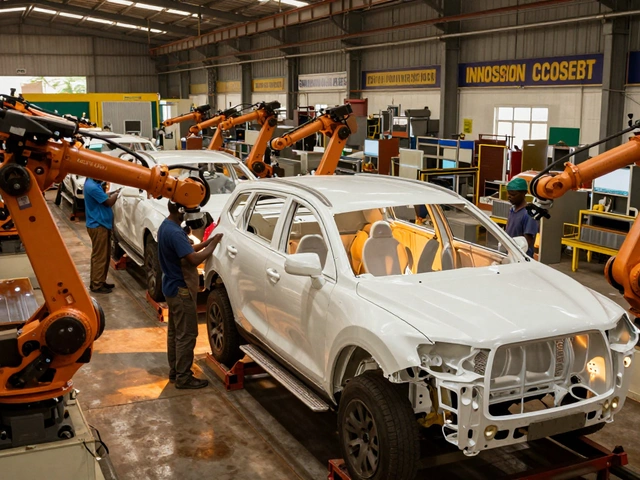
When people talk about global manufacturing, China is the world's largest exporter of furniture, producing everything from particle board desks to high-end designer replicas. It’s hard to ignore. The infrastructure is unmatched. You can order ten thousand chairs today, and they’ll be packed, labeled, and on a ship next week. For businesses scaling up quickly, this speed is invaluable.
The real advantage here is scale. Chinese factories benefit from massive economies of scale. They source materials locally, process them efficiently, and export globally. If you need flat-pack furniture similar to what you see in big-box stores, China is likely your cheapest option. Labor costs have risen since 2020, but automation has kept prices relatively stable compared to other regions.
However, there are trade-offs. Quality control can be inconsistent if you don’t have a trusted agent on the ground. Communication barriers still exist despite widespread English proficiency among factory managers. Also, environmental regulations vary by province. If sustainability is a core part of your brand identity, you need to dig deep into certifications like FSC (Forest Stewardship Council) to ensure the wood isn’t coming from illegal logging operations.
The Craftsmanship Hub: India
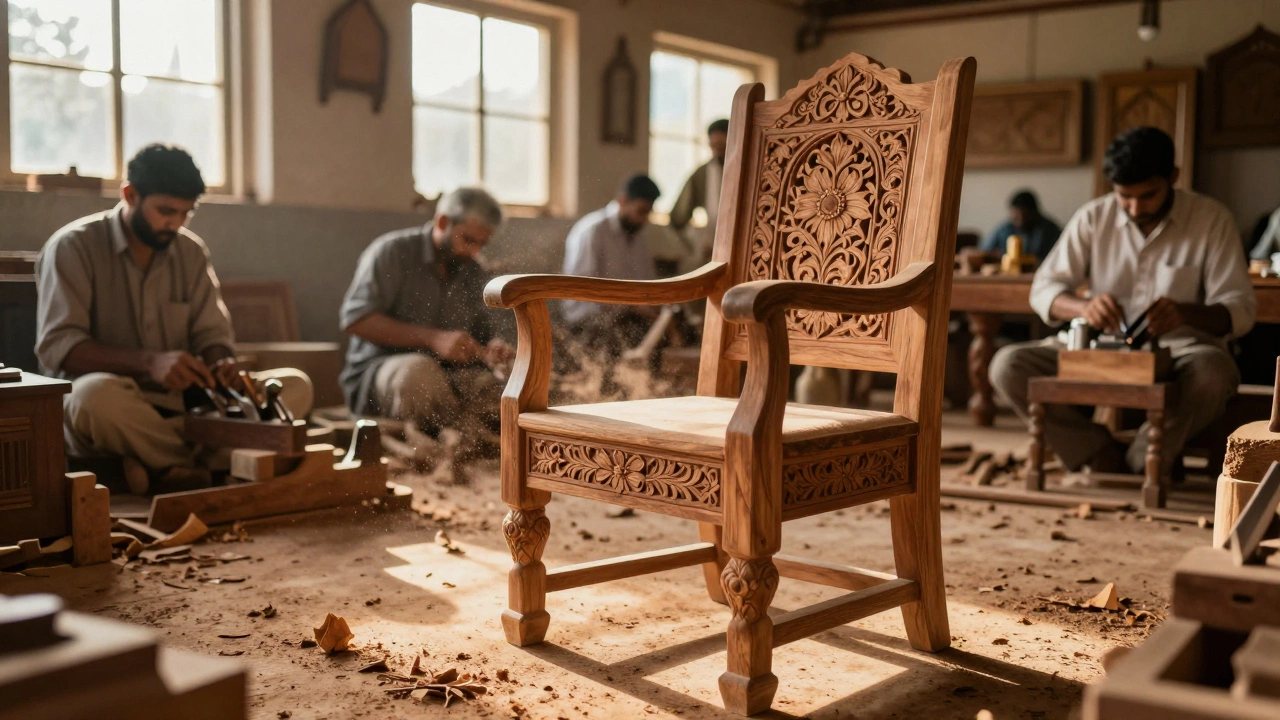
Let’s talk about India is a powerhouse for solid wood furniture, particularly known for its vast reserves of teak and skilled artisanal labor. Unlike China’s automated assembly lines, much of India’s furniture sector relies on traditional joinery techniques passed down through generations. Cities like Moradabad, Noida, and Coimbatore are hubs where artisans spend hours carving intricate designs into wood that machines simply cannot replicate.
Why choose India? First, there’s the material. India is one of the few countries with significant domestic supplies of teak, a wood prized for its durability, resistance to termites, and beautiful grain. While strict export controls protect these resources, processed furniture made from plantation-grown teak is widely available for international buyers. This gives Indian manufacturers a unique edge in the luxury outdoor and heritage-style indoor markets.
Secondly, labor costs remain competitive. Skilled carpenters in India charge less than their counterparts in Europe or North America, yet they deliver superior hand-finishing. For boutique hotels, resorts, and high-end residential projects requiring custom pieces, India offers a sweet spot between affordability and exclusivity. You’re not getting mass-produced plastic; you’re getting soulful, tactile objects built to last decades.
One challenge to watch out for is lead time. Custom orders take longer because they aren’t standardized. Expect delays during festival seasons like Diwali when production slows down. Building a relationship with a reliable manufacturer who understands international compliance standards (like CARB Phase 2 for formaldehyde emissions) is crucial to smooth imports.
The Design Capital: Italy
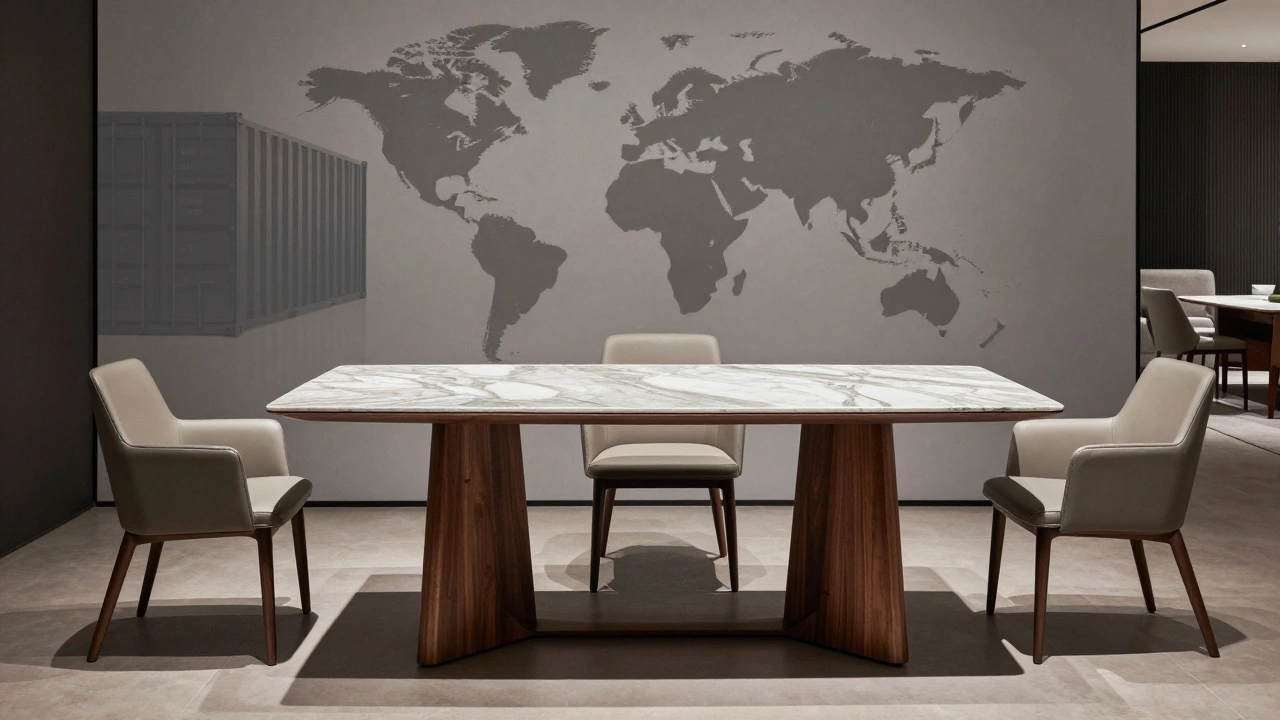
If budget is no object and you want pieces that double as art, look to Italy is the global benchmark for high-design furniture, combining innovative engineering with timeless aesthetic appeal. Italian furniture isn’t just bought; it’s invested in. Brands from the Lombardy and Veneto regions dominate the luxury segment worldwide. Think sleek marble tables, ergonomic leather sofas, and minimalist lighting fixtures that define modern interiors.
The value proposition here is intangible but powerful: brand equity. An Italian-made sofa carries a cachet that resonates with affluent consumers. Designers in Italy work closely with architects, ensuring that every piece fits seamlessly into contemporary living spaces. The focus is on ergonomics, material innovation, and finishing perfection. You pay for the R&D, the design talent, and the meticulous attention to detail.
For retailers targeting the ultra-luxury market, importing from Italy boosts perceived value. However, margins can be tight due to high acquisition costs. Shipping is also expensive given the fragility and weight of many Italian designs (think heavy stone or thick glass). Insurance becomes a significant line item. Moreover, minimum order quantities (MOQs) for exclusive collections can be high, making it difficult for small startups to enter this space without substantial capital.
The Rising Star: Vietnam
In recent years, Vietnam has emerged as a strategic alternative to China, offering robust manufacturing capabilities with favorable trade agreements. As companies diversify away from single-source dependencies, Vietnam has stepped up. It benefits from free trade agreements with the US and EU, which can mean zero tariffs on imported goods-a huge financial advantage over competitors facing duty hikes.
Vietnamese factories excel in rattan, bamboo, and acacia wood products. These materials are abundant locally, reducing transport costs for raw inputs. The workforce is young, disciplined, and increasingly skilled in modern manufacturing techniques. Many multinational brands have set up satellite facilities here, raising the overall standard of production.
Logistically, Vietnam is well-positioned. Ports like Hai Phong and Ho Chi Minh City handle massive volumes of container traffic efficiently. Lead times to major Western markets are often shorter than from China due to better port congestion management. For buyers seeking mid-to-high quality furniture without the geopolitical risks associated with larger rivals, Vietnam is a smart, pragmatic choice.
The Bridge Between East and West: Turkey
Turkey sits at the crossroads of Europe and Asia, offering European-style design sensibilities with Asian-level cost structures. Istanbul and Gaziantep are bustling centers for furniture production. Turkish manufacturers understand Western tastes intimately-they produce sofas, dining sets, and bedroom suites that mirror Italian styles but at significantly lower price points.
The key advantage for European buyers is proximity. Shipping from Turkey to Germany or France takes days, not weeks. This reduces inventory holding costs and allows for quicker restocking cycles. For North American buyers, sea freight routes are established and efficient. Turkish workers are highly trained in upholstery and woodworking, delivering finishes that rival those found in Southern Europe.
Currency fluctuations can impact pricing. The Turkish Lira’s volatility means that quotes can change rapidly. Working with suppliers who price in USD or EUR helps mitigate this risk. Additionally, Turkey has strong timber resources, including oak and walnut, supporting a robust domestic industry. For brands wanting a ‘Made in Europe’ label (since Turkey is partially in Europe) without the Italian price tag, this is a compelling option.
Comparison Table: Where Should You Source?
| Country | Best For | Avg. Cost Level | Lead Time | Key Material |
|---|---|---|---|---|
| China | Mass Production, Flat-Pack | Low | Medium | MDF, Plywood |
| India | Solid Wood, Hand-Carved | Medium | Long | Teak, Sheesham |
| Italy | Luxury Design, Brand Prestige | High | Medium | Marble, Leather |
| Vietnam | Mid-Range, Tariff-Free Imports | Medium-Low | Short | Rattan, Acacia |
| Turkey | European Style, Fast EU Delivery | Medium | Very Short | Oak, Walnut |

Hidden Costs That Can Sink Your Budget
It’s easy to fixate on the unit price listed on an invoice. But that number is only the tip of the iceberg. When buying furniture internationally, several hidden costs can erode your profit margin if you’re not prepared.
- Freight Charges: Ocean freight rates fluctuate weekly based on fuel prices and demand. Air freight is prohibitively expensive for bulky items. Always ask for Incoterms clarification-does the price include delivery to the port (FOB) or to your door (DDP)?
- Customs Duties: Import duties vary by country and product type. Wooden furniture might face different tariffs than metal or upholstered items. Check your local customs code before ordering.
- Insurance: Furniture is fragile. Cracked legs, scratched veneers, or dented frames happen during transit. Comprehensive marine insurance is non-negotiable.
- Compliance Testing: Products must meet safety standards in the destination country. In the US, this includes CPSIA for children’s furniture. In the EU, REACH regulations apply. Non-compliance means seized shipments and hefty fines.
- Payment Fees: International wire transfers incur bank fees. Using letters of credit adds administrative costs. Factor these into your total landed cost calculation.
How to Vet Manufacturers Like a Pro
Finding a supplier online is easy. Finding a trustworthy partner is hard. Here’s how to separate the serious manufacturers from the middlemen.
- Request Video Calls: Ask to tour the factory via video call. Look for organized workflows, clean floors, and proper storage. A genuine manufacturer will welcome this transparency.
- Check Certifications: Look for ISO 9001 (quality management), FSC (sustainable wood), and BSCI (social compliance). These aren’t just badges; they indicate rigorous internal audits.
- Order Samples: Never place a bulk order without seeing a physical sample. Test the joints, check the finish, and sit on the chairs. Does it creak? Is the fabric durable?
- Verify Legal Status: Use third-party verification services to confirm the company’s registration and export history. Scams do exist, especially on open platforms.
- Ask for References: Request contact details of previous international clients. A reputable supplier will proudly share success stories.
Future Trends in Global Furniture Sourcing
By 2026, the industry is moving towards greater transparency. Consumers want to know exactly where their couch came from and whether the workers were treated fairly. Blockchain tracking is starting to appear in supply chains, allowing buyers to trace raw materials back to the forest.
Sustainability is no longer optional. Regulations in the EU and California are tightening around carbon footprints and chemical usage. Manufacturers who invest in green energy and eco-friendly finishes will have a distinct advantage. Circular economy models-where furniture can be easily disassembled and recycled-are gaining traction, particularly in Scandinavian and Japanese markets.
Nearshoring is also on the rise. Companies are reducing reliance on distant suppliers by setting up regional hubs. For example, US brands are sourcing more from Mexico, while European brands look to Eastern Europe. This trend aims to shorten supply chains, reduce carbon emissions, and respond faster to market changes.
Is it cheaper to buy furniture from India or China?
For mass-produced, engineered wood items, China is generally cheaper due to extreme economies of scale. However, for solid wood furniture, especially teak or sheesham, India often offers better value for money because of lower labor costs for skilled craftsmanship and abundant local raw materials. The final cost depends heavily on customization levels and shipping distances.
What are the biggest risks of importing furniture?
The primary risks include damage during transit, quality inconsistencies, customs delays, and regulatory non-compliance. To mitigate these, always purchase comprehensive insurance, conduct pre-shipment inspections, verify all legal certifications beforehand, and build relationships with experienced freight forwarders who specialize in furniture logistics.
Can I buy single pieces of furniture from overseas manufacturers?
Most large-scale manufacturers require Minimum Order Quantities (MOQs) ranging from dozens to thousands of units. However, some factories offer sample orders or collaborate with trading companies that aggregate smaller orders. For individual buyers, specialized B2C platforms or direct-from-factory websites may allow single-piece purchases, though shipping costs per unit will be significantly higher.
How long does it take to receive furniture from abroad?
Lead times vary by region and method. Sea freight from Asia to Europe or North America typically takes 4-8 weeks, plus additional time for customs clearance. Air freight is faster (3-7 days) but extremely costly for heavy items. Localized production in nearby regions like Turkey for Europe or Mexico for the US can reduce delivery to just a few days or weeks.
Which country produces the highest quality furniture?
Quality is subjective and depends on the category. Italy leads in high-design luxury and material innovation. Japan is renowned for precision engineering and minimalism. Germany excels in functional, durable office furniture. India stands out for handcrafted solid wood pieces. There is no single 'best,' but rather different leaders in specific niches based on craftsmanship traditions and technological adoption.