Why IKEA Finds India So Attractive - Market, Demographics & Policy Wins
Oct 8 2025
Steel isn't something one person dreamed up overnight. It's the result of thousands of years of trial, error, and innovation. You can't point to a single inventor, but you can trace how steel, a strong, flexible alloy of iron and carbon used in buildings, bridges, and machines went from rare curiosity to the backbone of modern industry. Ancient blacksmiths in India and the Middle East made early forms of steel over 2,000 years ago—wootz steel from South India was famous for its sharpness and patterned blades, used in swords traded across Asia and Europe. This wasn't mass production. It was slow, skilled work done in small furnaces, using charcoal and local ores.
What changed everything wasn't a single breakthrough, but a shift in scale and control. In the 1850s, Henry Bessemer, an English inventor who developed the first practical method to mass-produce steel turned steel from a luxury into a commodity. His process blew air through molten iron to burn off impurities, cutting production time from weeks to hours. Around the same time, William Kelly, an American ironmaster working independently, came up with a nearly identical method. Neither knew the other was doing it. This wasn't luck—it was the inevitable result of growing demand. As railways, ships, and skyscrapers took off, the world needed more steel than hand-forged ingots could provide. The real revolution wasn't invention—it was industrialization.
Today, steel is everywhere: in the cranes lifting bricks at construction sites, in the rebar holding concrete together, in the machinery making everything from smartphones to washing machines. India, with its growing infrastructure and manufacturing base, is now one of the top steel producers in the world. But the core truth hasn't changed: steel's power comes from its simplicity—a little carbon added to iron, carefully controlled. The best steel isn't made by the biggest factory. It's made by those who understand the balance between heat, time, and composition. That’s why small manufacturers still thrive, just like they did centuries ago. They don’t need billion-dollar plants. They need skill, precision, and the knowledge passed down from generations who knew how to turn rock into strength.
Below, you’ll find real stories from people who’ve built businesses around manufacturing—how they started small, what they learned, and how they turned basic materials into something lasting. Whether it’s steel, bricks, or something else entirely, the same rules apply: quality beats quantity, and knowledge beats capital.
Jun
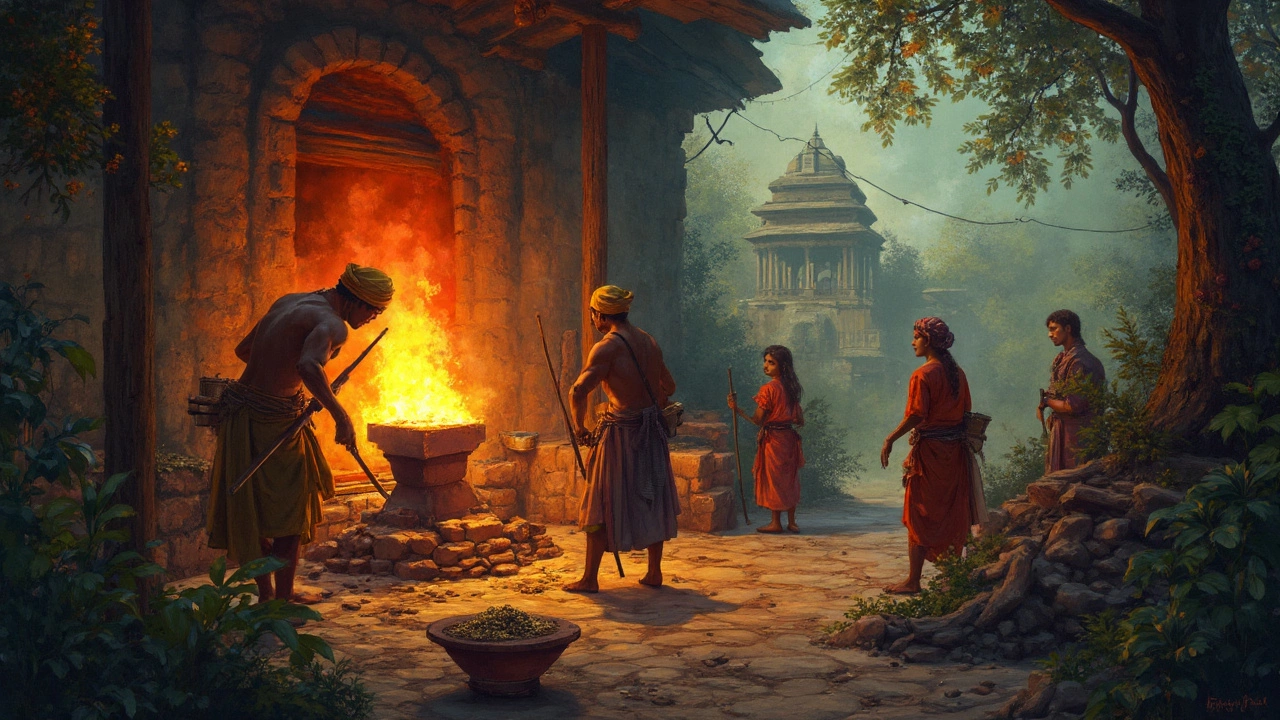
Steel is everywhere—in bridges, skyscrapers, cars, and even kitchen knives. But who actually invented steel? This article takes you deep into the story of steel, from its mysterious ancient roots to the groundbreaking methods that shaped our modern world. Get ready for a fascinating ride through human invention and surprising facts that will change how you see this common metal.

Oct 8 2025

Nov 21 2025
Jan 13 2026

Jul 9 2025
Nov 25 2025