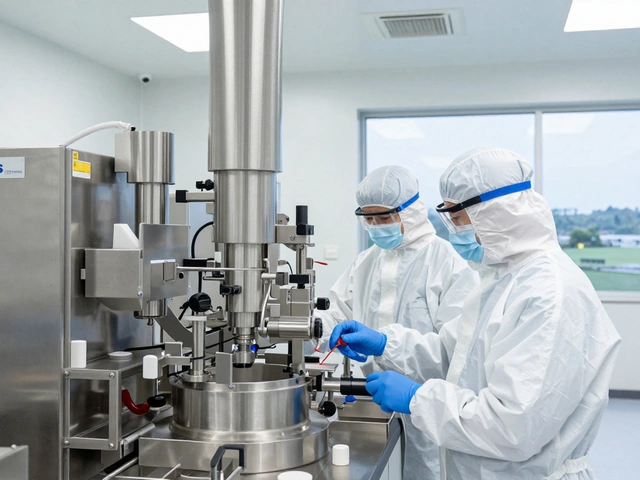
Which Indian Pharmaceutical Companies Have a Presence in the US?
Dec 4 2025
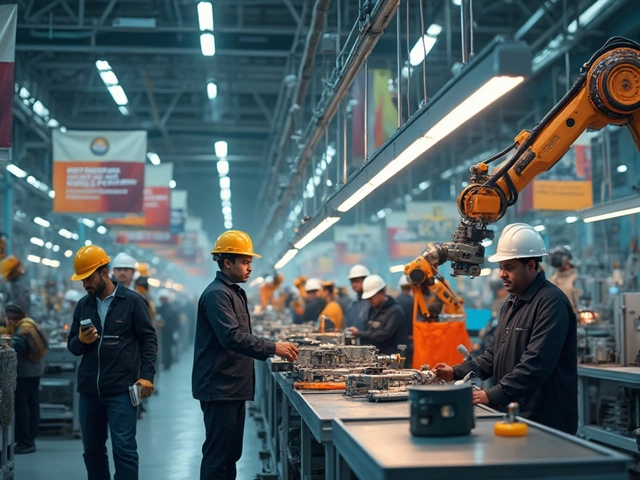
When you think of manufacturing, you probably picture machines, workers, and finished products. But behind every brick, chip, or garment is something less visible: waste management, the systematic handling of byproducts, scrap, and discarded materials from industrial processes. Also known as industrial waste handling, it’s what keeps factories running cleanly, legally, and profitably. In India, where manufacturing is booming, waste isn’t just trash—it’s a resource waiting to be reused, recycled, or repurposed.
Factories don’t just produce goods—they produce manufacturing waste, unwanted materials generated during production like broken bricks, excess clay, chemical residues, and packaging scraps. Big companies used to dump it in landfills or burn it. But now, smarter operations are turning that waste into savings. For example, brick manufacturers like Trang Bricks reuse clay offcuts and dust to make new bricks, cutting raw material costs by up to 30%. It’s not magic—it’s basic math: if you reuse 10 tons of waste a month, you’re saving money on buying new clay, paying for disposal, and avoiding fines.
Then there’s sustainable manufacturing, a system where waste is designed out of the process from the start. This isn’t just about being green—it’s about staying competitive. Countries that demand eco-certified goods won’t buy from factories that can’t prove they handle waste responsibly. In India, textile mills now filter dye waste before releasing it into rivers. Electronics makers collect broken circuit boards to recover tiny amounts of gold and copper. Even food processors turn spent grains into animal feed. These aren’t charity projects—they’re smart business moves that reduce costs and open new markets.
And let’s be real: governments aren’t waiting around. India’s environmental laws are tightening. Factories that ignore waste reduction, the practice of minimizing waste at the source before it’s even created face shutdowns, fines, or loss of licenses. The ones that win are the ones that plan ahead—using less water, reusing packaging, and training workers to spot waste before it happens.
What you’ll find in these articles isn’t theory. It’s real stories from small factories and big plants across India. You’ll see how a $1,000 startup made soap from kitchen grease. How a chemical plant cut its waste by 60% using simple filters. How a furniture maker turned sawdust into briquettes for heating. These aren’t outliers—they’re the new normal.
Jun
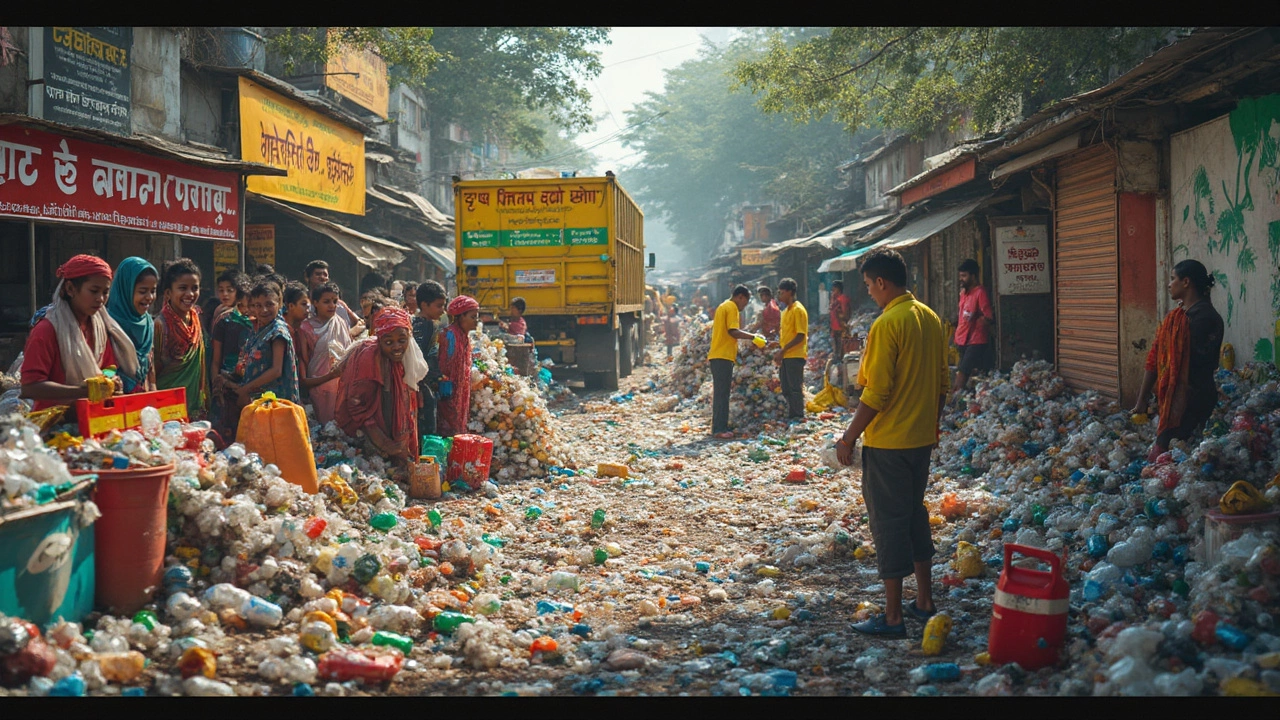
Ever wondered what happens to plastic once we toss it away? This article digs into the journey of used plastic: how it travels through recycling centers, landfills, and sometimes all the way into our oceans. Expect practical tips on what actually gets recycled, what ends up as pollution, and what plastic manufacturing companies are doing to help. Know the facts behind the recycling labels and discover smarter ways to deal with plastic waste in daily life. No fluff, just useful answers.
Dec 4 2025

Feb 22 2025
Apr 28 2025
Apr 30 2025
Feb 27 2026