The Journey of Small Scale Production: Insights and Essential Tips
Jan 28 2025
When you think of manufacturing, you might picture big machines or robots on a factory floor. But behind every product—whether it’s a brick, a bottle of medicine, or a bag of chips—are simple, repeatable steps called unit operations, fundamental physical or chemical processes used to transform raw materials into finished goods. Also known as processing steps, these are the backbone of every production line, from small workshops to global chemical plants. They don’t need fancy tech to work. They just need to be done right.
Think of unit operations like cooking. Chopping, heating, mixing, drying—these aren’t just tasks. They’re unit operations. In a food processing unit, a facility that turns raw ingredients into packaged food products, drying fruit or pasteurizing milk follows the same principles as drying clay bricks in a kiln. In chemical production, the industrial process of creating chemicals like dyes, fertilizers, or pharmaceuticals, distillation, filtration, and crystallization are all unit operations. Even in small scale manufacturing, producing goods in limited batches with local resources and hands-on control, these steps define what’s possible. You don’t need a billion-dollar plant to do them. You just need to understand them.
What makes unit operations powerful is their universality. The same drying process used to make ceramic bricks in India is used to make powdered milk in the U.S. The same filtration method that cleans water in a pharmaceutical plant filters syrup in a snack food factory. That’s why a small business making handmade soap can scale up without reinventing the wheel—they just apply the same unit operations at a bigger volume. It’s not about the size of the machine. It’s about the logic of the step.
And when supply chains break, it’s these basic operations that keep things moving. During the pandemic, local manufacturers in India kept making bricks, medicines, and food because they didn’t rely on complex global systems. They relied on unit operations—simple, reliable, and repeatable. That’s why understanding them isn’t just for engineers. It’s for anyone who wants to build something real, whether with $1,000 or a full factory.
Below, you’ll find real examples of how unit operations show up in everything from brickmaking to snack production. You’ll see how small manufacturers use them to compete with giants, how food and chemical plants rely on them daily, and why mastering just a few of these steps can turn an idea into a business.
Jan
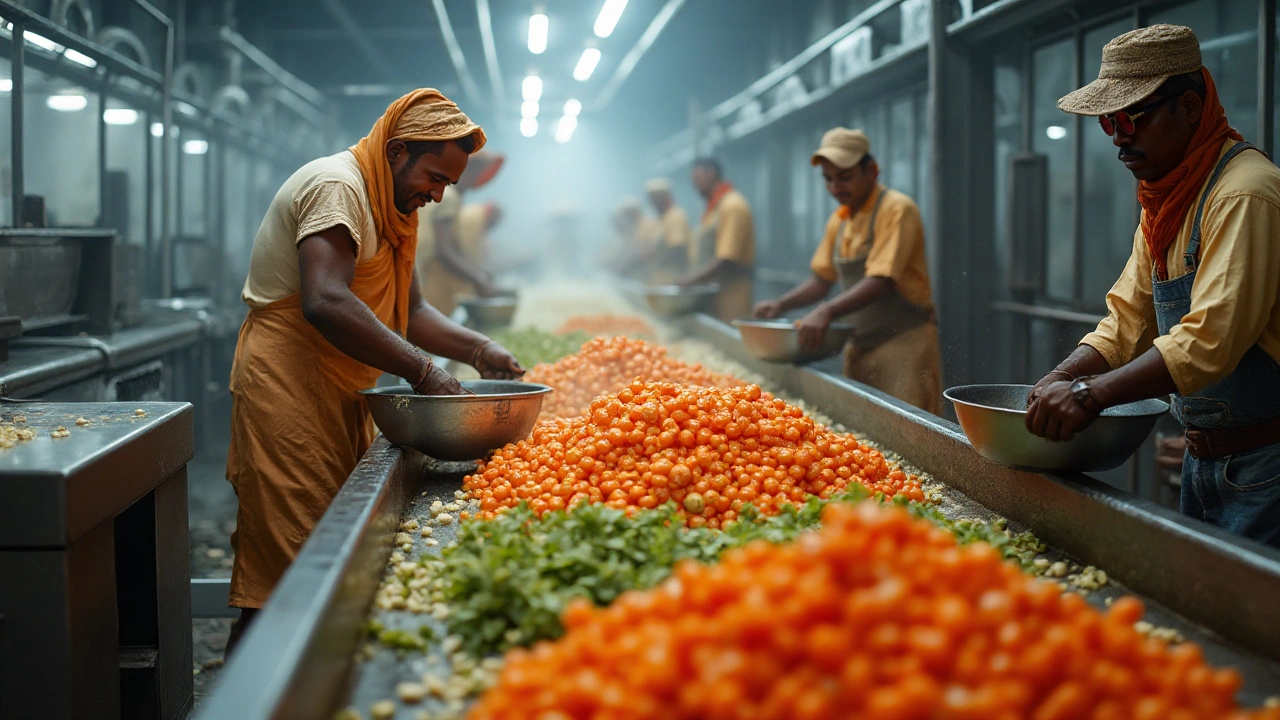
Unit operations form the backbone of food processing, ensuring the safety, quality, and efficiency of foods we consume. This article delves into the six core unit operations typically included in food processes: cleaning, separation, heat exchange, size reduction, mixing, and packaging. Each of these operations plays a pivotal role in transforming raw ingredients into consumable products. Through examining each step, we understand how technology and innovation continually improve our food systems.

Jan 28 2025

Mar 22 2025
Jun 12 2025
Apr 1 2025

Oct 21 2025