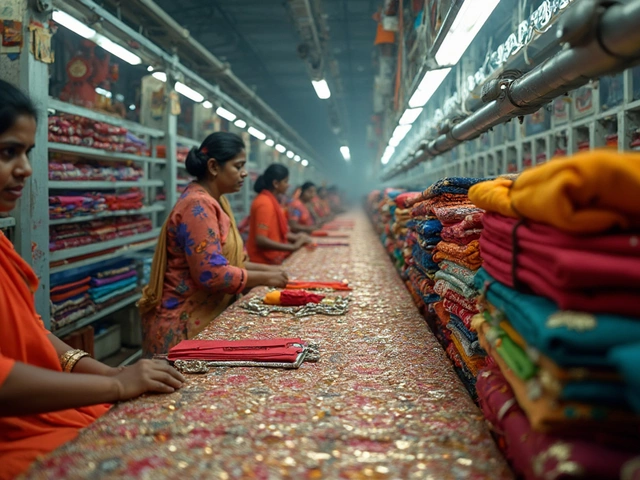
Textile City of India: Why Surat Stands Out
May 14 2025
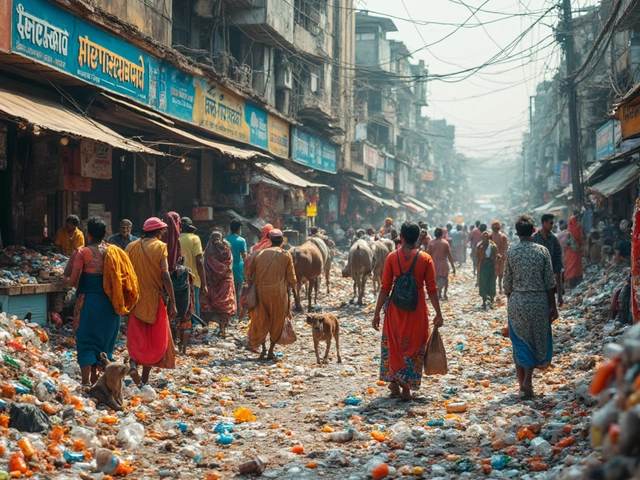
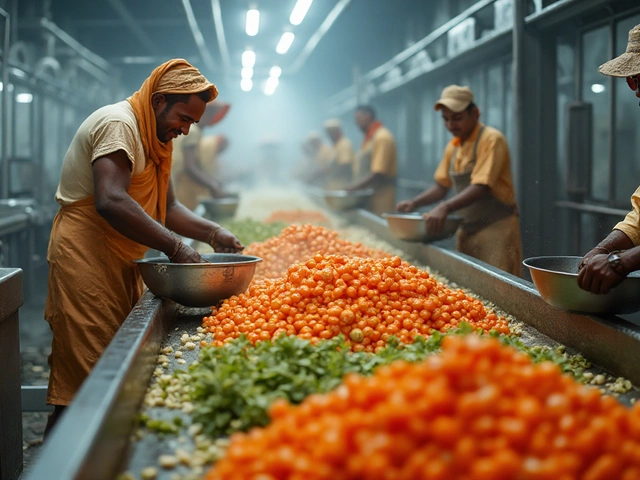
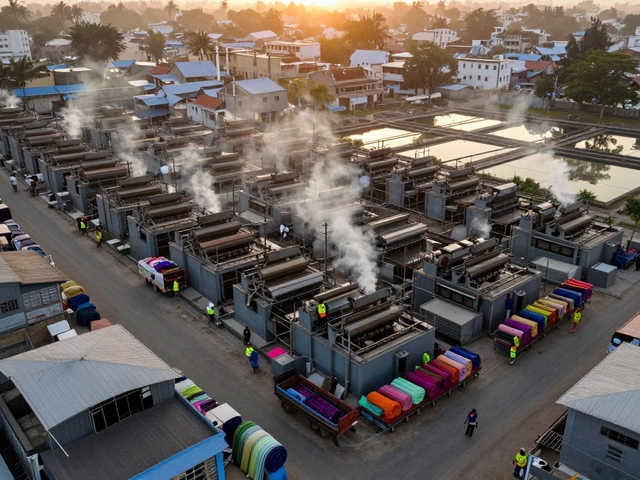
When we talk about the micro small scale industry, a category of businesses that produce goods in small volumes using limited capital, equipment, and labor. Also known as small scale manufacturing, it’s not about factories with hundreds of workers—it’s about workshops, home-based units, and local shops making things people actually need. These aren’t big corporations with global supply chains. They’re the guy in Surat making synthetic fabric by the roll, the family in Rajasthan handcrafting wooden furniture, or the tiny plant in Tamil Nadu producing bricks one batch at a time. This is where India’s real manufacturing heartbeat lives.
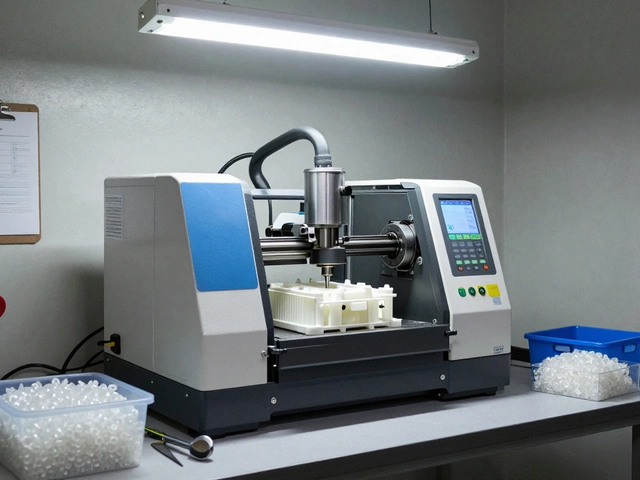
The small scale manufacturing, a form of production that prioritizes flexibility, quality control, and local demand over mass output. Also known as local production, it thrives because it doesn’t need massive investment to start. You don’t need a billion-dollar plant to make soap, pet tags, or custom bricks—you need skill, a reliable supplier, and customers who value what you make. That’s why cottage industry, a home-based or small workshop model of production often passed down through generations. Also known as artisan manufacturing, it’s still alive in villages across India, turning raw materials into products with soul. These aren’t relics of the past. They’re adapting. With government schemes, better access to tools, and digital marketing, they’re now competing with giants by being faster, smarter, and more personal.
What makes micro small scale industry different from big factories? Control. When you make 500 bricks a day instead of 50,000, you can tweak the mix, fix a crack right away, and deliver exactly what the builder asked for. That’s why Indian brick makers like Trang Bricks focus on quality over speed. It’s why Surat’s textile units can churn out new fabric designs in days, not months. And it’s why Indian pharma startups can get FDA approval for niche drugs that big labs ignore. These businesses survive by solving problems big players can’t—or won’t—touch.
They’re also the reason local economies stay alive. One small unit hires five people. Five units hire twenty-five. That’s a village’s income. That’s a family’s future. And when global supply chains break down, it’s these small players who keep things moving. During the pandemic, it wasn’t the big factories that kept medicine and masks flowing—it was the micro units in small towns, working with what they had.
What you’ll find here isn’t theory. It’s real stories. From how to start a manufacturing business with just $1,000, to why India is becoming a hub for electronics and chemicals, to the exact products making the most profit today. You’ll see how local production beats mass manufacturing in quality, speed, and resilience. And you’ll learn why the future of manufacturing isn’t about size—it’s about smart, small, and stubbornly local.
May

A micro small scale industry covers tiny businesses that make goods or provide services on a limited scale. They're usually owned and run by just a few people, sometimes even out of a home or small workshop. This article covers what qualifies as a micro small scale industry, how to get started, and why these businesses matter. You'll learn about practical steps, real costs, advantages, and common mistakes to avoid. Simple examples and first-hand tips make it all easy to grasp.
May 14 2025
Feb 26 2025
Jan 19 2025
Feb 24 2026
Dec 4 2025