Invention-to-Manufacturing Strategy Estimator
Use this calculator to determine the most efficient path from idea to market. It helps you decide between a Design or Utility Patent and estimates initial manufacturing costs.
Recommended Patent
-
-
-Est. Mfg Method
-
-
-Total Est. Startup Cost
-
Includes legal & setup fees.You have a brilliant idea. Maybe it is a new type of kitchen gadget, a more efficient tool for your workshop, or a unique piece of furniture. You sketch it out, you tell your friends, and they say, "You should sell that!" But then the hard part starts. How do you actually protect that idea so someone else doesn't steal it? And more importantly, how do you turn that sketch into a real, physical product without spending your life savings?
Most people get stuck here because they think patenting and manufacturing are two separate, disconnected hurdles. They aren't. In fact, trying to patent before you know if the thing can even be made is a common and expensive mistake. This guide walks you through the realistic path from concept to commerce, specifically tailored for small-scale creators who don't have a corporate legal team on speed dial.
The Reality Check: Do You Actually Need a Patent?
Before you spend thousands of dollars, ask yourself this: Is your idea truly novel? The United States Patent and Trademark Office (USPTO) grants patents for inventions that are new, useful, and non-obvious. "Non-obvious" is the tricky part. If a skilled engineer in your field could look at existing products and easily combine them to create your idea, you might not get a utility patent.
For many small-scale manufacturers, a design patent is often more practical than a utility patent. While a utility patent protects how something works, a design patent protects how it looks. If your competitive advantage is aesthetics-like a uniquely shaped bottle opener-a design patent is cheaper, faster to obtain, and easier to enforce against knock-offs. Utility patents take 2-4 years and cost $10,000-$15,000+. Design patents take 12-18 months and cost $2,000-$4,000.
Step 1: Validate Before You Protect
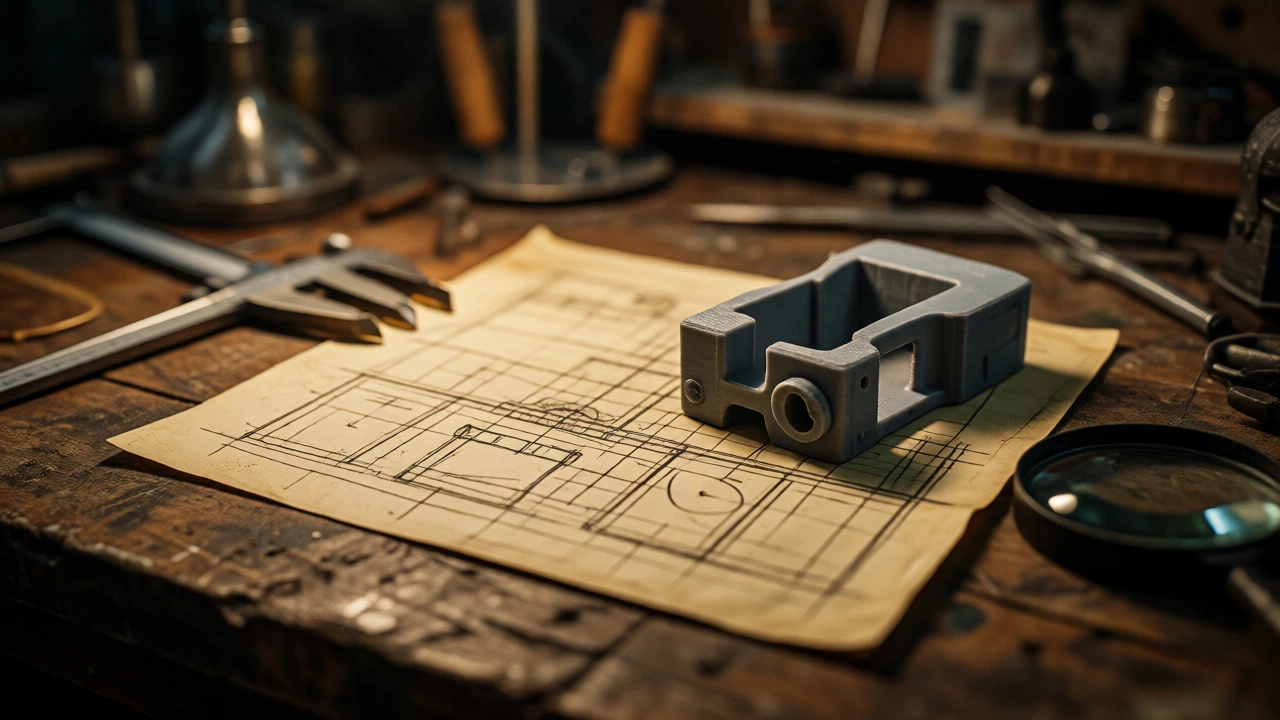
Don't file a patent until you know people will buy the product. Filing fees are sunk costs. If no one wants your invention, those fees are gone forever. Start with a Minimum Viable Product (MVP). This isn't necessarily a final manufactured unit; it could be a high-quality 3D print, a laser-cut prototype, or a hand-built model.
Show this MVP to potential customers. Not your mom, not your best friend who says yes to everything, but strangers. Use platforms like Kickstarter or Indiegogo to gauge interest. If you raise money, you validate demand. If you don't, you saved yourself ten grand on legal fees. This validation phase also helps you refine the design, which might change what you eventually patent.
Step 2: Conduct a Prior Art Search
A prior art search is checking if anyone else has already invented your idea. You can do a basic version yourself using free databases like Google Patents or the USPTO's public search system. Look for keywords related to your function, material, and use case.
If you find something similar, don't panic. You might still be able to patent a specific improvement. However, if you find an exact match, your idea isn't new. For a deeper analysis, hire a professional patent searcher. They charge $500-$1,500, which is cheap insurance compared to filing a doomed application. They provide a freedom-to-operate opinion, telling you if you can legally make and sell your product without infringing on someone else's rights.
Step 3: Choose Your Patent Strategy
You generally have two options when filing with the USPTO:
- Provisional Patent Application (PPA): This is a placeholder. It establishes your filing date and gives you "Patent Pending" status for 12 months. It is inexpensive (a few hundred dollars in fees) and requires less formal documentation. Use this time to test the market and seek investors.
- Non-Provisional Patent Application: This is the real deal. It triggers the examination process. You must convert your PPA to a Non-Provisional within 12 months, or your priority date expires.
Do you need a lawyer? For a simple design patent, you might file pro se (yourself). For a complex utility patent, absolutely hire a registered patent attorney. The drafting language is precise; one wrong word can limit your protection significantly. A good attorney helps you write claims that cover variations of your invention, not just the exact version you built.
Step 4: Design for Manufacturability (DFM)
Here is where most inventors fail. You patented a concept, but now you need to build it. A prototype made by hand or 3D printed often cannot be mass-produced efficiently. This is called Design for Manufacturability.
Consider these factors:
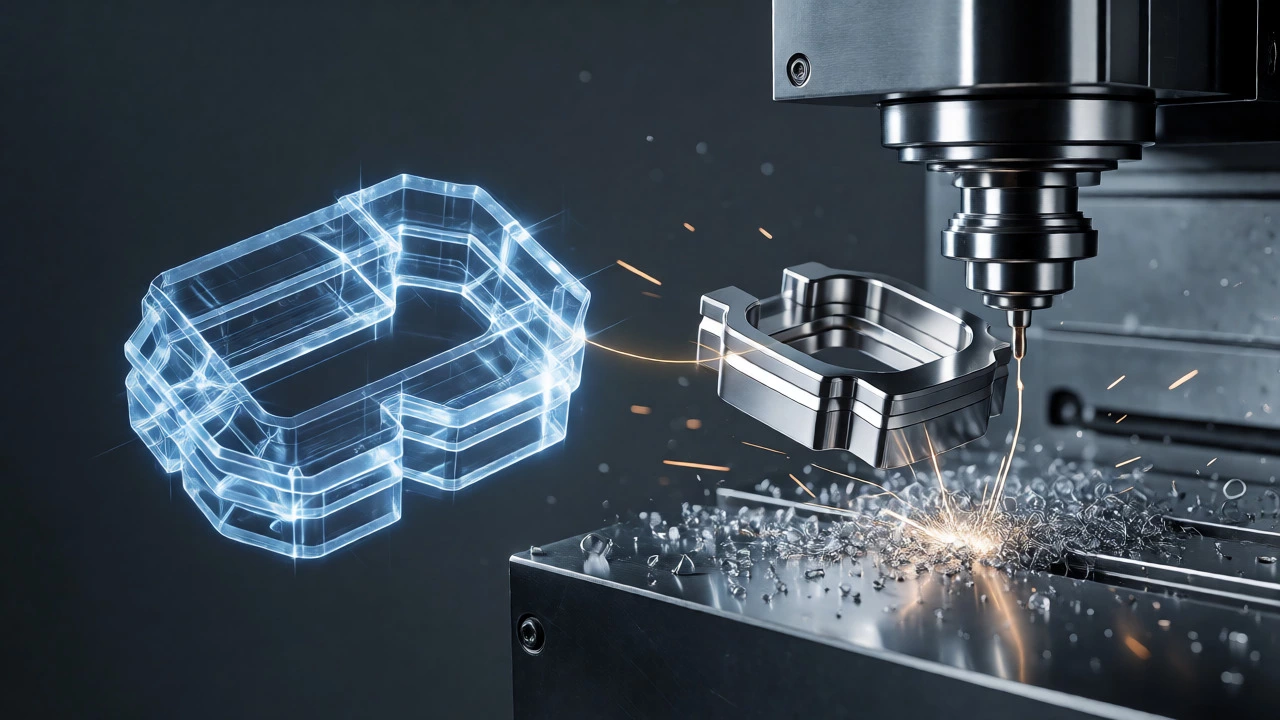
- Material Choice: Can you source plastic, metal, or wood consistently? Injection molding requires steel molds that cost $5,000-$20,000 upfront. CNC machining is better for small batches but has higher per-unit costs.
- Tolerances: How precise does it need to be? Tighter tolerances mean higher costs. Does your product need to fit inside another component to a millimeter precision, or is half a centimeter okay?
- Assembly: Can it be assembled quickly? Every screw, glue joint, or snap-fit adds labor time. Designing parts that self-align reduces assembly errors and speeds up production.
Work with a mechanical engineer or a manufacturing consultant during this phase. Their hourly rate ($75-$150) saves you from ordering 1,000 units that don't work together.
Step 5: Finding a Small-Scale Manufacturer
You don't need a factory in Shenzhen making millions of units. For small-scale manufacturing, look for local job shops or specialized contract manufacturers. Platforms like Xometry or Protolabs allow you to upload CAD files and get quotes instantly for CNC machining, injection molding, or sheet metal fabrication.
| Method | Best For | Setup Cost | Unit Cost | Lead Time |
|---|---|---|---|---|
| 3D Printing (SLA/SLS) | Complex geometries, prototypes, very low volume (<100) | $0 | High | Days |
| CNC Machining | High precision, strong materials, medium volume (100-1,000) | Low | Medium-High | Weeks |
| Injection Molding | Plastic parts, high consistency, high volume (>1,000) | Very High | Very Low | Months |
| Laser Cutting/Waterjet | Flat parts, sheet metal, acrylic, wood | Low | Medium | Days-Weeks |
When contacting manufacturers, ask for references. Visit their facility if possible. Check if they handle quality control or if you need to inspect every batch yourself. For small runs, communication is key. A responsive shop owner who understands your niche is worth more than a larger factory that treats you as a nuisance.
Step 6: Production and Quality Control
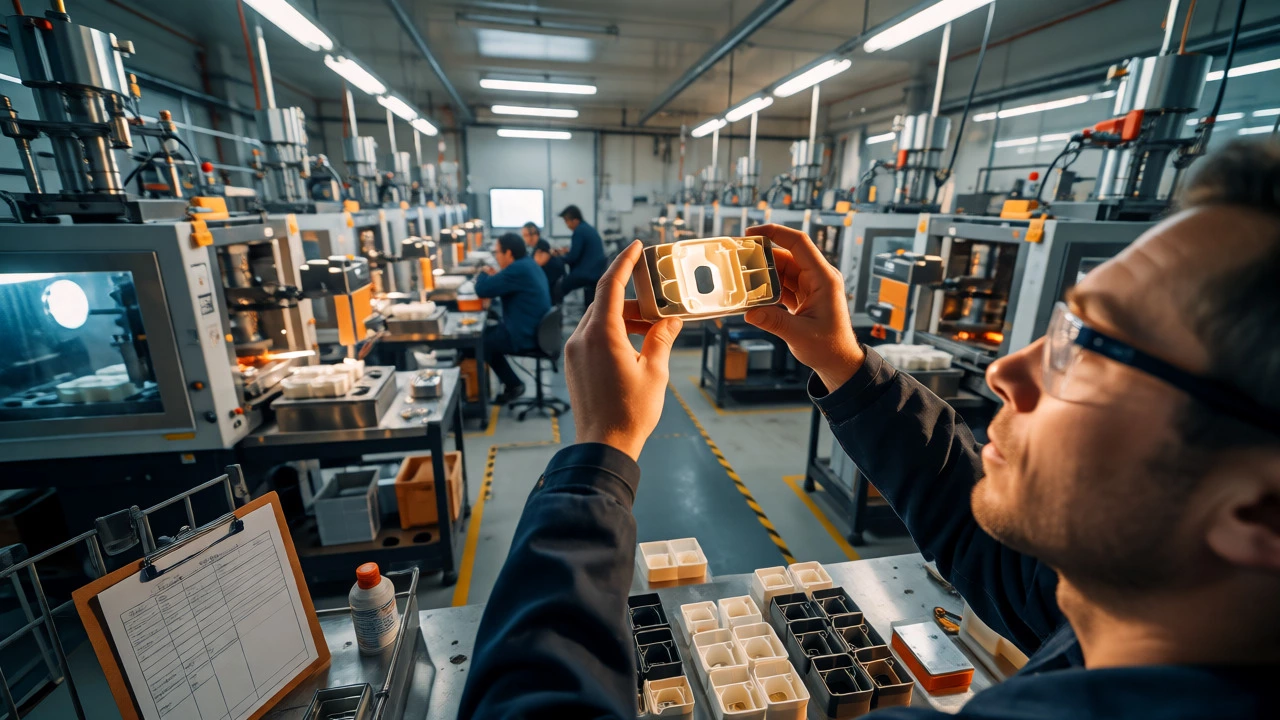
Once you select a manufacturer, start with a pilot run. Order 50-100 units. Inspect them rigorously. Are the colors consistent? Do the moving parts stick? Are there burrs or sharp edges? Fix these issues before committing to a full production run.
Create a Quality Assurance (QA) checklist. Share it with your manufacturer. Specify acceptable defect rates. For example, "No more than 2% cosmetic defects." This sets clear expectations. Remember, you are responsible for the final product's reputation. If a customer gets a broken unit, they blame you, not your supplier.
Common Pitfalls to Avoid
First, don't wait too long to file. In the US, you have a one-year grace period after publicly disclosing your invention (selling, exhibiting, posting online) to file a patent. After that, you lose rights. Second, don't ignore international markets. A US patent only protects you in the US. If you plan to sell in Europe or Asia, you need to file there within 12 months of your US filing via the Patent Cooperation Treaty (PCT).
Third, keep detailed records. Date-stamped sketches, emails with engineers, and receipts for prototypes prove you were the first to invent. This evidence is crucial if someone challenges your patent later.
Can I patent an idea without building a prototype?
Yes, technically you can file a patent based on drawings and descriptions alone. However, having a functional prototype helps identify flaws that might affect the patent claims. It also proves "enablement"-that someone skilled in the art could actually build it based on your description. Most attorneys recommend at least a rough prototype or detailed CAD models before filing.
How much does it cost to patent an idea?
Costs vary widely. A provisional patent application might cost $500-$2,000 including attorney fees. A full utility patent can range from $10,000 to $20,000+ over its lifetime due to filing fees, attorney hours, and maintenance fees. Design patents are cheaper, typically $2,000-$4,000. DIY filings reduce costs but increase the risk of weak protection.
What is the difference between a patent and a trademark?
A patent protects the invention itself-how it works or looks. A trademark protects your brand identity, such as your company name, logo, or slogan. You can have both. For example, Apple has patents on iPhone technology and trademarks on the Apple logo and name. You need a patent to stop others from copying your product's function, and a trademark to stop them from confusing customers with similar branding.
How long does the patent process take?
A provisional patent lasts 12 months. A non-provisional utility patent application takes 2-4 years to be granted by the USPTO due to examination queues. Design patents are faster, usually taking 12-18 months. During this time, you can mark your product as "Patent Pending," which warns competitors that legal protection is underway.
Can I manufacture my product while the patent is pending?
Yes. Once you file a provisional or non-provisional application, you can sell and manufacture your product under "Patent Pending" status. This does not give you exclusive rights yet, but it secures your priority date. If the patent is eventually granted, you may be able to collect damages from infringers who sold copies after your filing date.