Manufacturing Growth & Risk Estimator
Business Parameters
Analysis Result
Fill in the parameters and click calculate to see your 2026 manufacturing outlook.
The real winners in 2026 are those focusing on manufacturing business ideas that blend technology with sustainability. We're seeing a massive shift toward decentralized production-where things are made closer to where they're sold-and a desperate need for materials that don't kill the planet. If you can figure out how to produce something high-demand with a low carbon footprint, you've already won half the battle.
The Rise of Sustainable Material Production
The biggest growth surge is happening in the world of alternative materials. For decades, we relied on plastics and heavy metals, but the market has shifted. Consumers aren't just asking for 'green' products; they're demanding them. This has created a goldmine for entrepreneurs who can manufacture biodegradable alternatives.
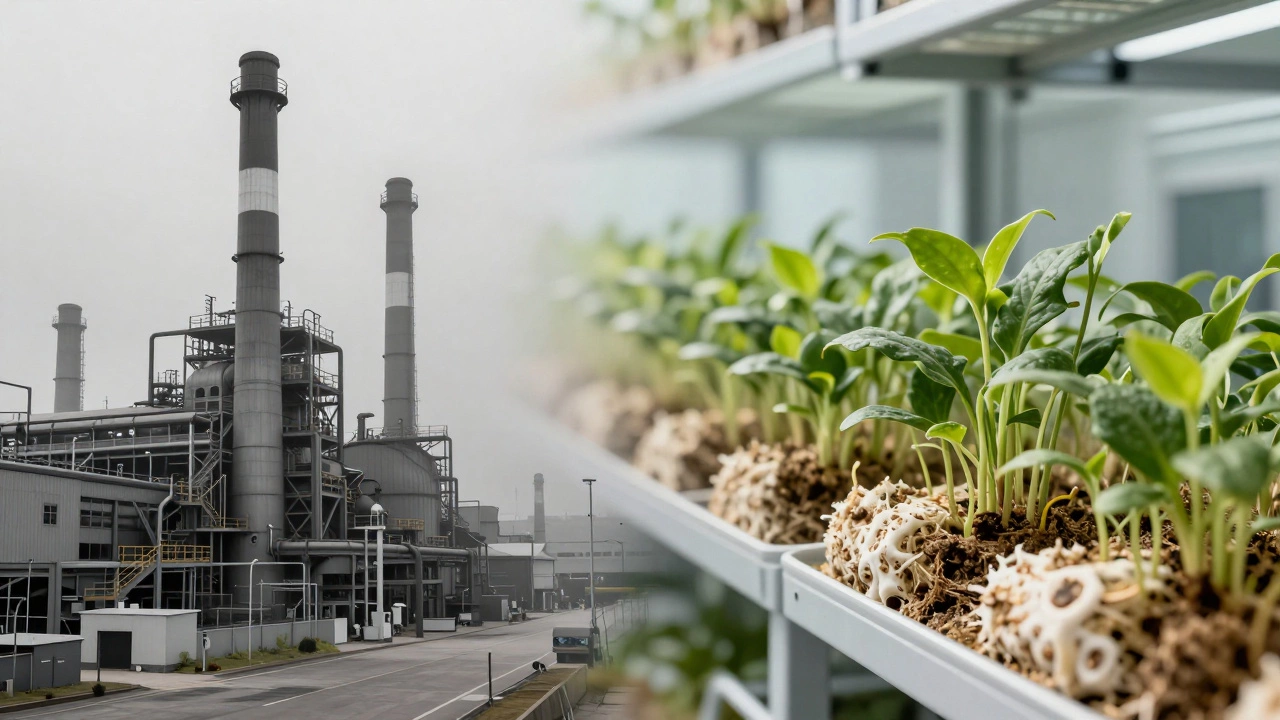
Mycelium Packaging is a sustainable alternative to polystyrene and plastic foams, grown from the root structure of mushrooms. Unlike traditional plastic, which takes centuries to decompose, mycelium breaks down in a backyard compost bin within weeks. Businesses that specialize in this are scaling rapidly because global shipping giants are desperate to ditch plastic wrap to meet 2030 climate targets.
Then you have the world of recycled textiles. We're talking about taking ocean plastic or old fishing nets and turning them into high-end automotive interiors or athletic wear. This isn't just a 'nice to have' anymore; it's a regulatory requirement in many regions. The growth here is driven by the 'Circular Economy'-a system where waste is designed out of the process entirely.
| Material Type | Growth Rate (Est.) | Primary Driver | Market Entry Barrier |
|---|---|---|---|
| Standard Plastics | Low/Stagnant | Low Cost | Very Low |
| Mycelium/Bio-plastics | High (25%+) | Environmental Laws | Medium (R&D needed) |
| Recycled Carbon Fiber | Medium-High | Aerospace/EV Demand | High (Equipment cost) |
Smart Manufacturing and the 'Micro-Factory'
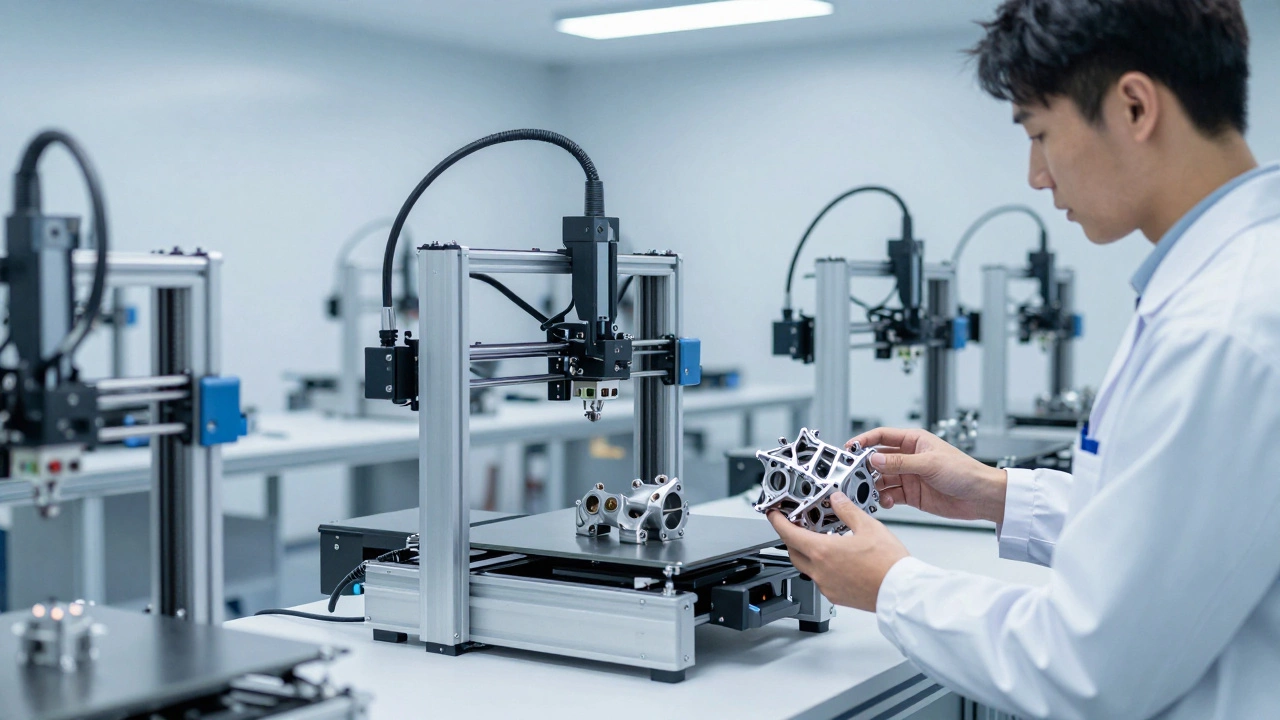
Who is actually growing the fastest? It's the people who have shrunk the factory. The era of the giant, million-square-foot plant is being challenged by the Micro-Factory, a small-scale, highly automated production unit that focuses on localized, on-demand manufacturing.
Think about it: why ship a plastic part from across the ocean when you can print it ten miles away from the customer? This shift is powered by Additive Manufacturing, more commonly known as 3D printing. We've moved past printing little plastic toys. We're now seeing industrial-grade metal 3D printing used for custom medical implants and aerospace components.
If you're starting today, don't try to compete with a giant plant in Asia on price. You'll lose. Instead, compete on speed and customization. A business that can design, print, and ship a custom-fitted ergonomic tool for a specific industry in 48 hours will always beat a mass-producer that takes six weeks for delivery.
The Explosion of Specialized Health-Tech Hardware
Health care is no longer just about pills and doctors. It's about hardware. The growth in the medical device sector is staggering because the world's population is aging, and we're getting better at monitoring health in real-time.
Wearable tech is the obvious example, but the real growth is in 'assistive manufacturing.' This includes things like customized prosthetic limbs and exoskeleton components. Because every human body is different, these can't be mass-produced. They require a hybrid approach: 3D scanning the patient and then using precision CNC machining or additive manufacturing to create a perfect fit.
Another area seeing a spike is the production of home-diagnostic kits. Since 2020, there's been a massive cultural shift toward managing health at home. Manufacturing the high-precision plastic casings and microfluidic chips used in these tests is a high-margin, high-growth play.
Energy Transition Components
You can't talk about the fastest-growing businesses without mentioning the energy shift. Every single building, car, and power grid is being overhauled. This means there is a ravenous demand for the components that make this possible.
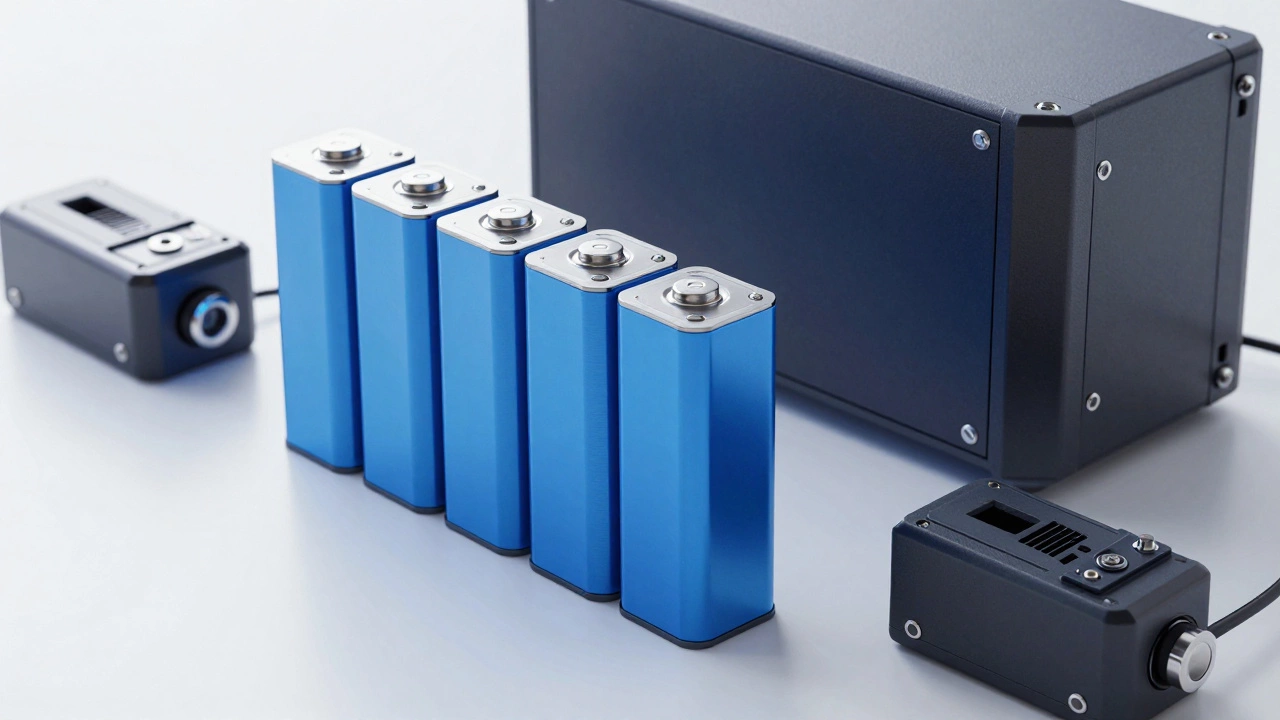
Solid-State Batteries are the next evolution of energy storage, using solid electrolytes instead of liquid to increase safety and energy density. As the world moves toward Electric Vehicles (EVs), the companies that can manufacture these batteries at scale are becoming the new industrial giants.
But it's not just batteries. There's a huge gap in the production of EV charging infrastructure. We need millions of charging ports, and most of them need custom housing, cooling systems, and weather-proof casings. If you have the capability to manufacture heavy-duty outdoor electrical enclosures, you're sitting on a goldmine for the next decade.
How to Identify Your Own Growth Niche
So, how do you actually pick a winner? Don't just follow a trend you saw on LinkedIn. Look for 'friction.' Where is the supply chain broken? What is taking too long to arrive? What is too expensive because it's being shipped from too far away?
Ask yourself: Can I make this more sustainable? Can I make this faster through automation? Can I customize this for a specific group of people? If the answer to two of those is 'yes,' you've found a growth sector.
For example, look at the current trend in home office furniture. We've moved past the basic desk. Now, people want integrated cable management, built-in wireless charging, and ergonomic shapes that actually fit their bodies. A small-scale manufacturer using CNC routing to create custom, high-end home office pods is growing much faster than a company selling generic flat-pack desks.
Pitfalls to Avoid When Scaling Fast
Growth is great, but scaling too quickly is how most manufacturing startups fail. The biggest mistake is over-investing in heavy machinery before you've proven the demand. You don't need a 10-million-dollar press if you're only selling 100 units a month.
Start with 'Lean Manufacturing' principles. Focus on minimizing waste and maximizing value. Use a contract manufacturer for your first few runs to test the market, then bring the production in-house once you have a steady stream of orders. This prevents you from being 'asset-heavy' while you're still figuring out your product-market fit.
Which manufacturing business has the highest profit margin?
Generally, specialized medical devices and aerospace components have the highest margins. This is because they require high precision and certifications that create a barrier to entry, allowing companies to charge a premium for their expertise and quality assurance.
Do I need a huge warehouse to start a manufacturing business in 2026?
No. The rise of micro-factories and 3D printing means you can start in a small studio or a garage. Many modern manufacturers focus on 'on-demand' production, which removes the need for massive inventory storage and huge warehouses.
Is 3D printing actually viable for mass production?
For high-volume, identical parts, traditional injection molding is still faster. However, for low-to-medium volume, customized parts, or complex geometries that are impossible to mold, 3D printing is now completely viable and often cheaper due to the lack of expensive tooling costs.
What is the biggest risk in starting a sustainable manufacturing brand?
The biggest risk is 'greenwashing' backlash and material instability. Ensuring that your "biodegradable" material actually breaks down in real-world conditions (and not just a lab) is critical. If you claim a product is sustainable and it isn't, the brand damage in 2026 is instantaneous and permanent.
Where can I find the equipment for a small-scale factory?
Many entrepreneurs start with desktop CNC mills and industrial 3D printers from companies like Formlabs or Prusa. For larger needs, looking into refurbished industrial machinery from closed plants can provide professional-grade equipment at a fraction of the cost of new machines.
Next Steps for New Manufacturers
If you're ready to move, start by mapping your local supply chain. Who provides the raw materials? Who handles the logistics? The most successful new businesses aren't just great at making things; they're great at organizing the movement of things.
For those in the early stages, focus on a 'Minimum Viable Product' (MVP). Don't build the whole line; build one perfect unit. Get it in front of customers, gather the data, and then automate the parts of the process that are the biggest bottlenecks. That's how you grow fast without breaking your bank account.